China Best Door Automation Trends What Buyers Need to Know?

Time:2026-09-08 Author:Charlotte
0%

China’s door automation market is moving from simple push-button systems toward connected, touchless, and data-driven access. Buyers now ask, “what are the latest trends in door automation?” The answer includes smartphone credentials, radar sensors, cloud monitoring, AI-supported safety detection, and stronger building-management integration. These features are appearing in office towers, hospitals, hotels, warehouses, and residential entrances across China.

Steven Van Till, a recognized access-control technology expert, once said, “The future of physical security is connected, intelligent, and easier to manage.” His observation remains relevant, but it needs careful interpretation. A mobile app cannot replace reliable emergency operation. An AI sensor may detect a person, yet poor installation can still create unsafe closing movements. Technology helps. It does not remove responsibility.

This guide examines the practical trends behind China’s door automation growth. It considers touchless entry, biometric options, energy-saving operators, remote diagnostics, and cybersecurity. It also looks at accessibility, maintenance support, compatibility, and local service capacity. A quiet sliding door may look impressive in a showroom. Its real value appears after thousands of daily cycles.

Buyers should compare tested performance, not only attractive specifications. They should request cycle-life data, sensor testing records, warranty terms, and replacement-part availability. Some systems are overpromised. That deserves honest attention. The best choice may not be the most intelligent system. It may be the safest, easiest-to-maintain, and most suitable system for the building’s actual traffic, climate, and operating conditions.
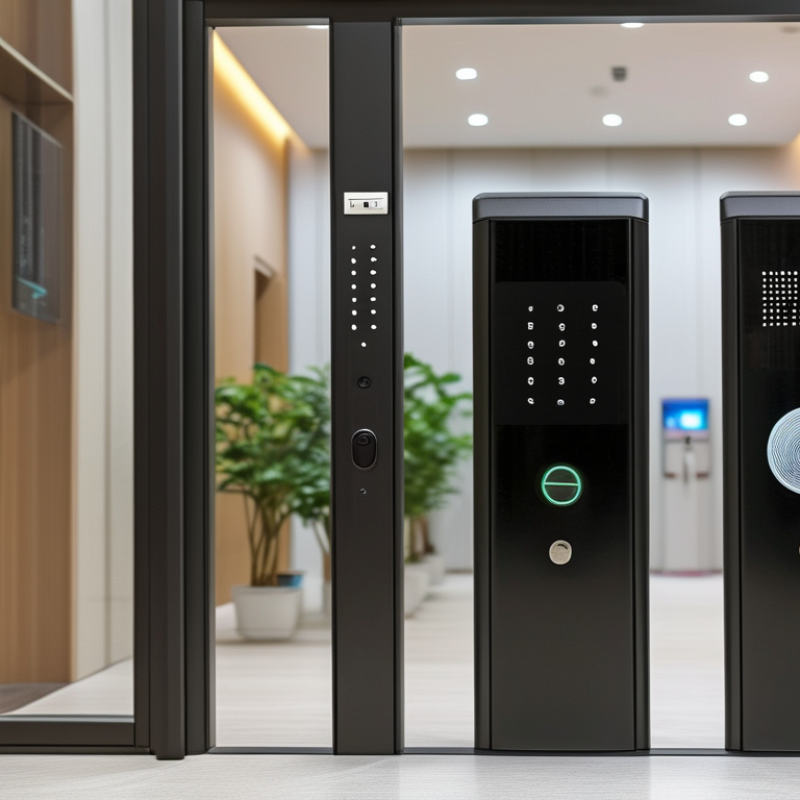
China Best Door Automation Trends What Buyers Need to Know?

What Door Automation Means in China’s Modern Building Market

China’s modern building market is turning door automation into an operating decision, not a decorative upgrade. The National Bureau of Statistics reported 296.97 million Chinese residents aged 60 or above in 2023. They represented 21.1% of the population. Wider entrances, smoother opening speeds, and reliable emergency release now support daily independence.

Touchless entry is also practical in hospitals, offices, transport hubs, and residential towers. A clean sensor response matters when someone carries groceries or pushes a wheelchair. China’s urbanization rate reached 66.16% in 2023, increasing demand for high-traffic public facilities. The China Building Energy Consumption Annual Report identifies building operation as a major energy-use area. Buyers should therefore compare standby power, motor efficiency, and maintenance access, not only purchase price.

Retrofit work reveals the difficult part. Old floors, narrow wiring paths, and unstable power can reduce sensor accuracy. A door may pass a showroom test and still fail during winter dust or crowded evenings. This assumption can fail. Installation records, safety testing, and response-time checks deserve more attention. Automatic doors should also connect with fire systems and accessible routes under applicable Chinese standards. In my experience, simple controls are often more reliable than complicated features. The market is improving, but service quality remains uneven. A three-year maintenance plan may protect performance better than a cheaper initial quotation.

China Best Door Automation Trends: What Buyers Need to Know

What Door Automation Means in China’s Modern Building Market

Market context: China’s urbanization rate increased from 60.60% in 2019 to 67.00% in 2024. The expanding urban building stock supports continued demand for automated entrances in offices, retail properties, hospitals, transport facilities, and residential developments.

What buyers should evaluate: prioritize energy efficiency, accessibility, safety sensors, low-noise operation, serviceability, and compatibility with building access-control systems. Project specifications should also consider climate conditions, traffic frequency, emergency egress requirements, and local installation support.

Source: National Bureau of Statistics of China, annual urbanization rate based on the permanent resident population, 2019–2024.

Key Door Automation Technologies and Their Main Applications

China Best Door Automation Trends: What Buyers Need to Know?

Key door automation technologies now serve offices, hospitals, hotels, warehouses, and apartment buildings. Sliding doors suit busy entrances where smooth, hands-free movement matters. Swing-door operators work well in corridors, clinics, and accessible restrooms. Revolving doors can reduce air exchange in commercial buildings, but they need careful space planning.

Motion sensors detect approaching users, while safety sensors monitor the doorway edge and closing area. Access-control systems can connect doors with cards, mobile credentials, or biometric devices. Buyers should check whether the system supports emergency release, manual operation, and local safety requirements. Small details matter. A poorly positioned sensor may trigger unnecessary opening or miss a slow-moving visitor.

Energy management is becoming more practical. Low-energy operators reduce force and speed, helping protect children, older adults, and people with limited mobility. Connected controllers can record faults and maintenance needs through a building network. This can reduce unexpected downtime, although network dependence creates another point of failure. Not always convenient. Installers should test doors during rain, strong sunlight, power loss, and heavy traffic. A quiet door is not automatically a reliable door. Clear maintenance access, replaceable components, and trained service support often matter more than impressive specifications.

How to Evaluate Chinese Door Automation Suppliers and Products

Evaluating Chinese door automation suppliers requires more than comparing online prices. Start with the factory’s actual production experience. Ask how long it has supplied similar systems and request installation photos, test records, and customer references. A reliable supplier should explain motor capacity, control logic, safety sensors, and expected service life in clear language.

Check whether the product matches your building, traffic level, and climate. A sliding door for a quiet office may fail in a busy station. Request a complete specification sheet, wiring diagram, maintenance schedule, and sample unit. Confirm testing for obstacle detection, repeated operation, emergency release, noise, and power failure. Independent inspection can reveal details that polished sales material hides.

Do not judge quality by certificates alone. Verify the issuing body, product scope, and test date. Discuss spare parts, technician training, response times, packaging, and warranty limits before signing. A supplier should support remote troubleshooting and provide readable manuals. Total cost matters more than the first quotation.

My checklist is not flawless. Factory visits can also create false confidence. One overlooked issue is local installer skill. Ask for a pilot installation under real traffic conditions, then record faults for several weeks. Small delays, weak sensors, or confusing software may appear only after daily use. Clear communication is a product feature too.

China Best Door Automation Trends: What Buyers Need to Know

How to Evaluate Chinese Door Automation Suppliers and Products

Evaluation Dimension Current Market Trend Practical Buyer Benchmark Supplier and Product Evidence to Request Why It Matters
Door Type and Application Automatic sliding, swing, revolving, telescopic and low-energy doors are commonly specified for commercial, healthcare, hospitality, transport and industrial projects. Match the operator to traffic volume, door leaf weight, opening width, weather exposure and accessibility requirements rather than selecting by price alone. Application drawings, door-leaf weight limits, opening-width range, duty-cycle rating and a completed site-condition checklist. An operator designed for a light interior door may not be suitable for a heavy exterior entrance or high-traffic facility.
Safety Compliance Safety sensors, monitored protective devices, obstacle detection and controlled closing are becoming essential procurement requirements. For pedestrian doors, request documented conformity with the regulations and standards applicable in the destination market, such as EN 16005 or ANSI/BHMA A156.10 where relevant. Declaration of conformity, test reports, risk assessment, sensor layout, safety-function description and installation instructions. Safety performance depends on the complete door system, including sensors, control logic, installation and commissioning.
Access Control Integration Buyers increasingly expect compatibility with card readers, keypads, intercoms, exit buttons, fire-alarm interfaces and building-management systems. Confirm dry-contact or approved communication interfaces, input/output logic, emergency release behavior and compatibility with the access-control system. Wiring diagram, terminal definition, interface protocol, input/output voltage limits and integration test procedure. Clear interfaces reduce integration delays and help prevent unsafe behavior during fire alarms or power failures.
Energy Efficiency Low-energy operation, adjustable opening speed, standby power reduction and better sealing are receiving more attention in commercial projects. Compare standby power, operating power, opening and closing speeds, hold-open time and energy-management settings under the same test conditions. Power-consumption data, operating parameters, test conditions and documentation for energy-saving modes. Energy performance is affected by traffic, door geometry, air pressure, climate and control settings; headline wattage alone is not enough.
Accessibility Barrier-free entrances commonly use automatic operators, safety sensors, accessible activation devices and sufficient clear opening width. Verify the requirements of the project jurisdiction for clear opening, activation force, opening time, closing behavior, thresholds and emergency access. Dimensioned drawings, activation-distance data, force measurements and accessibility compliance documentation for the target market. A compliant operator can still produce a non-compliant entrance if the door, threshold, controls or surrounding space are unsuitable.
Reliability and Duty Cycle Suppliers are increasingly differentiating products by tested cycles, motor durability, controller stability and serviceable modular design. Specify expected daily cycles and require a tested cycle rating appropriate to the site. Do not treat an unverified “high durability” statement as a test result. Cycle-test method, test conditions, maintenance intervals, motor and gearbox specifications, failure-rate data if available, and warranty terms. Traffic volume and maintenance quality strongly influence service life; the lowest initial price may create higher lifecycle cost.
Weather and Ingress Protection Exterior door automation increasingly requires protection against dust, rain, humidity, temperature variation and coastal corrosion. Use an enclosure rating appropriate to the installation environment. IP ratings should be checked against the actual component and mounting location, not only the product family. IP-test report, operating-temperature range, humidity limits, corrosion-treatment details and outdoor installation instructions. Water exposure, condensation and salt air can damage electronics and mechanical parts even when the operator is otherwise correctly sized.
Power-Failure Behavior Battery backup, manual override, fail-safe release and fail-secure configurations are being specified according to building risk and evacuation needs. Define the required door state during mains failure, fire alarm, emergency release and depleted-battery conditions before placing the order. Battery capacity, backup duration under stated load, emergency-mode sequence, manual-release instructions and fire-alarm interface details. Power-failure behavior must align with local fire, life-safety and security requirements; there is no single configuration suitable for every building.
Cybersecurity and Connectivity Connected controllers and remote diagnostics are becoming more common, especially in multi-site commercial buildings. Prefer documented access permissions, update procedures, password policies, network requirements and a clear policy for remote support. Communication architecture, cybersecurity statement, firmware-update process, data-handling policy and account-management procedure. Connected equipment can create operational and cybersecurity risks if access control, updates and remote maintenance are not clearly managed.
Testing and Certification Professional buyers are placing greater emphasis on independent testing and traceable technical documentation. Check that certificates identify the exact model, electrical rating, test standard, issuing laboratory, validity period and applicable market. Certificate copies, laboratory accreditation details, model-number consistency, electrical-safety reports and electromagnetic-compatibility test reports. A generic certificate or document for a different model does not prove compliance of the product being purchased.
Manufacturing Quality Control More suppliers are introducing incoming inspection, assembly checks, end-of-line testing and serial-number traceability. Require documented inspection points for motors, controllers, sensors, wiring, fasteners, operating force and final functional testing. Quality-control plan, sample inspection report, serial-number system, non-conformance process and pre-shipment inspection procedure. Consistent production controls reduce variation between samples, production batches and replacement parts.
Spare Parts and Service Buyers are moving from purchase-price comparisons toward lifecycle support, repairability and spare-parts availability. Obtain a parts list, recommended spare stock, lead times, troubleshooting guide, training plan and written warranty exclusions. Parts catalogue, service manual, warranty policy, response-time commitment and local or regional service arrangements. Downtime costs can exceed the original equipment price, particularly in hospitals, airports, retail sites and other high-traffic buildings.
Customization and Lead Time Suppliers commonly offer customized finishes, mounting arrangements, control interfaces, voltage options and door dimensions. Separate standard products from engineered modifications and obtain written confirmation of any effect on certification, price and delivery date. Approved technical drawing, bill of materials, change-control record, production schedule and pre-shipment sample approval. Uncontrolled customization can alter safety performance, compatibility, replacement-part availability or certification status.
Total Cost of Ownership Procurement decisions increasingly include installation, commissioning, energy use, maintenance, spare parts and downtime. Compare the total cost over the planned service period instead of comparing operator prices only. Itemized quotation covering equipment, accessories, shipping, installation, commissioning, training, maintenance and replacement parts. A transparent cost model makes apparently low-cost offers easier to compare fairly with technically complete proposals.
Supplier Verification Buyers are using factory audits, sample testing, reference projects and production-capacity checks to reduce sourcing risk. Verify legal business information, manufacturing capability, quality systems, export experience and whether the supplier is a manufacturer or trading intermediary. Factory audit report, production-line photographs or video, sample purchase, reference-project evidence, organizational details and export documentation. Supplier capability affects product consistency, engineering support, change control and long-term availability of parts.
Commercial Contract Terms More structured buyers are defining acceptance criteria, inspection rights, documentation requirements and remedies for non-conformity. Include exact model numbers, approved specifications, testing requirements, packaging standards, warranty period, delivery terms and payment milestones. Signed technical specification, inspection and acceptance plan, packing list, shipping documents and warranty-service process. Clear contract terms reduce disputes when delivered products differ from samples, drawings or quoted performance.
Buyer note: Standards, building regulations and accessibility requirements vary by destination market and application. Confirm the latest locally applicable requirements with a qualified engineer, certification body or authority before final approval.

Safety Standards, Smart Features, and System Integration Considerations

In China’s fast-moving door automation market, buyers should treat safety as a system, not a feature list. In site reviews, we check closing speed, obstacle detection, emergency release, and sensor coverage. A door must stop or reverse when a person enters its path. Test it with different walking speeds and wheelchair approaches. Small details matter. Compliance should match current GB standards, fire requirements, accessibility rules, and local inspections. Ask for test records, installation drawings, and documented commissioning.

Smart features can improve control, but they also create new risks. Presence sensors should distinguish a person from a moving trolley or strong sunlight. Access logs, remote alerts, and usage reports need clear permission settings. Who can view the data? How long is it stored? Convenience is not enough. Battery backup and manual operation remain important during power failures. Some systems look intelligent but perform poorly after a network interruption. That weakness deserves honest testing.

Integration is often harder than selecting the door itself. Before purchase, map connections with access control, fire alarms, elevators, and building management systems. Confirm communication protocols, response priorities, and fault signals. The controller should show whether a sensor, motor, or network link has failed. Use clear interface documents and responsibility boundaries between contractors. Watch for hidden gaps. A technically elegant design may still fail during handover if no one owns final testing. Leave room for maintenance access, replacement parts, and future software changes.

Costs, Maintenance Needs, and Buying Decisions for Different Projects

China’s door automation market is moving toward quieter motors, sensor-based safety, and simpler access control. For buyers, the real question is not the newest feature. It is fit. An automatic sliding door for a busy hospital usually costs more than a small office entrance. Budget for the operator, sensors, glass or framing changes, wiring, installation, and commissioning. A basic commercial opening may start near USD 1,500, while heavy-duty systems can exceed USD 5,000. Treat these figures as planning ranges, not promises. Site conditions change the invoice.

Maintenance is often underestimated. Busy retail doors may need monthly inspections, including rollers, belts, sensors, hinges, and emergency release functions. An office with lighter traffic may manage quarterly checks. Keep a service log with opening cycles, faults, and replaced parts. Small alignment problems become expensive when ignored. That lesson is easy to overlook.

For a home project, quiet operation and simple controls may matter more than speed. For a hotel, appearance, traffic capacity, and fast technician response deserve greater weight. Factories need dust tolerance, stronger hardware, and clear safety testing. Ask suppliers for cycle ratings, sensor test records, spare-parts availability, and written warranty limits. Verify the installer’s training and request a site-specific quotation. A low quote may hide weak framing or limited after-sales support. I would compare total ownership cost over five years, not only purchase price. Even careful estimates can miss structural work. Leave contingency money.

FAQS

: How should buyers evaluate a Chinese door automation supplier?

: Check production experience, similar projects, installation photos, test records, and customer references. Ask for clear explanations of motor capacity, safety sensors, control logic, and service life. A factory visit helps. It can also mislead.

What documents should a supplier provide?

Request a complete specification sheet, wiring diagram, maintenance schedule, installation drawings, and readable manuals. Also ask for commissioning records and sensor test results. Do not rely on sales brochures alone.

How can buyers test door safety?

Test obstacle detection, closing speed, emergency release, and sensor coverage. Use different walking speeds and wheelchair approaches. The door should stop or reverse when someone enters its path. Test it repeatedly.

Which standards and inspections should buyers confirm?

Confirm applicable Chinese safety standards, fire requirements, accessibility rules, and local inspection needs. Verify each certificate’s issuing body, product scope, and test date. Certificates alone are not enough.

Are smart door features always reliable?

Smart functions can provide access logs, remote alerts, and usage reports. They also create privacy and network risks. Ask who can view data and how long it remains stored. Test performance after network interruption.

How should the door integrate with other building systems?

Map connections with access control, fire alarms, elevators, and building management systems. Confirm communication protocols, fault signals, and response priorities. The controller should identify sensor, motor, and network failures. Responsibility gaps cause trouble.

What costs should buyers include in the budget?

Include the operator, sensors, glass or framing changes, wiring, installation, and commissioning. A basic commercial opening may cost around USD 1,500. Heavy-duty systems may exceed USD 5,000. These are planning ranges, not promises.

How often should an automated door receive maintenance?

Busy retail doors may need monthly inspections. Lighter-use offices may need quarterly checks. Inspect rollers, belts, sensors, hinges, and emergency release functions. Keep records of cycles, faults, and replaced parts. Small alignment problems become expensive.

How should buyers choose systems for different projects?

Homes may prioritize quiet operation and simple controls. Hotels may need appearance, high traffic capacity, and quick technician support. Factories often need dust tolerance, stronger hardware, and documented safety testing. Compare five-year ownership costs. Leave contingency money.

Conclusion

China’s door automation market is evolving as modern buildings demand safer, more accessible, energy-efficient, and convenient entrances. The latest solutions include automatic sliding, swinging, revolving, and telescopic doors, as well as sensor-based access systems, smart locks, and integrated entrance controls. When asking “what are the latest trends in door automation,” buyers should consider touchless operation, mobile or biometric access, remote monitoring, energy-saving control, and compatibility with building management and security systems.

Choosing a Chinese supplier requires careful evaluation of product quality, technical support, customization capability, certifications, warranty terms, and delivery reliability. Safety standards, emergency release functions, obstacle detection, and stable performance should be priorities, especially for hospitals, offices, hotels, retail spaces, transportation facilities, and residential projects. Buyers should also compare total ownership costs, including installation, maintenance, spare parts, software updates, and long-term service. The best purchasing decision depends on traffic volume, building type, security requirements, budget, and future expansion plans.

Charlotte

Charlotte

Charlotte is a seasoned marketing professional with a deep understanding of the company's portfolio and a passion for elevating its presence in the market. With a keen eye for detail and a commitment to excellence, she ensures that our professional blog is regularly updated with insightful articles......