When considering "what is the difference between residential and commercial doors," understanding the distinctions is crucial for property owners and builders alike. According to the Door & Access Systems Manufacturers Association (DASMA), around 35% of security issues in commercial properties stem from inadequate door systems. This statistic highlights the importance of choosing the right door for the right purpose.
Industry expert Mark Thompson, a leading architect in commercial design, emphasizes, "The choice of door can significantly affect not just security but also functionality." Residential doors typically prioritize aesthetics and insulation, while commercial doors need to focus on durability and security. Commercial doors often feature reinforced materials and robust locking mechanisms. In contrast, residential doors might rely more on appearance and design trends.
There’s a lot to reflect on when choosing doors. An understanding of materials, safety features, and usability will guide decisions. Homeowners and businesses must recognize their unique needs. This is not just about selection but also about practical application. Making informed choices ensures safety and efficiency in either residential or commercial settings.
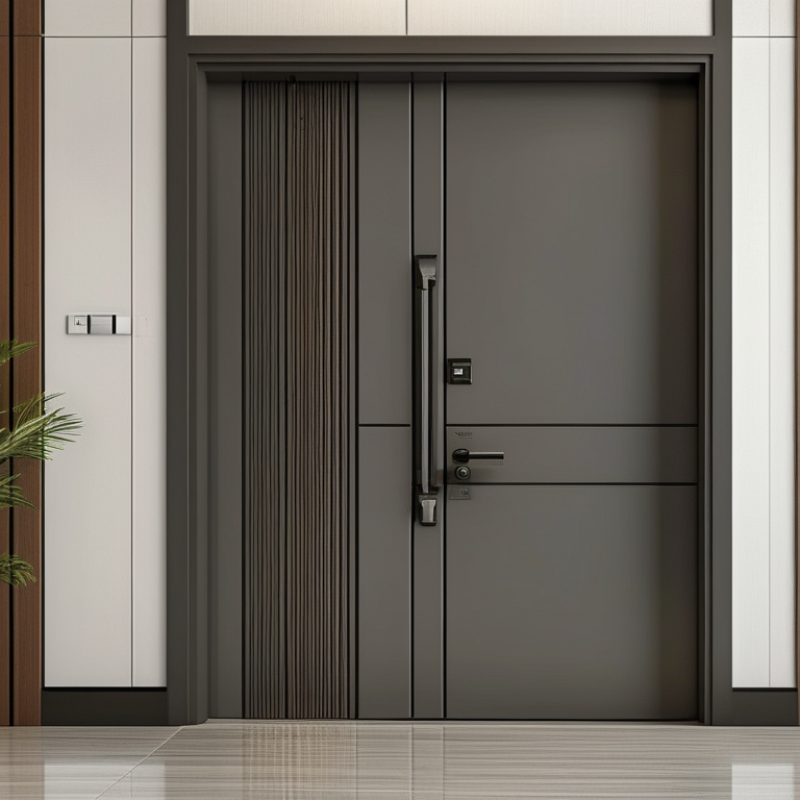
Understanding the Basic Definitions of Residential and Commercial Doors
When discussing residential and commercial doors, it's essential to understand their distinct definitions. Residential doors are primarily designed for homes. They emphasize aesthetics and security. These doors often come in various styles, including traditional and modern. Their materials can vary, often featuring wood or fiberglass. Homeowners typically choose doors that enhance their home's curb appeal.
In contrast, commercial doors have different requirements. These doors are built for higher traffic and increased durability. They often use steel or reinforced materials to withstand daily use. A commercial door may include features such as automatic openers or heightened security systems. These doors must comply with specific building codes and safety regulations. Facilities managers and architects consider functionality and safety while selecting these doors.
Understanding these differences helps in making informed choices. Selecting the right door impacts security, aesthetics, and functionality. For homeowners, making a choice can be daunting. Balancing style with security needs is always a challenge. Commercial settings also face their dilemmas, often prioritizing durability over design.
Key Features of Residential Doors: A Detailed Overview
Residential doors play a vital role in home security and aesthetics. They are specifically designed for domestic use, ensuring safety and style blend seamlessly. According to the American Architectural Manufacturers Association, around 14% of break-ins occur through doors. Therefore, having robust, reliable residential doors is essential. These doors typically feature solid construction with insulation, which enhances energy efficiency. Many options are available, including wood, fiberglass, and steel.
A critical aspect of residential doors is their design flexibility. Homeowners can choose from various styles, colors, and finishes. This personalization enhances curb appeal and can increase property value. The National Association of Home Builders highlights that updated doors can improve a home's resale value by up to 70%.
Despite the advantages, not all residential doors are created equal. Some may compromise security for aesthetics. Homeowners often prioritize looks over strength, leading to vulnerabilities. It’s essential to find a balance. Investing in quality locks and solid materials can help mitigate these risks. Ultimately, understanding the features and implications of a residential door is crucial for safe and attractive home design.
Differences Between Residential and Commercial Doors
This chart compares key features between residential and commercial doors, illustrating how they differ in material quality, security levels, insulation efficiency, aesthetic options, and overall durability. Residential doors tend to prioritize aesthetics and cost-effectiveness, while commercial doors focus more on security and durability.
Characteristics of Commercial Doors: What Sets Them Apart
When discussing commercial doors, distinct characteristics emerge that set them apart from residential options. Commercial doors prioritize durability and security. They are commonly made from heavy-duty materials like steel or reinforced fiberglass. This ensures they withstand frequent use and potential tampering. Unlike residential doors, commercial variants often feature glass panels to allow visibility, enhancing safety and accessibility.
Many commercial doors offer specialized functionalities. Some come with automatic closing mechanisms or access control features, catering to high-traffic environments. These elements play a crucial role in maintaining safety standards. Additionally, the width of commercial doors typically accommodates larger equipment and crowds. Such design considerations prioritize functionality in busy settings.
It's vital to assess your needs when choosing a door. Understanding the purpose of the door will guide your selection. Consider the material based on location and traffic. Energy efficiency can also play a role—look for options that enhance insulation. Regular maintenance is equally important; this ensures longevity and operational efficiency. Keep in mind that choosing the right commercial door can affect business flow and safety.
Differences Between Residential and Commercial Doors Explained
| Characteristic |
Residential Doors |
Commercial Doors |
| Material |
Wood, Fiberglass, Steel |
Steel, Aluminum, Glass |
| Security Features |
Standard locks, Hinged designs |
High-security locks, Reinforced frames |
| Durability |
Moderate to High |
High to Very High |
| Design Options |
Variety of styles, customizable |
Functional design, limited customization |
| Cost |
$500 - $2000 |
$1000 - $5000+ |
| Installation Type |
Do-it-yourself, Basic installation |
Professional installation, Heavy-duty systems |
Material Differences: Residential vs. Commercial Door Construction
When it comes to door construction, residential and commercial doors are fundamentally different. Residential doors are typically made from materials like wood or fiberglass, providing aesthetic appeal and basic security. In contrast, commercial doors often utilize sturdier materials such as steel or reinforced aluminum. A report from the National Association of Home Builders indicates that residential wooden doors represent approximately 65% of the market. These doors are lightweight and can be easily customized, but they may not withstand heavy use.
Commercial doors must endure significant traffic and environmental wear. A study by the American Institute of Steel Construction shows that steel doors can last up to 30 years with proper maintenance. They are designed for durability and security, often featuring reinforced frames and better insulation. Commercial buildings may require doors that meet specific fire safety codes, which can dictate material choices. This necessity leads to a greater emphasis on performance and safety standards in commercial door construction.
Despite these differences, there is room for improvement in both sectors. Many residential doors lack sufficient weather stripping, leading to energy loss. Conversely, some commercial installations may overlook aesthetic aspects, making them overly utilitarian. Balancing durability with design can be a challenge. Understanding these material differences is essential for selecting the right door for your needs.
Common Usage Scenarios for Residential and Commercial Doors
When it comes to residential and commercial doors, their usage scenarios greatly differ. Residential doors are typically found in homes, offering security and aesthetic appeal. They usually feature designs that complement the home's architecture. A standard front door may be made from wood or fiberglass. It serves not just as an entry point but also as a statement piece for the homeowner.
In contrast, commercial doors are engineered for functionality and durability. These doors often withstand high traffic volumes and are built to last. Heavy-duty materials like aluminum or steel are common. They usually have features such as panic bars or automatic openers, which are practical for businesses. For instance, a storefront might require wide doors to accommodate customers with carts. A hospital may need specialized doors for sanitation and easy access for medical staff.
Different environments demand different door features. Homeowners often lean towards aesthetic choices that reflect personal style. Business owners, however, prioritize security and efficiency. This reflects a broader need for safety standards in commercial settings. Each type must meet specific requirements based on its intended use. As these needs evolve, so too must the design and functionality of both residential and commercial doors.
FAQS
: Residential doors are primarily designed for homes, focusing on aesthetics and security.
Residential doors often feature wood or fiberglass, providing aesthetic appeal and basic security.
Commercial doors are built from sturdier materials like steel or reinforced aluminum for durability.
Commercial doors may include automatic openers and heightened security systems for functionality.
Knowing the differences helps in making informed choices about security, aesthetics, and functionality.
Homeowners often struggle to balance style with security needs in their door choices.
Steel doors can last up to 30 years with proper maintenance and care.
Many residential doors may lack sufficient weather stripping, leading to energy loss.
Commercial settings often prioritize durability, which can lead to overly utilitarian designs.
Both residential and commercial doors sometimes overlook essential aspects like aesthetics and energy efficiency.
Conclusion
In the exploration of what is the difference between residential and commercial doors, it's crucial to understand their basic definitions. Residential doors are typically designed for homes and focus on aesthetics and insulation, while commercial doors cater to businesses and prioritize durability and security. Key features of residential doors include decorative elements and energy efficiency, which contrast with the robust construction and functionality of commercial doors, tailored for high-traffic environments.
Material differences play a significant role in distinguishing these door types, as residential doors often utilize wood or fiberglass, whereas commercial options frequently employ metal or reinforced materials for enhanced safety. Additionally, common usage scenarios highlight that residential doors serve mainly private living spaces, while commercial doors are essential in public and industrial settings, reinforcing the distinct purposes each serves in our daily lives.

 Gerald Doors