Engineered high-durability systems certified for commercial, industrial, and safety-critical cold chain infrastructure.
Dongguan Gerald Doors Co., Ltd. stands at the forefront as a premier, high-capacity China garage door manufacturer and heavy-duty steel access systems OEM/ODM supplier. We focus on engineering high-integrity, automated entry, and structural envelope solutions designed specifically for heavy-duty industrial warehouses, micro-fulfillment centers, hazardous zone operations, and modern residential developments.
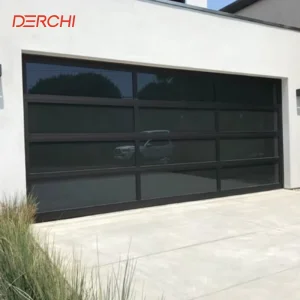
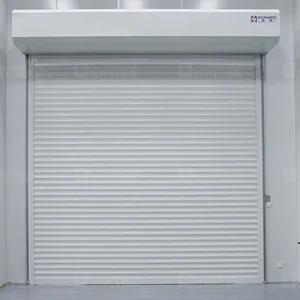
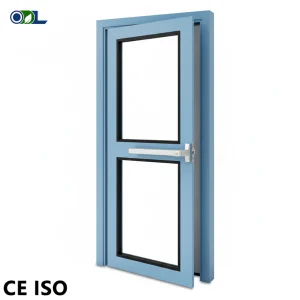
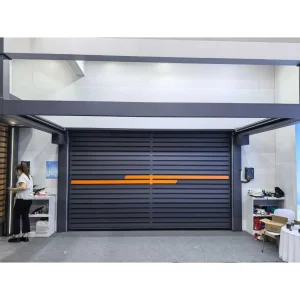
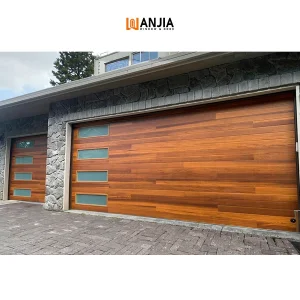
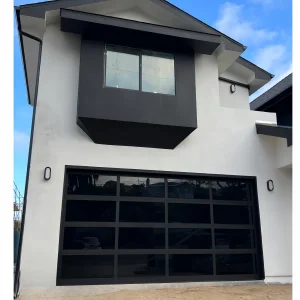
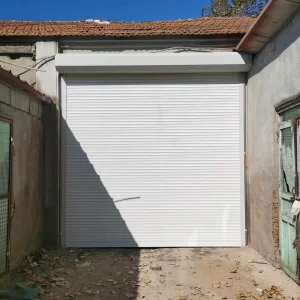
With our manufacturing complex based in China, we leverage advanced machinery, precision fabrication, and strict quality control protocols. Our product portfolio spans residential insulated sectional doors, fire-rated exits, acoustic assemblies, high-speed roll-up doors, turnstiles, and hydraulic loading dock systems.
By designing products configured to withstand extreme environmental loads and high cycle demands, our engineering department ensures every installation operates flawlessly under stress, contributing directly to optimized building envelope performance.
Exploring structural demand profiles across hyper-automated logistics, hazardous processing, and high-frequency commercial hubs.
The global industrial sector is undergoing a rapid transition toward automation, high throughput, and strict regulatory compliance. As logistics hubs scale upward and smart factories operate around the clock, access solutions are no longer passive boundaries. They are highly integrated, structural, and electrical points of regulation. Modern high-capacity warehouses require physical steel closures that manage airflow, prevent heat loss (especially within cold chain supply networks), and block unauthorized access, while remaining compatible with automated guided vehicle (AGV) dispatch software.
In high-density industrial zones across North America, Europe, and the Middle East, structural guidelines for building envelopes are tightening. High-velocity hurricane zones (HVHZ), like Florida's Miami-Dade county, require sectional overhead doors to meet strict wind-load certifications. Similarly, European directives demand structural closures to comply with the EN 13241-1 standard, prioritizing mechanical safety, structural integrity, and thermal performance.
From a microeconomic perspective, facility operators are focused on lowering total cost of ownership (TCO). Standard hollow metal structures are giving way to high-performance, double-skinned insulated steel sandwiches filled with high-density polyurethane foam. These systems minimize structural deflection and lower heating/cooling energy expenses. Through precision OEM and ODM practices, factories like Gerald Doors produce tailored access doors that align exactly with the regional code requirements of global infrastructure networks.
Technological shifts rewriting standard operational profiles for heavy commercial and industrial doors.
Modern commercial doors now feature programmable logic controllers (PLCs) and integrated sensors. These modules feed status data directly into ERP systems or warehouse management systems (WMS). Real-time telemetry predicts structural fatigue and automates dispatch schedules.
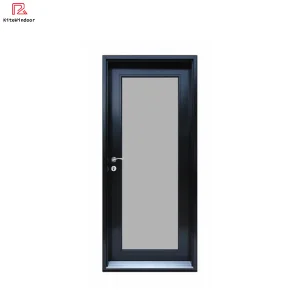
As mixed-use developments and manufacturing complexes expand close to urban zones, building regulations mandate strict fire-containment and noise-mitigation standards. Exit routes must hold a certified 2-hour plus UL-listed rating alongside structural decibel reduction.
Thermal bridging along large industrial entranceways accounts for up to 35% of facility energy loss. Modern access systems use high-speed roll-up cycles paired with deep thermal-break profiles to control environmental transfers in pharmaceutical and cold-chain facilities.
Discover how specialized access systems solve complex operational challenges across diverse industries.
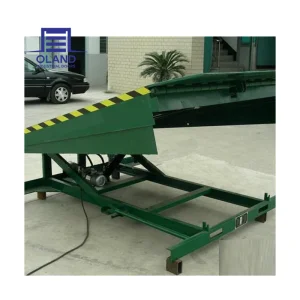
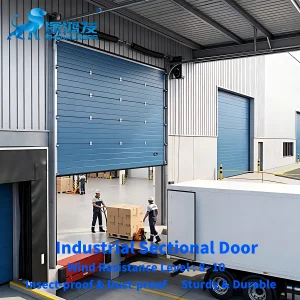
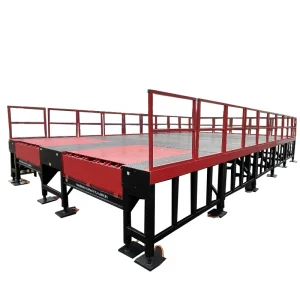
High-throughput freight terminals require highly integrated loading systems to protect personnel and speed up load cycles. By pairing high-strength structural sectional doors with heavy-duty hydraulic dock levelers, facilities can handle dynamic axle loads of up to 15 tons. Adding pneumatic door seals keeps out rain, insects, and draft air, stabilizing internal ambient conditions.
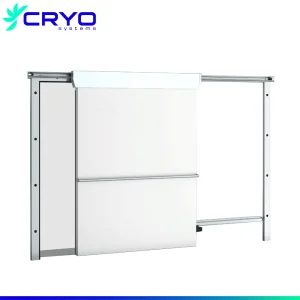
For temperatures reaching -30°C, access systems must prevent moisture ingress and frost buildup. Walk-in freezers use polyurethane insulation panels covered in heavy-gauge steel, paired with heating cables along the frame. These elements prevent the gasket from freezing to the contact face, keeping the entry safe, operational, and energy-efficient.
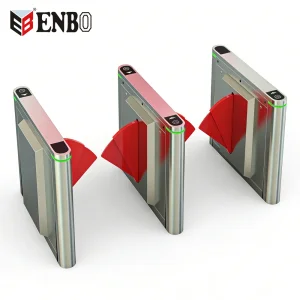
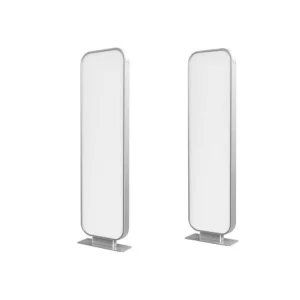
Critical infrastructure demands robust physical barriers that integrate with digital security systems. Speed gates and turnstiles with facial recognition and long-range UHF RFID antennas control access without slowing down authorized personnel. The structural steel core resists forced entry attempts, ensuring reliable perimeter protection.
Dongguan Gerald Doors Co., Ltd. continuously refines our engineering designs. Our focus centers on increasing structural strength-to-weight ratios. Our development path highlights two main engineering advancements:
Advanced Coating Systems: Standard zinc coatings can fail in coastal marine settings or corrosive chemical plants. To combat this, we use premium zinc-aluminum-magnesium coatings. These layers provide up to four times the corrosion resistance of standard hot-dip galvanizing, preventing rust and preserving structural integrity.
Advanced Thermal Break Structures: We break thermal pathways within panel assemblies by inserting low-conductivity structural polyamide profile strips. This design prevents thermal bridging between interior and exterior skins, stopping condensation and keeping indoor temperatures stable.
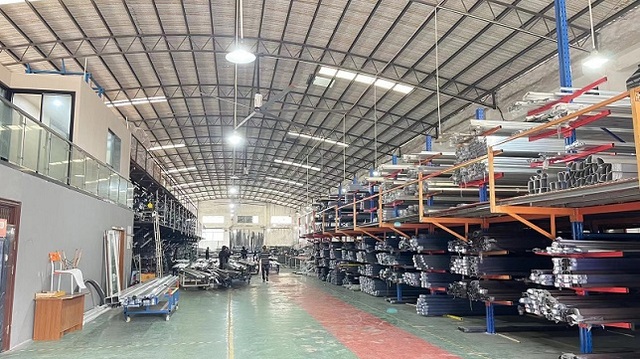
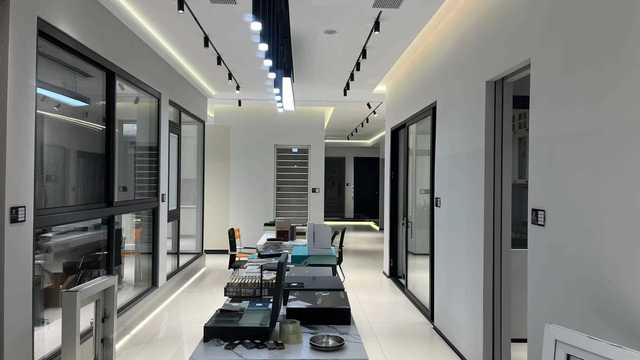
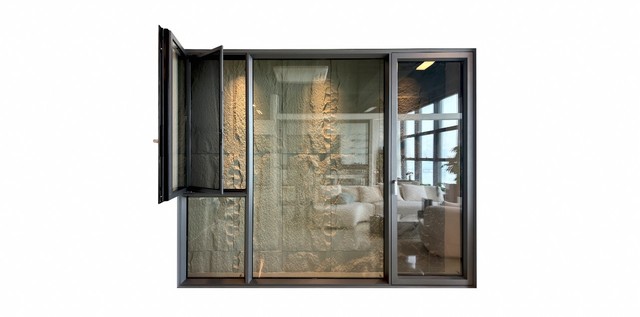
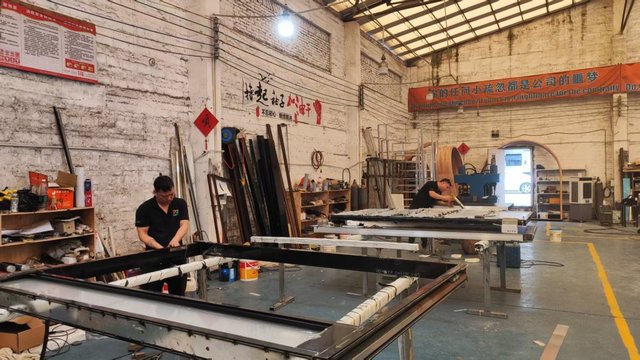
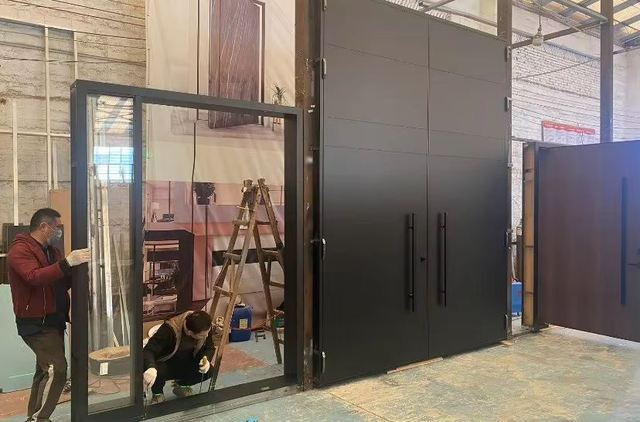
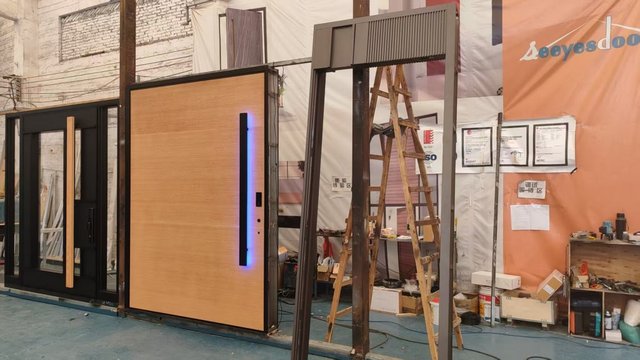
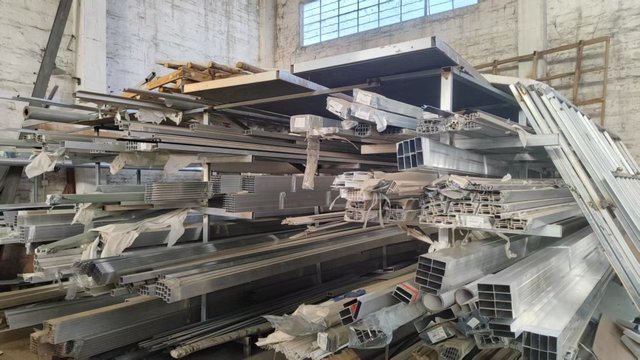
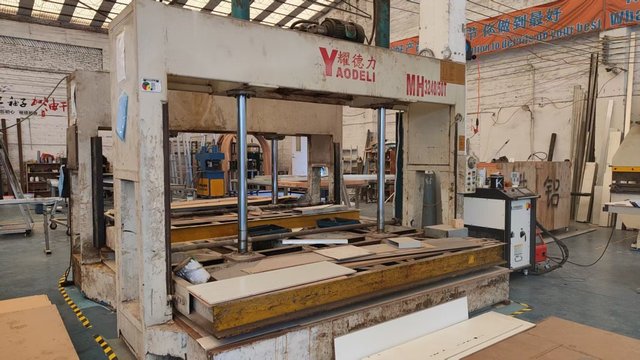
Take a look inside our high-tech facility, where automated roll-forming, polyurethane injection, and structural stress testing come together.
Get answers to the most common structural, mechanical, and import questions about industrial doors.
Explore our customizable glass facades, warehouse control channels, and insulated security barriers.
 Gerald Doors