Choosing the right garage door for your home is a crucial decision. It's more than just an aesthetic choice; it affects your home's functionality and security. Many homeowners struggle with how to choose the right garage door for a home. With various styles, materials, and features available, the options can be overwhelming. Understanding what suits your needs is vital.
Consider your home's architecture. A door that complements the overall design enhances curb appeal. Think about insulation as well. An insulated door can save energy and keep your garage comfortable year-round. However, it's essential to balance these features with your budget. Sometimes, a less expensive option may offer more value than luxury features you don’t need.
Reflect on your lifestyle as well. Do you need extra security? Do you use your garage for hobbies or as a workspace? Your answers will guide your choice. Ultimately, the goal is to find a door that matches your style and meets your practical needs. A careful evaluation will help you avoid common pitfalls in selecting a garage door.
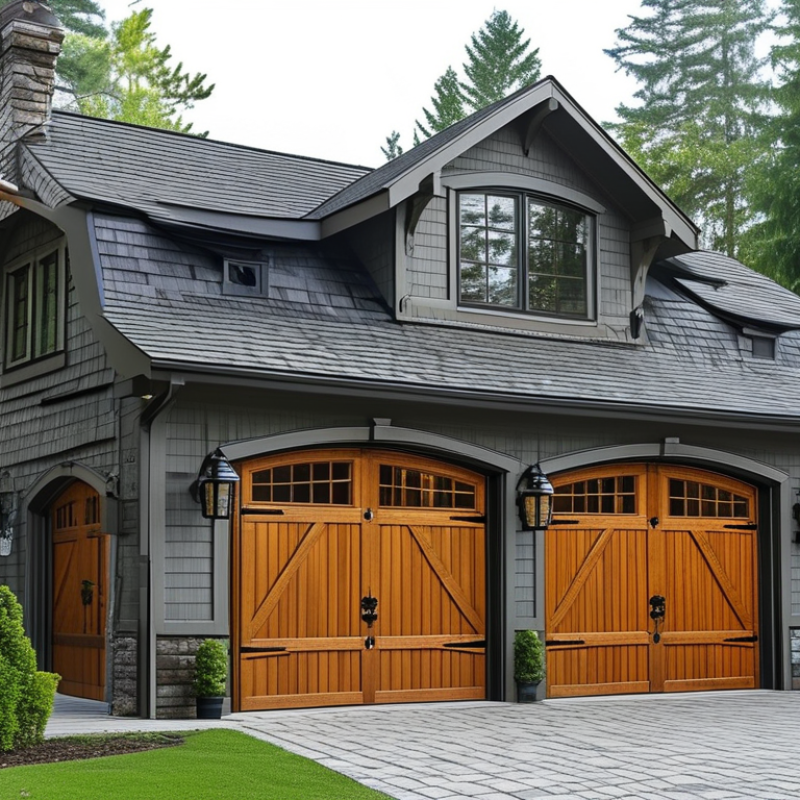
Choosing the right garage door involves several important factors. One of the first aspects to consider is material. Steel, wood, and fiberglass each bring unique benefits. Steel is durable and low-maintenance, while wood offers a classic, appealing look. Fiberglass can mimic wood without the heavy upkeep.
Another key consideration is insulation. An insulated garage door can help regulate your home’s temperature and save energy. This is crucial if your garage is attached to your living space. Also, think about style and design. Look for options that match your home's architecture.
Security features are essential. Ensure your door has robust locks and a locking mechanism. This can deter intruders. Lastly, don't overlook the color and finish. A well-chosen garage door enhances curb appeal. It should fit seamlessly with your home's color scheme. Reflecting on these details will guide you in making a thoughtful decision.
When selecting a garage door, it's essential to understand the various styles and materials available. Steel doors are popular for their durability. They can resist dents and rust, providing long-lasting security for your home. They come in various designs, from sleek modern finishes to traditional paneled looks. Many homeowners appreciate the low maintenance required with steel options.
Wood doors offer warmth and aesthetic appeal. They can be customized to fit any home style. However, wooden doors require regular treatment to prevent warping or damage from moisture. Choosing the right wood is crucial. Consider factors like local climate and exposure to elements. These choices impact longevity and maintenance.
Vinyl doors are another option, known for their resistance to fading and cracking. They are lightweight and require minimal upkeep. However, not all vinyl doors are created equal. Stick to trusted sources to avoid quality issues. Each type has its unique advantages and challenges. Taking time to reflect on your needs can lead to a better choice.
| Garage Door Style | Material | Insulation | Lift Type | Average Cost ($) |
|---|---|---|---|---|
| Traditional | Steel | Yes | Sectional | 800 - 1200 |
| Carriage House | Wood | No | Swing Out | 1200 - 2500 |
| Contemporary | Aluminum | Yes | Sectional | 1500 - 3000 |
| Vinyl | Vinyl | Yes | Sectional | 1000 - 2000 |
| Roll-Up | Steel | No | Roll-Up | 700 - 1500 |
Measuring your garage for a new door is crucial. Start by clearing the area. Remove any obstructions inside and outside the garage. Dust, tools, or old equipment can hinder an accurate measurement. Use a tape measure, as precision matters.
Measure the width of your garage door opening. Take note of height as well. It’s a good idea to measure at least twice. Slight discrepancies can lead to big issues later. Keep in mind that different door styles require various clearances. Factor in the headroom above the door too.
Consider the garage’s structure. Is the floor level? An uneven surface can complicate installation. You might face challenges with door operations if it's not flat. It’s wise to take a step back and view the condition of your garage. Small details can have an impact on your choice. Lack of attention now may lead to regret later.
Selecting the right garage door goes beyond aesthetics. It involves understanding energy efficiency and insulation. A well-insulated garage door can significantly reduce energy costs. This is crucial if your garage is attached to your home. Poor insulation may lead to higher heating costs in winter and cooling costs in summer.
When evaluating insulation options, consider R-value. This measures thermal resistance. Higher R-values indicate better insulation performance. Styrofoam and polyurethane are popular materials. They provide solid thermal barriers. However, the installation quality matters too. A poorly fitted door can negate any insulation benefits.
Energy-efficient garage doors also help reduce your carbon footprint. One often overlooked aspect is air leaks. Gaps can undermine insulative properties. Regularly check your door's seals and weather stripping. Small repairs can make a big difference over time. Reflect on these details to enhance your home's energy efficiency.
When budgeting for a garage door, understanding costs and installation is essential. A typical garage door can range from $750 to $2,500, depending on materials and insulation. Steel doors tend to be more affordable, while wooden doors can cost significantly more. According to the Door and Access Systems Manufacturers Association (DASMA), the national average for installation ranges from $300 to $500. This cost varies based on local labor rates and complexity of the installation.
Consider additional expenses. Old door removal and disposal can incur fees. Installing insulation might add around $200. It's also wise to think about future repairs. The average lifespan of a garage door is about 15-30 years. Regular maintenance can help extend this lifespan. However, neglect can lead to premature replacement and unforeseen costs. Being proactive about maintenance solidifies a reliable budget.
Investing in quality can prevent future headaches. In many cases, homeowners feel tempted to go for the cheapest option. This often results in recurring issues and extra expenses down the line. Ultimately, prioritizing budget alongside quality helps ensure long-term satisfaction and reduces unwanted surprises.
: Accurate measurements ensure a proper fit for the new door.
Clear out all obstructions, including dust and tools, for best results.
Use a tape measure for precision. Measure both dimensions at least twice.
Ensure the floor is level. An uneven surface complicates door installation.
Prices range from $750 to $2,500, depending on materials and insulation type.
Installation averages between $300 and $500, depending on local labor rates.
Yes, fees may arise from old door removal and optional insulation installation.
The average lifespan is about 15-30 years with regular maintenance.
Quality doors can prevent recurring issues and save you money in the long run.
Neglect can lead to premature replacement and unexpected costs. Consider this seriously.
When considering how to choose the right garage door for a home, several key factors come into play. It's essential to evaluate your specific needs, including aesthetics, security, and functionality. The different types of garage doors available, such as sectional, roll-up, and swing-out, are made from various materials like steel, wood, and fiberglass, each offering unique benefits and drawbacks.
Additionally, accurate measurements of your garage space are crucial to ensure a proper fit. Consider energy efficiency and insulation options, especially if your garage is attached to your home, as these can impact energy bills. Finally, budget is a significant aspect; understanding total costs and installation considerations will ensure you make an informed decision when selecting your garage door. By keeping these points in mind, homeowners can successfully navigate the process of choosing the best garage door for their property.

Gerald Doors