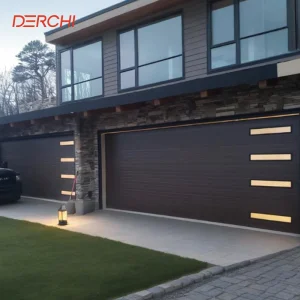
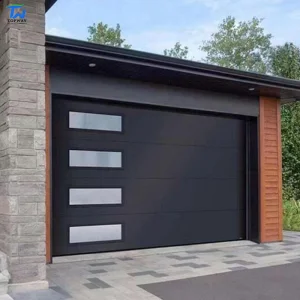
Explore our precision-engineered industrial overhead systems and luxury residential garage doors. Built with durable structural frames, dynamic thermal breaks, and automated operator features.
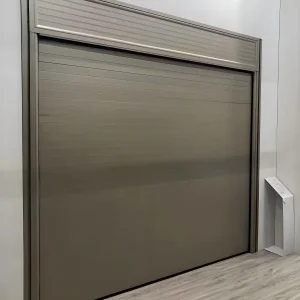
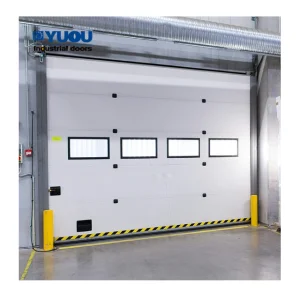
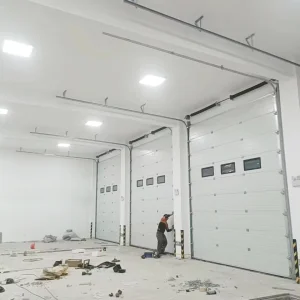
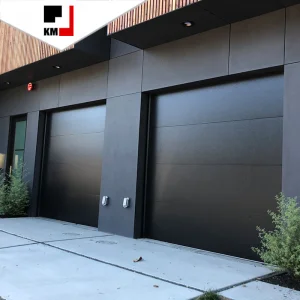
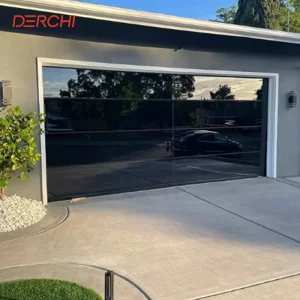
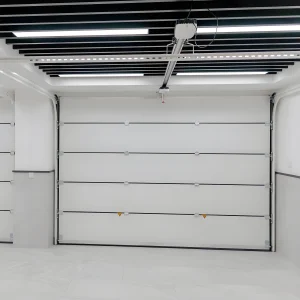
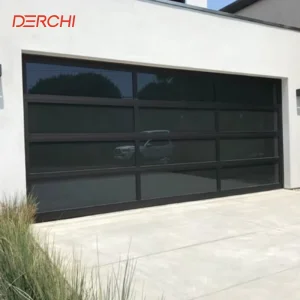
In modern logistics, warehousing, and smart residential architecture, the selection of access solutions is critical to operational efficiency. Sectional garage doors have emerged as the industry standard, supplanting traditional roller shutters in locations where high thermal envelope seals, superior mechanical durability, and strict safety compliance are non-negotiable.
The global market demand for premium overhead door systems is driven by several macroeconomic factors:
Double-skinned insulated steel panels containing CFC-free polyurethane foam minimize thermal bridging and secure localized climate integrity.
Heavy-duty torsion spring mechanisms rated for 25,000 to 100,000 cycles ensure low downtime in high-frequency commercial hubs.
Compliance with European Standard EN 13241-1 and dynamic anti-drop break device integration prevents mechanical failures.
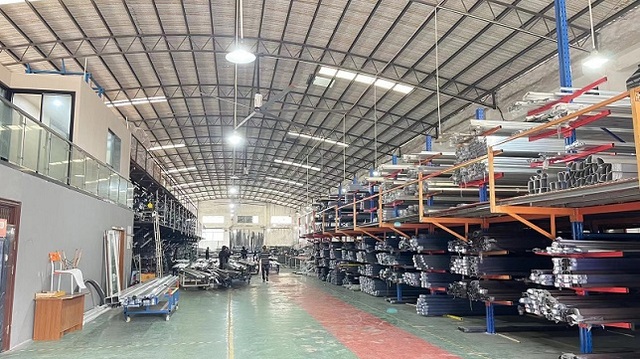
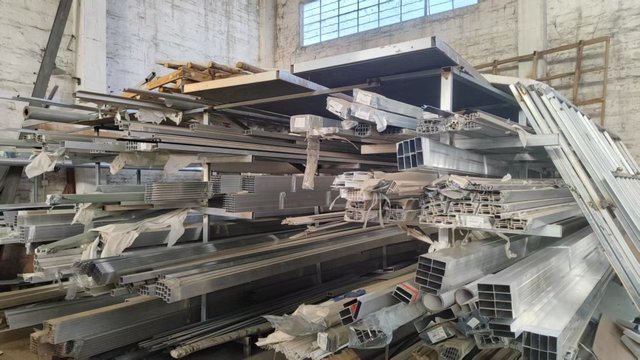
The global leadership of Chinese manufacturers in the sectional garage door sector is not merely a product of labor scaling; it is the result of vertical supply chain integration. In industrial manufacturing zones such as Dongguan, raw materials (high-grade steel coils, aluminum extrusions), hardware components (torsion springs, track systems), and automated motor systems are manufactured in close geographic proximity.
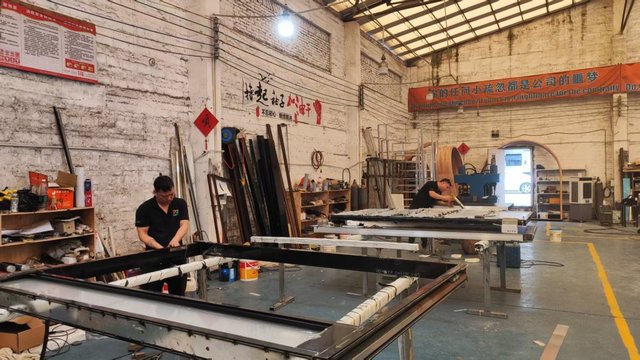
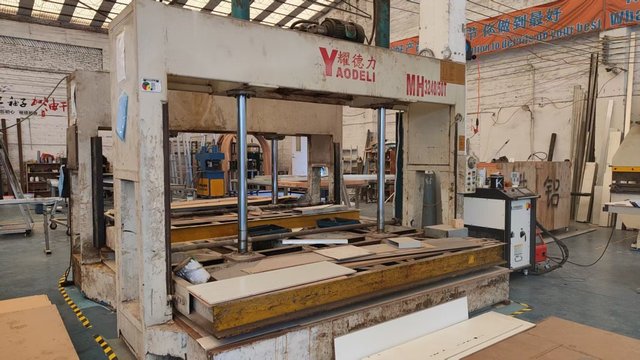
At Dongguan Gerald Doors Co., Ltd., this integration is elevated through automated production technology. By utilizing continuous polyurethane foaming lines and precision steel roll-forming machines, we reduce tolerances to sub-millimeter levels. This advanced tooling ensures panel alignment and improves mechanical performance, lowering costs without compromising product longevity.
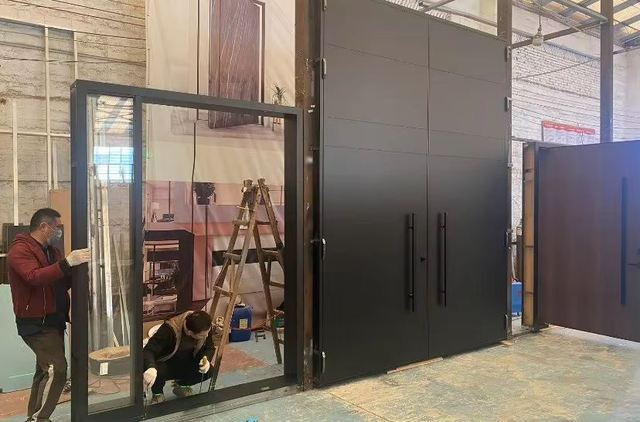
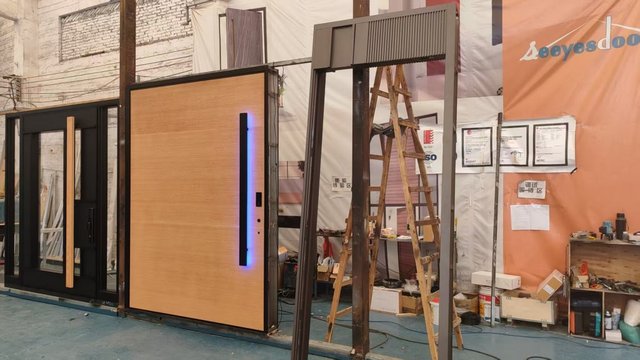
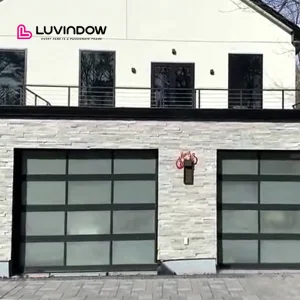
This manufacturing setup enables Gerald Doors to offer customized solutions—such as variable thermal thicknesses, custom wind brackets, and architectural glass finishes—at prices that compete globally. Our logistics configurations are designed for secure container loading, reducing shipping space waste and maritime transport damage.
Guarantees mechanical structural parts, tracking components, and panels.
Industrial springs built for continuous overhead operations.
Excellent thermal insulation rating, exceeding EU Green Standards.
Exported to North America, Europe, Middle East, and SEA.
Industrial & commercial buyers require hard testing parameters. Gerald Doors products are engineered to pass rigorous mechanical and structural checks.
| Performance Parameters | Residential Sectional Doors | Industrial Overhead Doors | Commercial Glass Panoramic Doors |
|---|---|---|---|
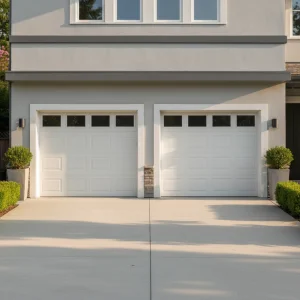
| Panel Core Material | CFC-Free Polyurethane (PU) Foam | High-Density Polyurethane (PU) Foam | Tempered Glass / Acrylic Panels |
| Skin Shell Options | 0.35mm - 0.50mm Galvanized Steel | 0.50mm - 0.70mm Heavy Galvanized Steel | Heavy-Duty Anodized Aluminum Extrusions |
| Thermal Transmittance (U-Value) | ~ 1.1 W/(m²·K) | ≤ 0.51 W/(m²·K) (Thermal Break Available) | ~ 2.8 - 3.2 W/(m²·K) (Variable) |
| Wind Load Resistance | Class 2 (EN 12424) | Class 3 - Class 5 (High-Wind Reinforcements) | Class 2 - Class 3 (Dependent on Size) |
| Corrosion Resistance Treatment | Zinc + Epoxy Primer + Polyester Topcoat | Hot-Dip Galvanized + Double-Polymer Coating | Fluorocarbon (PVDF) / Marine-Grade Anodized |
| Safety Devices | Pinch-Resistant Panels, Cable Break Safety | Spring Break & Cable Safety Devices, Safety Edges | Obstacle Detection Sensors, Photocell Beams |
Architects and procurement managers require solutions tailored to their project's environment. Different application scenarios present unique operational challenges:
Salty marine air accelerates oxidation, destroying standard steel coatings in months. For villa properties in coastal zones or marine logistics depots, Gerald Doors offers marine-grade aluminum alloy panels coated with high-performance PVDF fluorocarbon coatings, paired with stainless steel (SUS304/SUS316) tracks, hinges, and fasteners. This configuration provides corrosion resistance in harsh maritime conditions.
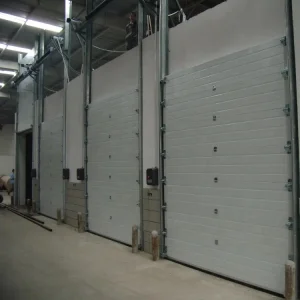
Maintaining a strict cold chain requires minimizing thermal transfer at loading docks. Our industrial-grade thick sandwich panels feature deep dual-lip perimeter seals and high-density polyurethane cores. By isolating the cold air inside from external summer heat, these doors reduce HVAC runtimes and prevent condensation near the door opening.
With thousands of cycle runs daily, structural fatigue in torsion springs and cable breaks are major points of failure. Gerald Doors implements industrial helical torsion springs calibrated for over 100,000 cycles, combined with high-speed, direct-drive industrial motors, integrated frequency inverters, and automatic obstacle safety systems.
Dongguan Gerald Doors Co., Ltd. is a leading China garage door manufacturer specializing in residential, commercial, and industrial door solutions for customers worldwide. With a strong focus on quality, innovation, and reliability, Gerald Doors provides a comprehensive range of entrance and access systems designed to meet the needs of modern buildings, warehouses, logistics centers, factories, and residential properties.
Our product portfolio includes residential garage doors, commercial garage doors, industrial overhead doors, sectional doors, roller shutter doors, high-speed doors, fire-rated doors, security doors, and customized access solutions. Engineered with premium materials and advanced manufacturing technologies, our products are designed to deliver superior durability, safety, energy efficiency, and long-term performance in diverse operating environments.
At Gerald Doors, we understand that every project has unique requirements. Our experienced engineering and production teams work closely with customers to develop tailored solutions that match specific dimensions, operational needs, architectural styles, and performance standards. From design and manufacturing to quality control and delivery, we maintain strict production processes to ensure consistent product excellence.
Serving clients across North America, Europe, the Middle East, Southeast Asia, and other global markets, Gerald Doors has built a reputation for dependable products, responsive customer service, and competitive manufacturing capabilities. We continuously invest in research and development to improve product functionality, automation technologies, and smart access solutions that support the evolving demands of residential and industrial applications.
Resolving the technical, shipping, and design questions of professional builders, engineers, and international wholesale distributors.
R-value measures the thermal resistance of the insulation material itself (typically polyurethane foam). U-value measures the rate of heat transfer through the entire assembled door structure, including joints, panels, glass windows, and perimeter weather strips. For cold chains and energy-efficiency compliance, the U-value provides a more accurate metric of performance. A lower U-value indicating superior energy retention.
We analyze the building's geographic location to calculate localized wind forces. For high-wind zones, we design sectional doors with integrated steel wind struts, reinforced tracking brackets, heavy-duty hinges, and dual-axis roller systems. This enables our doors to meet Class 4 or Class 5 wind resistance levels under EN 12424 standards, withstanding gusts of over 110 mph.
Yes. Our automated systems feature standardized dry contact ports, RS485 Modbus chips, and ethernet controllers. This enables seamless connection with building management databases, fire alarm overrides, and modern warehouse management systems (WMS). Safety features like bottom pneumatic edges, infrared safety eyes, and wireless loop detectors are pre-wired for plug-and-play installation.
To prevent damage during transit, door panels are wrapped in thick polyethylene foam, reinforced with cardboard corners, and placed on steel-strapped wooden crates. Tracking systems, hardware boxes, and springs are packaged in heavy-duty wooden boxes. This packaging prevents shifting inside shipping containers, ensuring safe delivery to the job site.
Gerald Doors provides a standard 5-year structural warranty on panels against rust, delamination, and severe degradation. Mechanical components (torsion springs, track systems, cables, rollers, hinges) are warranted for up to 3 years or a set number of operational cycles (e.g., 50,000 cycles). Motorized drive systems carry a 2-year warranty.
Explore our selection of heavy industrial sliding doors, glass panel systems, and quiet belt-driven residential setups designed for high-end properties.
 Gerald Doors