Engineered to deliver exceptional thermal insulation, security barriers, and air tightness under severe pressure conditions.
The critical role of high-integrity building envelopes in the net-zero economy.
In modern industrial and commercial construction, the building envelope represents the first line of defense against thermal inefficiency, environmental exposure, and structural degradation. With the acceleration of global greenhouse gas reduction targets and stringent building codes (such as Europe's Energy Performance of Buildings Directive [EPBD] and ASHRAE 90.1 in North America), weather-sealed doors have transitioned from optional functional accessories to core infrastructural mandates. Industrial operations, cold chain warehousing, pharmaceutical hubs, and high-frequency logistics centers are finding that air infiltration and poor thermal performance at entry portals account for up to 45% of building heating and cooling loss.
Global procurement teams in heavy industries, distribution networks, and FMCG sectors are facing increased pressure to source weather-resistant access installations that offer verified certifications. When sourcing from China, the world's preeminent manufacturing center for access control systems, buyers look beyond price structures to evaluate key factors including structural wind load capacity, lifecycle endurance, customized dimensions, and precision material integrity. Ensuring a reliable barrier against dust, moisture, temperature variances, and ambient noise is essential to guaranteeing business continuity and reducing carbon taxation liabilities.
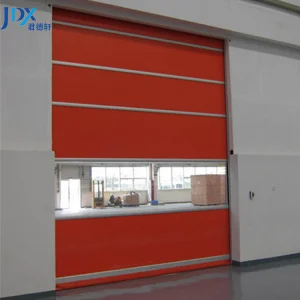
Through high-density thermal cores & multi-point sealing tracks.
Certified under European Standard EN 12424 for high-wind safety zones.
Extremely low leakage rates maintaining stable cleanroom environments.
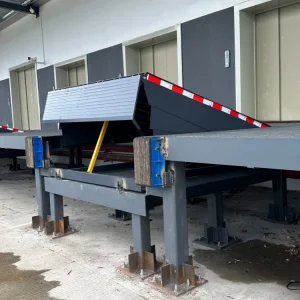
Tested heavy-duty components for demanding industrial operations.
Decoupling indoor environments from external macro-climates through advanced materials.
Understanding the thermodynamic properties of weather-sealed doors requires looking at the interactions between heat transfer, air density differentials, and moisture control. A high-performance door system uses several engineering layers to prevent energy loss:
1. Thermal Decoupling (Thermal Breaks): Structural frames, particularly those made of aluminum alloys, are prone to thermal bridging. Premium weather-sealed doors from leading manufacturers feature high-density polyamide thermal breaks inserted within the profiles. This effectively isolates the indoor and outdoor metal components, preventing condensation build-up and structural mold formation.
2. Elastomeric Perimeter Gasketing: Standard PVC seals degrade rapidly under UV exposure and freeze-thaw cycles. Advanced doors use co-extruded EPDM (Ethylene Propylene Diene Monomer) or silicone rubber seals with multi-chamber structures. These remain flexible at temperatures as low as -40°C and retain shape under heavy compression, maintaining a reliable perimeter seal.
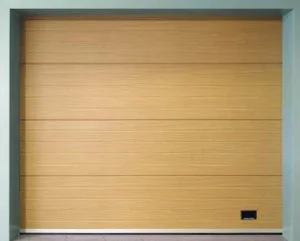
3. Insulation Cores: Sectional panels use CFC-free Polyurethane (PU) or Polyisocyanurate (PIR) cores, high-pressure injected to densities of at least 40-42 kg/m³. This achieves high R-values (thermal resistance) to lower carbon emissions in climate-controlled warehouses.
An inside look at our advanced engineering, custom configurations, and global supply footprint.
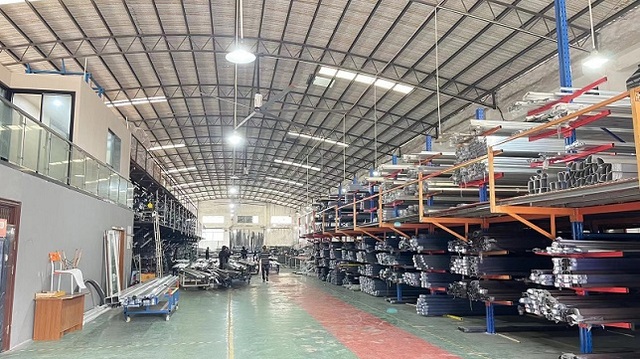
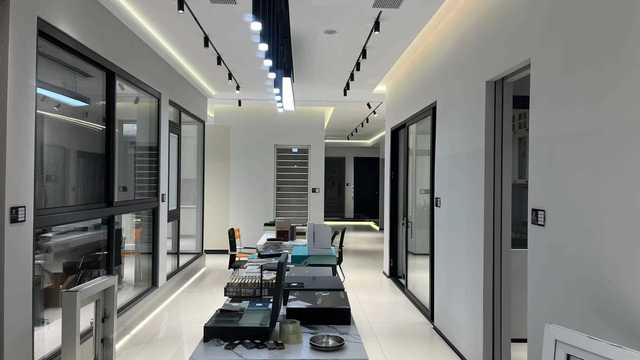
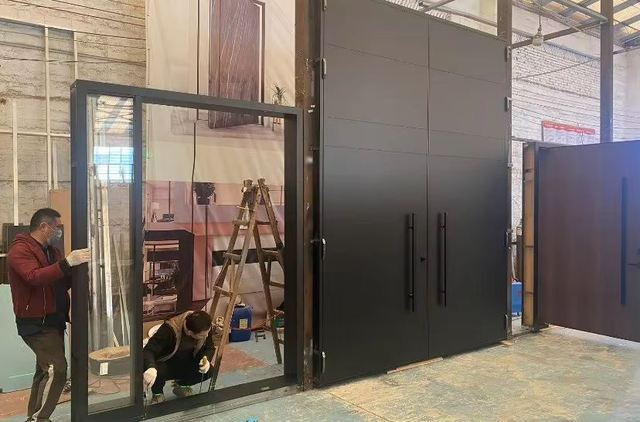
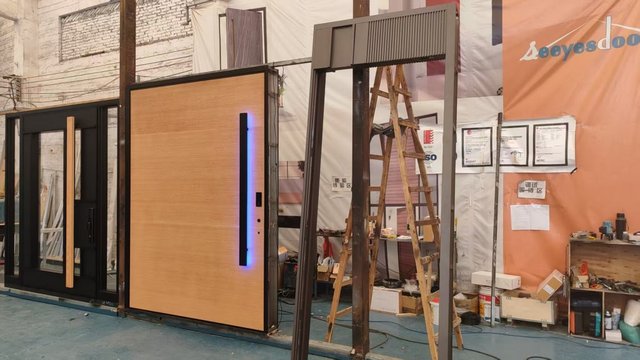
As a leading Chinese manufacturer of high-performance doors, Dongguan Gerald Doors Co., Ltd. specializes in residential, commercial, and industrial door systems for clients worldwide. With a strong commitment to quality, innovation, and reliability, Gerald Doors offers a comprehensive range of entry and access systems designed for modern buildings, cold storage facilities, logistics centers, heavy industrial plants, and residential projects.
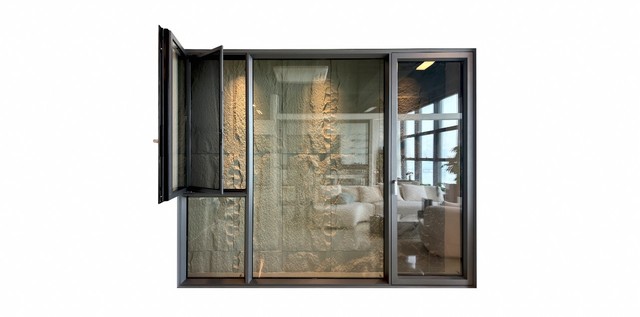
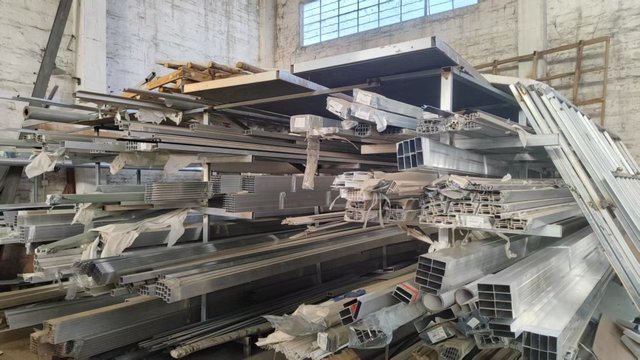
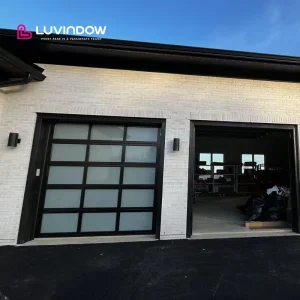
Our product portfolio includes residential garage doors, commercial sectional doors, industrial overhead doors, rapid roll-up doors, security fire doors, and custom automated entrances. Engineered with high-grade steel, premium aluminum extrusions, and advanced drive automation, our products deliver durability, safety, energy efficiency, and long-term performance in demanding operating environments.
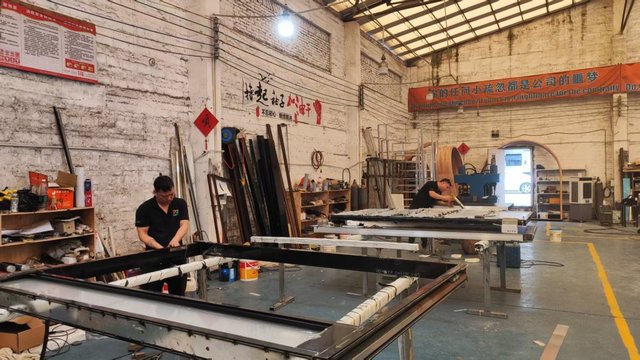
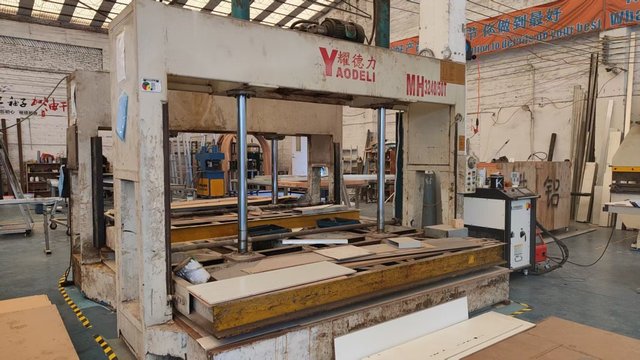
At Gerald Doors, we work closely with clients to develop tailored solutions matching precise structural dimensions, operational speeds, and regional building codes. From design and automated manufacturing to strict quality control and global logistics coordination, we follow rigorous protocols to ensure consistent product standards across North America, Europe, the Middle East, Southeast Asia, and other international markets.
Ensuring seamless site deployment and safety compliance across distinct geographic regions.
A major risk in the global trade of heavy industrial building materials is compliance with local regulations. Dongguan Gerald Doors Co., Ltd. minimizes this risk by ensuring all product lines are certified and tested to global standards. For European markets, our structural doors carry the CE Marking, complying with EN 13241-1 requirements for wind loads, safe operation, and operational force. For the North American market, our fire-rated doors and sectional assemblies meet UL 10B, UL 10C, and NFPA standards, providing peace of mind during construction inspections.
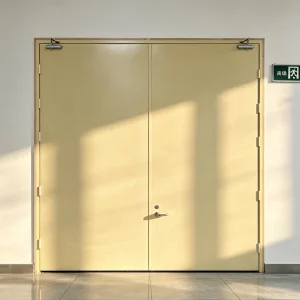
Our fire-rated door assemblies (such as the EI60 and EI90 configurations) undergo independent thermal testing to verify their integrity under extreme heat. These doors prevent the spread of combustion gases and block radiant heat transfer for up to 90 minutes. This critical protection window allows safe evacuation and safeguards valuable inventory in warehouse zones.
Every insulated panel design is subjected to infrared thermal imagery testing to ensure cold-bridging is completely eliminated.
Spring counterbalances and motor drive units undergo stress testing to simulate up to 10-15 years of standard industrial cycling.
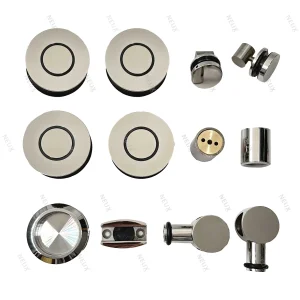
Marine-grade coatings, galvanized hardware, and stainless steel fasteners prevent oxidation in high-humidity or coastal locations.
The convergence of industrial automation, IoT diagnostics, and predictive maintenance.
The future of industrial doors goes beyond physical barriers. As factories transition to Industry 4.0 and integrated Building Management Systems (BMS), weather-sealed doors are evolving into smart, connected hubs. Dongguan Gerald Doors is leading this shift by incorporating intelligent sensors and connectivity options into our product line.
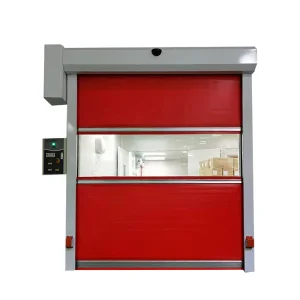
By using variable frequency drives (VFD) and programmable logic controllers (PLC), our high-speed door systems dynamically adjust opening and closing speeds based on traffic patterns. Standard photocells are being replaced by micro-radar active scanning grids. These scan approaching forklifts, calculate their velocity, and open the door at the last possible moment, minimizing the open-door interval to limit heat exchange. Built-in IoT modules also monitor motor winding temperatures, spring tension decline, and cycles to enable predictive maintenance, reducing costly unscheduled downtime.
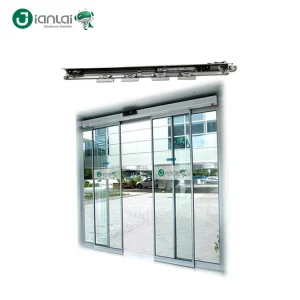
Engineered for heavy industrial use, cold storage separation, fire boundaries, and automated commercial entrances.
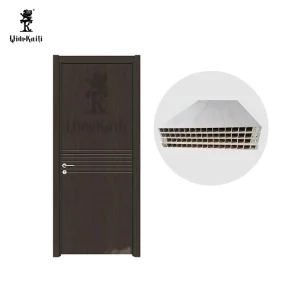
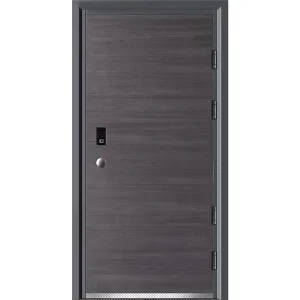
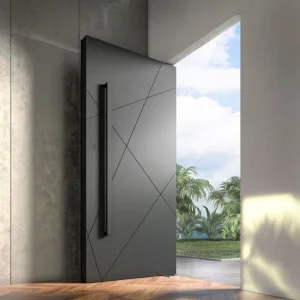
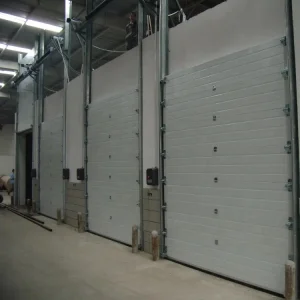
Technical insights on sourcing, engineering, and thermal efficiency.
 Gerald Doors