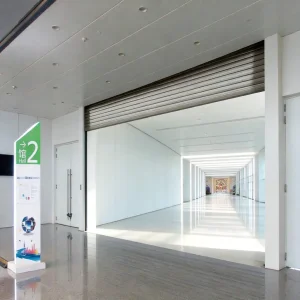
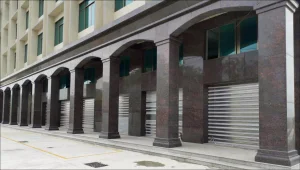
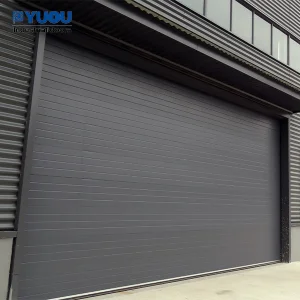
Explore our premium architectural access systems, engineered for durability, automation, safety, and modern building standards.
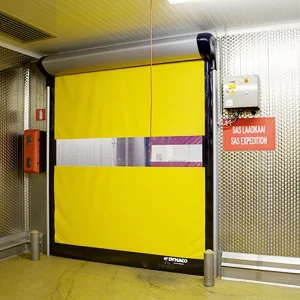
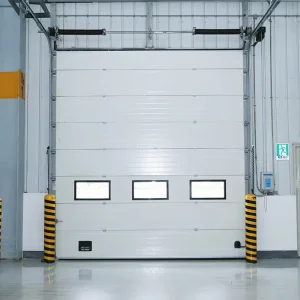
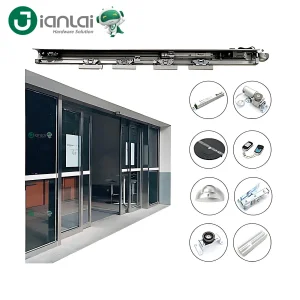
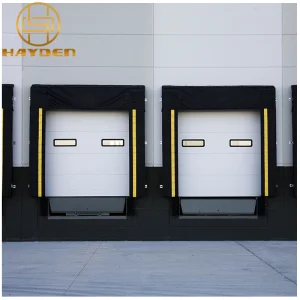
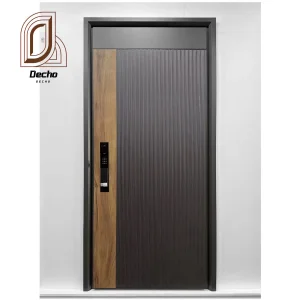
A comprehensive research analysis on global trends, technical roadmaps, thermal performance, and compliance metrics for architectural entrance systems.
The global construction envelope market is witnessing an unprecedented transition from purely structural isolation elements to active, multi-functional fenestration systems. Architectural glass doors sit at the center of this paradigm shift. No longer limited to acting as simple entryways, modern glass systems must address complex challenges in thermal performance, environmental sustainability, high-volume pedestrian circulation, automated accessibility, and structural load distributions.
As leading manufacturers based in China's manufacturing heartland, we analyze how commercial requirements, strict green building compliance guidelines (such as LEED, BREEAM, and national energy rating codes), and aesthetic clean-sightline preferences shape global sourcing behaviors. Sourcing teams can no longer view architectural glass doors as a simple commodity; they must evaluate them as precision-engineered building systems.
To deliver true utility, architectural glass doors must balance strict engineering metrics. Understanding these details helps specifiers and engineering teams select systems that stand up to structural analysis:
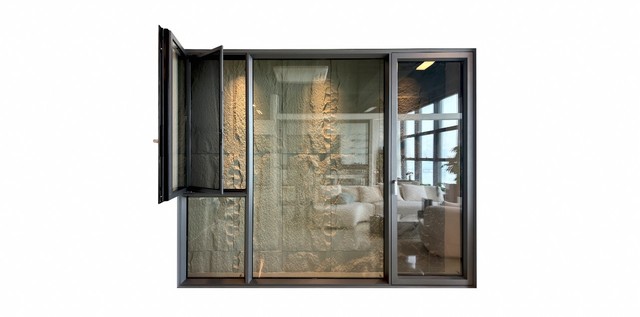
High-performance double and triple-glazed systems featuring low-emissivity (Low-E) coatings and argon gas fill. We engineer systems with thermal breaks to target overall U-values down to 1.2 W/m²K, minimizing heat transfer and matching strict local energy compliance codes.
Our laminated architectural glass setups feature specialized acoustic PVB interlayers. These systems achieve a Sound Transmission Class (STC) rating of up to 45 dB, making them ideal for high-traffic transport terminals, corporate headquarters, and hotels.
Engineered using tempered and heat-strengthened glass compliant with EN 12150 and ASTM C1048 standards. Designed to withstand wind loads exceeding 3.5 kPa, ensuring reliability in typhoon-prone regions and coastal areas.
Architectural design requirements change dramatically based on local climates and regional regulations. By aligning manufacturing with regional needs, exporters can deliver better value on a global scale:
The next decade of architectural entrance design points toward three major tech trends:
BIPV (Building-Integrated Photovoltaics): Integrating transparent solar harvesting technology within the glass panels of low-traffic doors and side lites to generate onsite renewable energy.
Electrochromic Smart Glass: Dynamic glazing that changes tint in response to electrical voltage. This controls glare and heat gain in real time, connecting directly to the building management system (BMS).
Predictive Maintenance Automation: Brushless DC motors and sensor networks that monitor door cycles and motor load, flagging issues before a mechanical failure happens.
Learn more about Dongguan Gerald Doors Co., Ltd. - your trusted partner for high-reliability architectural and industrial entrance systems.
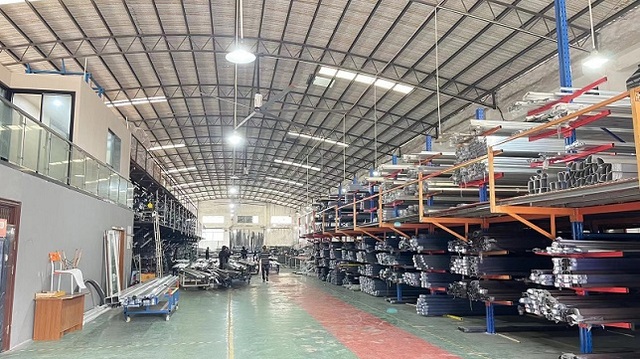
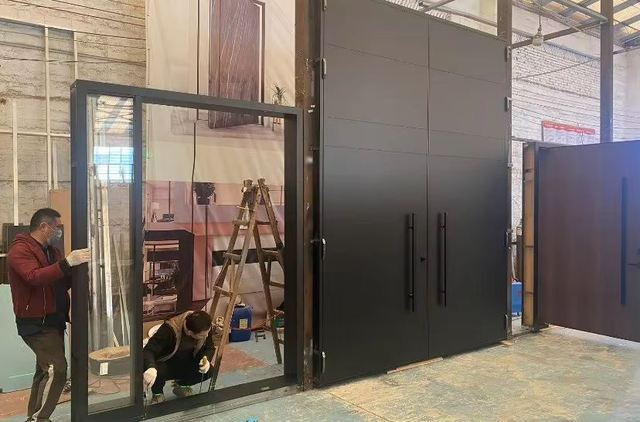
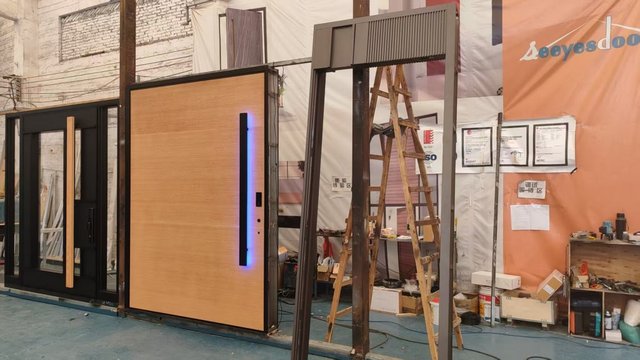
Dongguan Gerald Doors Co., Ltd. is a leading China garage door manufacturer specializing in residential, commercial, and industrial door solutions for customers worldwide. With a strong focus on quality, innovation, and reliability, Gerald Doors provides a comprehensive range of entrance and access systems designed to meet the needs of modern buildings, warehouses, logistics centers, factories, and residential properties.
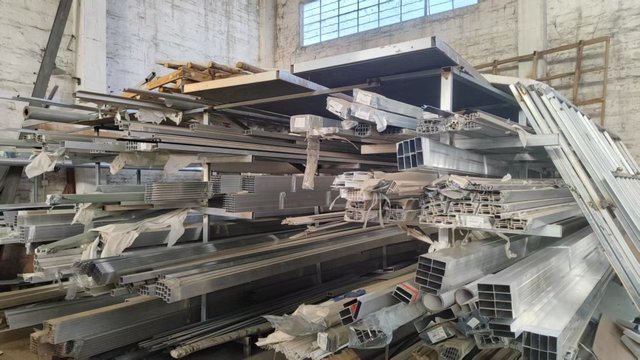
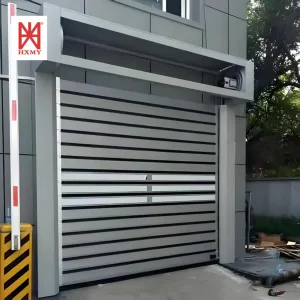
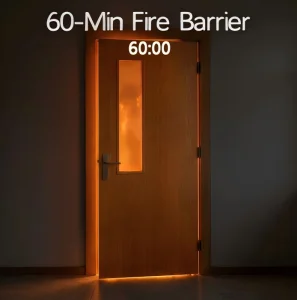
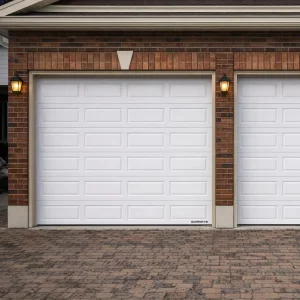
Our product portfolio includes residential garage doors, commercial garage doors, industrial overhead doors, sectional doors, roller shutter doors, high-speed doors, fire-rated doors, security doors, and customized access solutions. Engineered with premium materials and advanced manufacturing technologies, our products are designed to deliver superior durability, safety, energy efficiency, and long-term performance in diverse operating environments.
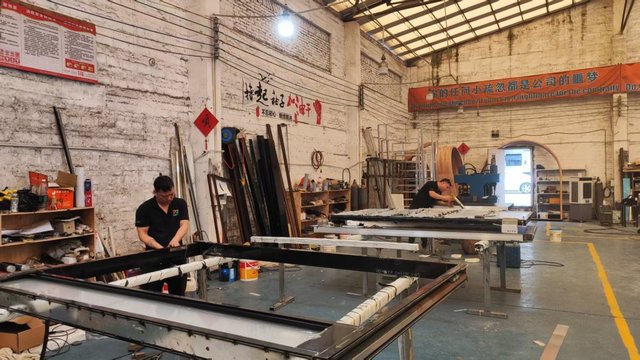
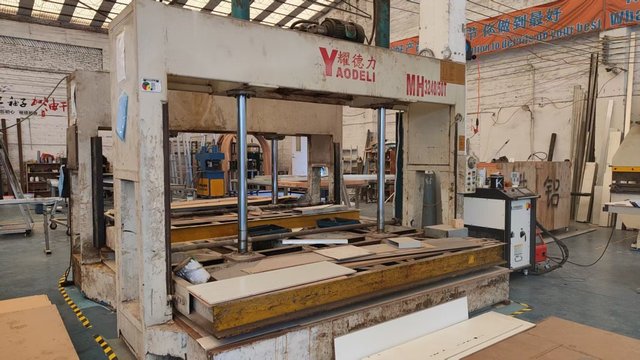
At Gerald Doors, we understand that every project has unique requirements. Our experienced engineering and production teams work closely with customers to develop tailored solutions that match specific dimensions, operational needs, architectural styles, and performance standards. From design and manufacturing to quality control and delivery, we maintain strict production processes to ensure consistent product excellence.
Serving clients across North America, Europe, the Middle East, Southeast Asia, and other global markets, Gerald Doors has built a reputation for dependable products, responsive customer service, and competitive manufacturing capabilities. We continuously invest in research and development to improve product functionality, automation technologies, and smart access solutions that support the evolving demands of residential and industrial applications.
Driven by a commitment to quality and customer satisfaction, Dongguan Gerald Doors Co., Ltd. strives to be a trusted global partner for innovative, secure, and high-performance door systems.
Find answers to common technical, structural, and procurement questions asked by architects, general contractors, and sourcing teams.
For high-traffic spaces, focus on structural profile thickness, heavy-duty guide hardware, and motor safety ratings. Our systems feature brushless DC motors rated for over 1 million opening cycles and safety sensors that protect pedestrian traffic.
Low-emissivity (Low-E) coatings reflect infrared heat while letting visible light pass through. In winter, this keeps heat inside; in summer, it blocks solar radiation. This reduces HVAC loads and helps projects earn LEED points and meet local building energy standards.
Yes. Our automated sliding and rolling systems include dry-contact control boards compatible with card readers, biometric systems, facial recognition, and central building management systems (BMS).
Our glass door panels are certified under EN 12150 (European tempered safety glass standards) and ANSI Z97.1 / SGCC (North American safety standards). This ensures the glass breaks into tiny, blunt pieces rather than sharp shards in the event of an impact.
Typical fabrication lead times range from 30 to 45 days, depending on custom sizing, finish requirements (such as anodizing or powder coating), and order volume. We offer full technical drawings and approval steps before starting production.
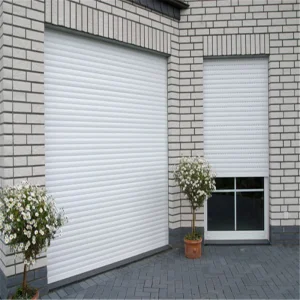
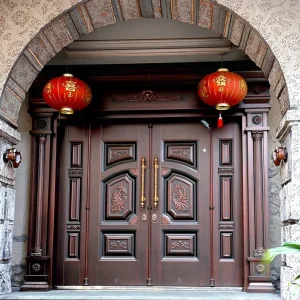
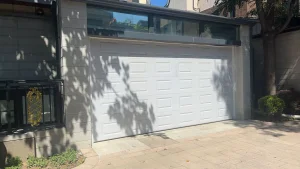
Explore more products from our production lines, including smart roller shutters, security doors, and high-performance overhead garage doors.
 Gerald Doors