Explore our high-performance industrial and commercial entry configurations built for extreme environments and heavy logistics cycles.
How modern enterprises balance cost, compliance, and technological integration across high-frequency commercial entries.
For supply chains containing pharmaceuticals, fresh perishables, and delicate chemical agents, temperature regulation is not merely a cost consideration but a critical compliance mandate. Procurement specifications now prioritize specialized entries with low heat-transmission values.
High-volume facilities view entryways as dynamic operational assets. A door failure directly blocks logistics corridors, generating massive downtime costs. Procurement agents increasingly request solutions rated for at least 500,000 to 1,000,000 operating cycles.
Entry systems must strictly match municipal building safety guidelines, fire barriers, and accessibility standards. Procured systems must present verified testing reports indicating precise resistance to wind, fire spread, and acoustic transmission.
Modern entry design requires custom responses to diverse functional challenges. In multi-use spaces, a single door is responsible for distinct zones, dividing logistics areas from customer zones while balancing safety requirements with speed.
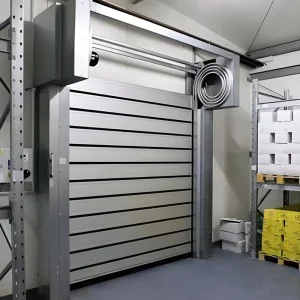
In heavy industrial environments, such as aerospace factories or chemical processing facilities, entries must withstand high air pressure, prevent dust intrusion, and remain safe under manual or automated operations. Choosing sectional doors over high-speed spiral models depends on the vehicle flow, environmental exposure, and required energy efficiency.
"An optimized entrance functions as a smart environmental valve, maintaining facility pressure, ensuring safety, and speeding up warehouse workflows."
For logistics hubs, loading docks must align exactly with regional truck profiles. We supply customized levelers, dock seals, and vertical sectional doors to form an airtight path, ensuring temperature control and protecting items from outside weather during loading.
Exploring the engineering shifts, electronic monitoring integration, and material sciences shaping next-generation entrances.
Older pneumatic and induction drive systems are giving way to brushless DC direct-drive setups. These modern systems offer precise positioning, soft starts, and rapid deceleration, reducing mechanical wear on gearboxes and panels.
Physical safety bars and simple photo-eyes are being upgraded to advanced multi-point light curtains, area LiDAR, and overhead radar sensors. These systems identify moving objects, distinguish between pedestrians and vehicles, and prevent accidental closures.
By utilizing high-pressure expanded polyurethane formulations and thermal break frames, modern doors achieve low heat transmission (U-value). This reduces building heating and cooling costs and prevents condensation in damp environments.
A trusted global partner for high-performance, secure, and custom-engineered commercial and residential door systems.
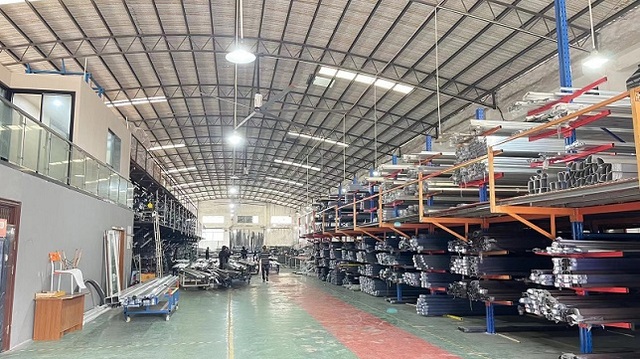
Dongguan Gerald Doors Co., Ltd. is a leading China garage door manufacturer specializing in residential, commercial, and industrial door solutions for customers worldwide. With a strong focus on quality, innovation, and reliability, Gerald Doors provides a comprehensive range of entrance and access systems designed to meet the needs of modern buildings, warehouses, logistics centers, factories, and residential properties.
Our product portfolio includes residential garage doors, commercial garage doors, industrial overhead doors, sectional doors, roller shutter doors, high-speed doors, fire-rated doors, security doors, and customized access solutions. Engineered with premium materials and advanced manufacturing technologies, our products are designed to deliver superior durability, safety, energy efficiency, and long-term performance in diverse operating environments.
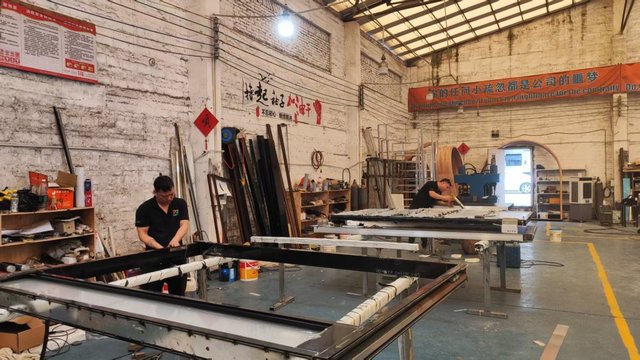
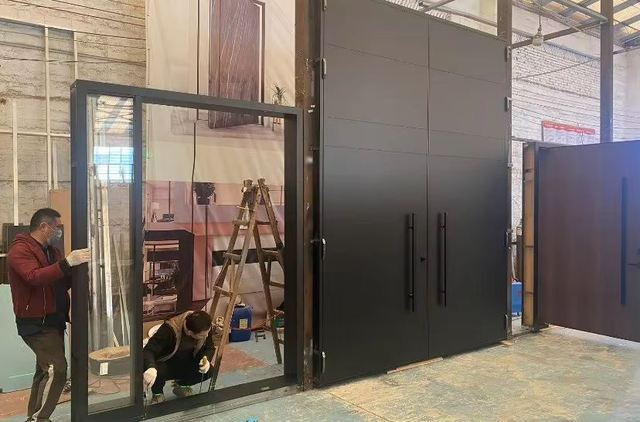
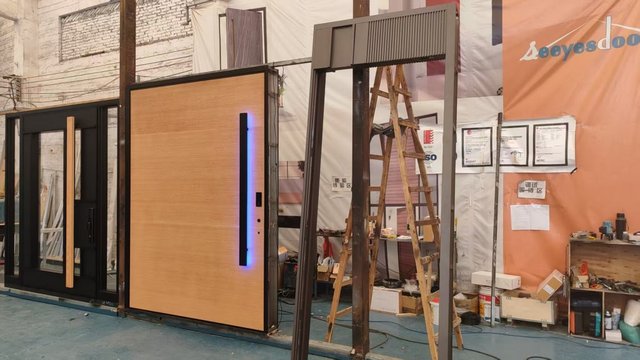
At Gerald Doors, we understand that every project has unique requirements. Our experienced engineering and production teams work closely with customers to develop tailored solutions that match specific dimensions, operational needs, architectural styles, and performance standards. From design and manufacturing to quality control and delivery, we maintain strict production processes to ensure consistent product excellence.
Serving clients across North America, Europe, the Middle East, Southeast Asia, and other global markets, Gerald Doors has built a reputation for dependable products, responsive customer service, and competitive manufacturing capabilities. We continuously invest in research and development to improve product functionality, automation technologies, and smart access solutions that support the evolving demands of residential and industrial applications.
Driven by a commitment to quality and customer satisfaction, Dongguan Gerald Doors Co., Ltd. strives to be a trusted global partner for innovative, secure, and high-performance door systems.
How we ensure global compatibility and safety approvals for municipal and corporate building systems.
All industrial and commercial doors shipped to the EU and UK strictly follow EN 13241 safety rules. Our designs undergo testing for wind load resistance, safe operation, manual release forces, and thermal properties.
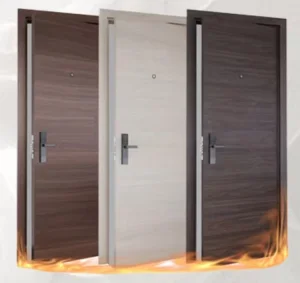
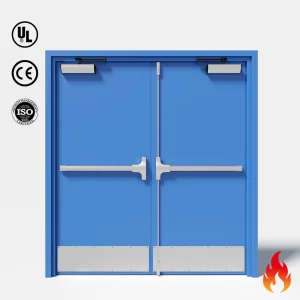
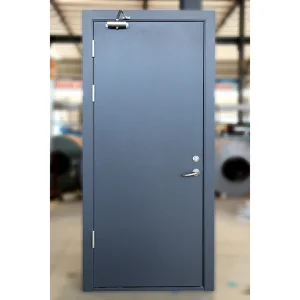
Our commercial steel doors and hardware packages meet SDI structural specs. Our fire-rated models are tested according to UL 10B, UL 10C, and NFPA 252 standards, protecting escape corridors for up to 3 hours.
Entries customized for high-temperature and high-humidity coastal settings feature corrosion-resistant double-layered powder coats and wind-resistant framing, protecting facilities from regional sandstorms.
A side-by-side technical comparison of standard entry categories to support project engineering decisions.
| Solution Type | Typical Velocity | Standard Insulation | Wind-Resistance (EN13241) | Standard Target Environment | Specialist Integration |
|---|---|---|---|---|---|
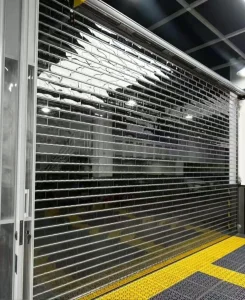
| High-Speed Spiral Doors | Up to 1.5 - 2.5 m/s | Polyurethane Double-Wall | Class 3 - 4 | Heavy Logistics & Manufacturing | Radar, Induction Loops |
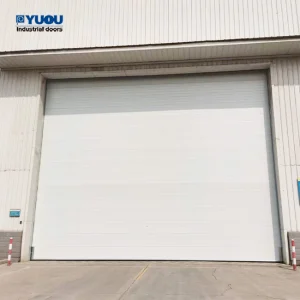
| Sectional Sandwich Doors | 0.2 - 0.4 m/s | 40 - 80 mm Thermal Core | Class 2 - 3 | Warehouses & Loading Docks | Dock Leveler Interlocks |
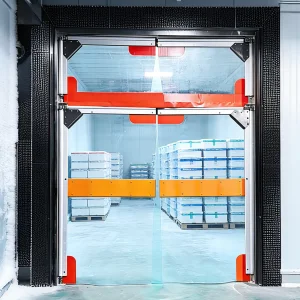
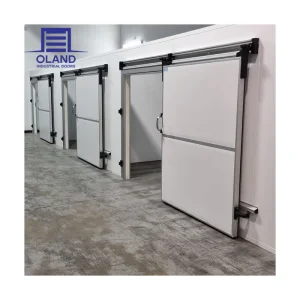
| Cold Storage Traffic Doors | Manual / Swing Auto | Soft PE Foam / Flexible PVC | N/A (Internal) | Cold Storage & Food Processing | Double Gasket Seal |
| Fire-Rated Steel Entries | Standard Swing / Sliding | Mineral Wool / Honeycomb Core | Class 1 - 2 | Commercial Office, Hotel, Plant | Magnetic Retainer, Auto-Closer |
Direct answers from our engineering division on specifications, safety guidelines, and installation requirements.
The overall insulation value depends on the thickness and density of the polyurethane core, along with the steel skin thickness and thermal isolation strips. We use guarded hot box testing (ASTM C1363 / EN ISO 12567-1) to measure real thermal performance, helping projects meet their overall energy target calculations.
Steel fire doors offer excellent mechanical strength, weatherproofing, and impact resistance, making them ideal for exterior walls and heavy-duty industrial corridors. Wooden fire doors, providing 30 to 90 minutes of protection, are typically chosen for high-end interior spaces like hotel entrances and modern apartments where design aesthetics are key.
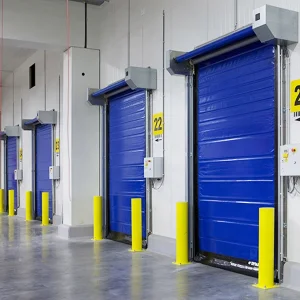
Traditional industrial sectional doors open slowly, leaving cold storage zones exposed to ambient warm air. High-speed roll-up doors open and close at up to 2.0 m/s. This quick action limits the exchange of cold and warm air, reducing compressor load and preventing frost buildup on evaporator units.
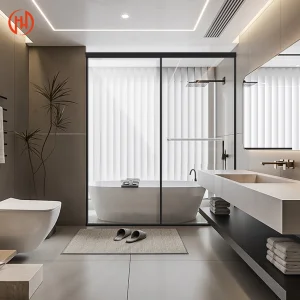
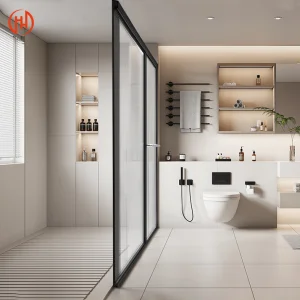
Our automated single-track shower doors feature clean, brushless belt-drive motors that integrate smoothly with smart home and building management systems. They provide touchless access, helping buildings meet modern accessibility guidelines while keeping layouts clean and dry.
For oceanfront docks or windy locations, we strengthen our sectional and roll-up doors with double-skin steel panels, heavy-duty roller guides, and structural wind bars. This allows the assembly to handle strong wind pressure without popping out of its tracks or warping.
Additional residential, commercial, and automation options to complete your building project specifications.
 Gerald Doors