OEM/ODM Lift-Up Door Systems Factories & Supplier

Next-Generation Industrial Access Solutions & Smart Automation Architecture for Global Enterprises

Global Commercial & Industrial Status

Analyzing macro-economic shifts, modern logistical demands, and architectural integration constraints.

The commercial and industrial sector is undergoing a rapid evolution characterized by automated warehousing, cold-chain logistics, and heightened requirements for structural wind load integrity. Traditional access panels are no longer sufficient to meet the strict demands of 24/7 high-intensity transit centers, aerospace hangars, cleanrooms, and large-scale industrial warehouses. Modern developments dictate that ingress and egress systems perform as active components of a building’s thermal boundary and structural framework rather than passive barriers.
Internationally, structural engineers and facilities directors are facing critical regulatory updates regarding thermal transmittance values (U-values) and carbon footprint caps. Environmental and spatial considerations demand vertical lift-up mechanisms that minimize overhead footprint loss, optimize interior clearance heights, and eliminate spatial interference with overhead cranes or electrical conduit runs. These configurations offer the ideal resolution by folding or sliding vertically, thus optimizing floor utilization.
45%
Reduction in Thermal Loss
150+
KM/H Wind Load Resistance
100k+
Lifecycle Testing Runs
0.8s
Rapid Transit Open Speeds

Technological Evolution of Lift-Up Door Systems

From mechanical counterweights to smart servo drives and sensor-driven automation integration.

Historically, vertical opening doors relied heavily on basic mechanical torsion spring balances, requiring frequent maintenance and posing safety hazards upon fatigue failure. Modern industrial systems employ automated drive mechanics characterized by brushless servo control packages. These units calculate precise deceleration profiles, variable-frequency speed controls, and dynamic load monitoring to prevent mechanical impact stresses and extend operational cycles.
Technical Highlight: PU Insulation & Sandwich Panel Mechanics

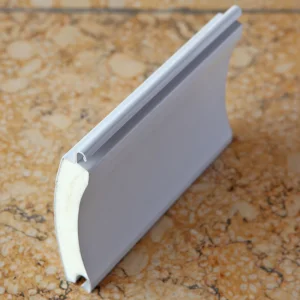
Double-skinned galvanized steel panels filled with high-density polyurethane (PU) foam provide robust thermal barriers. Structural integrity is further reinforced via integrated internal reinforcement struts, enabling large-span systems to withstand intense localized wind pressures without deflection or seal failures.

Smart Servo Controls

Advanced microprocessor modules analyze dynamic torques to ensure smooth acceleration, auto-reverse protection upon blockages, and seamless digital system integrations.

Advanced Safety Architectures

Integrated multi-beam light curtains, wireless sensing bottom edges, and optical sensors intercept any physical obstructions immediately, meeting demanding ISO 13849-1 standards.

High-Speed Stacking Mechanics

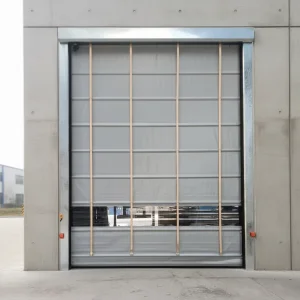
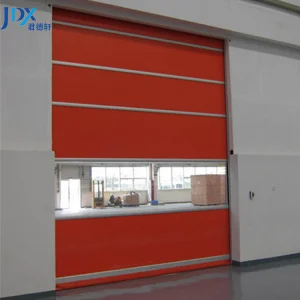
Utilizing robust webbing straps or rigid double-helical guide tracks, doors fold upwards in high-velocity successions. This minimizes cycle time exposure and retains internal environmental control.

Global Enterprise Procurement Requirements

Deciphering sourcing considerations for developers, engineering leads, and supply managers.

Procurement leads face complex sourcing parameters. Commercial acquisitions are evaluated beyond capital expenditures, emphasizing total cost of ownership (TCO), maintenance accessibility, structural lifetime, and compliance certifications. Large-scale procurement demands standard compliance across multiple regulatory regions, including CE markings for the European Economic Area, UL/ANSI compliance for North America, and AS/NZS classifications for Oceania.
1
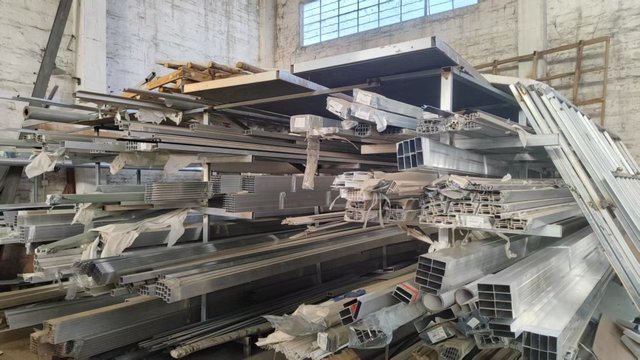
Material Traceability: Procuring agents require authenticated chemical mill sheets for structural steel, aluminum alloys, and high-performance PVC membranes to confirm mechanical strength.
2
Compliance & Approvals: Complete environmental and safety certifications must cover fire retardancy (EN 13501-1 Class B), wind resistance ratings, and thermal U-values.
3
Operational Adaptability: Custom controller ports should interface directly with existing warehouse management systems (WMS), industrial networks, and building management systems (BMS).

China Factory 4.0: Supply Chain Resilience & Manufacturing Excellence

Leveraging automated engineering, advanced tooling, and robust raw material ecosystems.

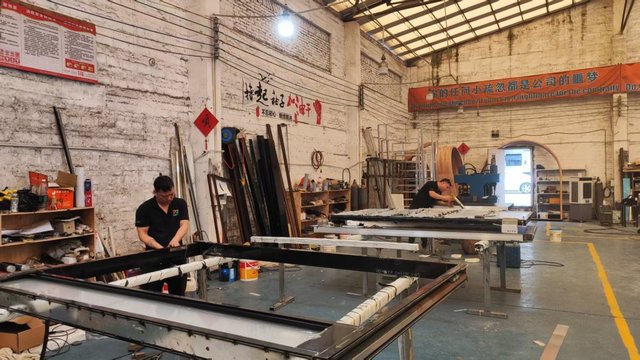
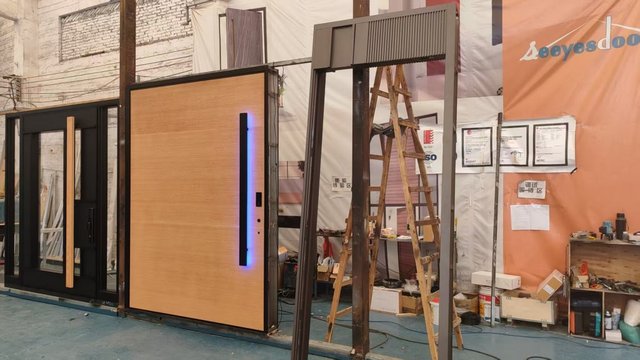
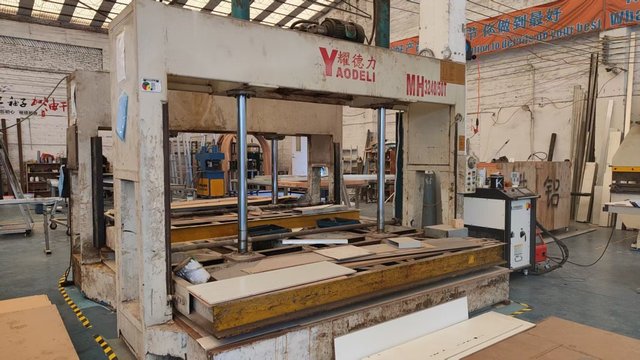
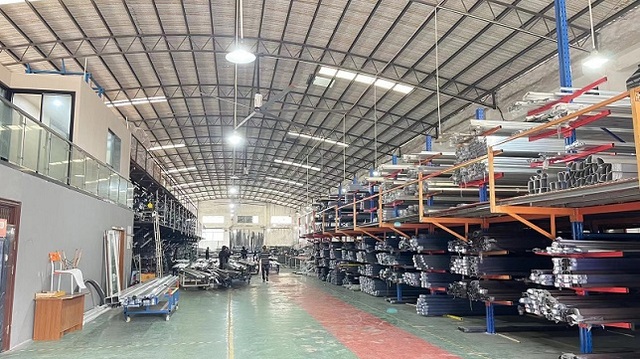
China’s industrial transformation has positioned modern factories at the head of access system manufacturing. By integrating Factory 4.0 methodologies, automated manufacturing units implement precision robotic welding structures, computer numerical control (CNC) cold-forming mills, and automated polyurethane injection lines. This removes manual dimensional variances, ensuring straight structural spans and precise interlock clearances.
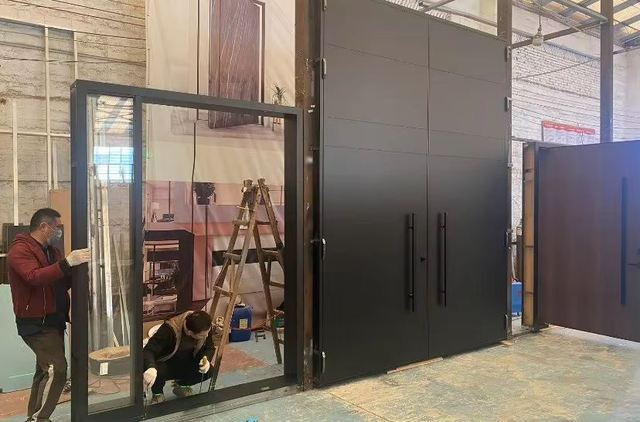
Dongguan Gerald Doors Co., Ltd. demonstrates these capabilities by utilizing regional supply networks, raw steel mills, and specialized industrial component manufacturers to reduce production times. This localized synergy ensures that complex project specifications, custom orders, and emergency replacement components are delivered with minimal delay compared to conventional sourcing alternatives.
Dongguan Gerald Doors Co., Ltd. Corporate Profile

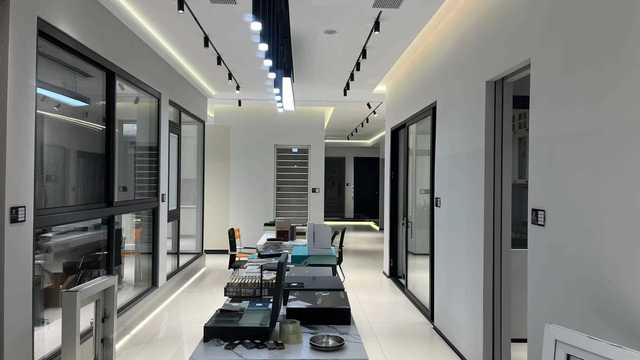
Dongguan Gerald Doors Co., Ltd. is a leading China garage door manufacturer specializing in residential, commercial, and industrial door solutions for customers worldwide. With a strong focus on quality, innovation, and reliability, Gerald Doors provides a comprehensive range of entrance and access systems designed to meet the needs of modern buildings, warehouses, logistics centers, factories, and residential properties.

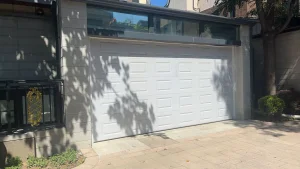
Our product portfolio includes residential garage doors, commercial garage doors, industrial overhead doors, sectional doors, roller shutter doors, high-speed doors, fire-rated doors, security doors, and customized access solutions. Engineered with premium materials and advanced manufacturing technologies, our products are designed to deliver superior durability, safety, energy efficiency, and long-term performance in diverse operating environments.

At Gerald Doors, we understand that every project has unique requirements. Our experienced engineering and production teams work closely with customers to develop tailored solutions that match specific dimensions, operational needs, architectural styles, and performance standards. From design and manufacturing to quality control and delivery, we maintain strict production processes to ensure consistent product excellence.

Serving clients across North America, Europe, the Middle East, Southeast Asia, and other global markets, Gerald Doors has built a reputation for dependable products, responsive customer service, and competitive manufacturing capabilities. We continuously invest in research and development to improve product functionality, automation technologies, and smart access solutions that support the evolving demands of residential and industrial applications.

Driven by a commitment to quality and customer satisfaction, Dongguan Gerald Doors Co., Ltd. strives to be a trusted global partner for innovative, secure, and high-performance door systems.
Localized Application Scenarios

Adapting complex industrial systems to distinct architectural environments and microclimates.

Cold-Chain Food Logistics

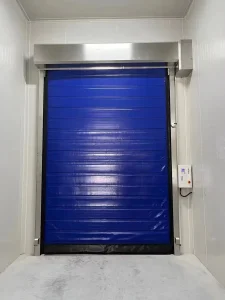
Fast-acting insulated roll-up systems maintain controlled temperatures within cold storage spaces, preventing frost build-up, reducing energy loss, and preserving food safety.

High-Cleanliness Cleanrooms

Non-porous PVC doors operate at speeds over 1.5m/s to reduce air transfer in electronic and pharmaceutical labs, maintaining pressure differentials and particulate control.

Coastal & Wind-Prone Warehouses

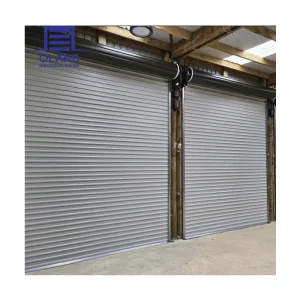
Designed with high-tensile steel structural slats and structural guide tracks, these assemblies withstand typhoon-level wind loads in heavy maritime environments.

Frequently Asked Questions

Technical answers regarding vertical lift systems, engineering specifications, and global sourcing workflows.

Q1: What are the primary structural advantages of vertical lift sectional configurations over standard swing systems?
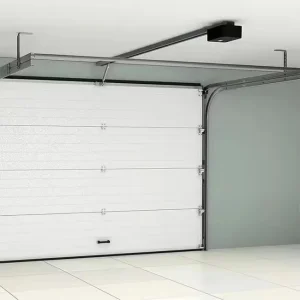
Vertical lift systems optimize usable floor area by moving panels directly upwards along vertical tracks. This prevents spatial interference, allows logistics vehicles to approach the entryway closely, and minimizes structural wear from swing motions.
Q2: How does Dongguan Gerald Doors ensure wind load resistance on wide commercial spans?
We integrate internal and external cold-rolled steel reinforcement ribs and wind lock rollers into our wide-span doors. This design diverts wind pressure directly into the structural guides, meeting international wind resistance standards.
Q3: Can these systems be integrated with smart access technologies and warehouse networks?
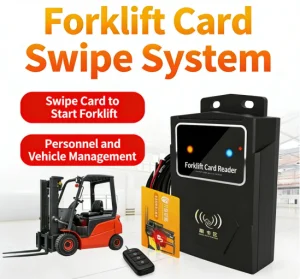
Yes, our control packages support connections to RFID readers, microwave radars, floor loop sensors, and smart PLC modules, enabling automated, hands-free transit for forklifts and personnel.
Q4: What thermal insulation properties (U-value) do the sandwich panels provide?
Our panels use high-density polyurethane (PU) foam insulation encased in galvanized steel sheets. Depending on thickness (ranging from 40mm to 80mm), they deliver low U-values that help maintain stable internal temperatures and reduce energy consumption.
Q5: What is the typical lead time for custom OEM/ODM industrial door orders?
Depending on custom dimensions, electrical drive specifications, and structural requirements, standard production takes 15 to 30 business days. Our supply chain configuration in Dongguan ensures rapid engineering turnaround and container dispatch.