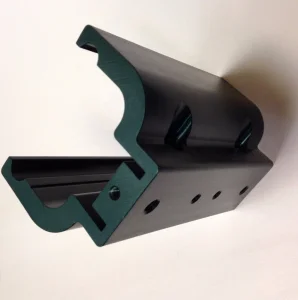
Engineered for immediate integration in Brazilian logistics hubs and high-end construction projects.
In modern structural engineering, aluminum door systems have transitioned from simple aesthetic partitions to critical components of building insulation, perimeter security, and operational efficiency. Globally, the demand for precision-extruded aluminum systems is driven by urbanization, strict carbon-neutrality initiatives, and the rapid expansion of modern cold-chain logistics hubs.
Leading manufacturers utilize structural alloys such as 6063-T5 and 6063-T6, incorporating advanced polyamide thermal barriers (PA66 GF25) to mitigate thermal bridging. When serving international markets like Brazil, systems must balance extreme UV resistance, saline coastal erosion resistance, and structural stability against localized wind loads.
| Mechanical Property | Alloy 6063-T5 | Alloy 6063-T6 |
|---|---|---|
| Tensile Strength (MPa) | ≥ 186 | ≥ 205 |
| Yield Strength (MPa) | ≥ 145 | ≥ 170 |
| Elongation (%) | ≥ 8 | ≥ 8 |
| Hardness (Webster) | ≥ 8-10 | ≥ 11-13 |
Navigating the engineering demands of the largest market in Latin America.
Brazil presents a diverse operational landscape, ranging from the highly dense, acoustic-sensitive commercial hubs of São Paulo to the highly corrosive, wind-swept maritime environments of Port of Santos and northeastern tourist regions. As the country expands its industrial parks and high-end residential real estate, sourcing highly reliable, international-standard aluminum systems becomes a strategic priority.
Brazil's agro-export economy requires vast logistics networks. Industrial sliding doors and high-speed roll-up doors are crucial for keeping climate-controlled warehouses operating with minimum heat exchange.
Urban centers require sound transmission class (STC) ratings exceeding 35 dB. High-density gaskets combined with multi-chamber aluminum profiles are critical to block high-frequency city noise.
High atmospheric salinity along Brazil's 7,491 km coastline demands Class 2 anodized finishes or thermosetting powder coatings to resist pitting corrosion and structural degradation.
How we align with Brazilian regulatory engineering codes to ensure smooth procurement and certification.
Importing architectural components into Brazil requires rigorous attention to structural and safety norms. Products provided by Gerald Doors are calculated and tested to align with the **Associação Brasileira de Normas Técnicas (ABNT)**:
We offer direct localized engineering document support, providing digital DWG/BIM files, performance test certificates, and customized component markings to simplify Brazilian customs clearance (Desembaraço Aduaneiro) and local structural inspections.
Request Technical Compliance Dossier| NBR Code | Test Parameter | Target Brazilian Performance Zone |
|---|---|---|
| NBR 10821 | Wind Load Resistance | Up to 1.5 kPa (Suitable for Southern High-rises) |
| NBR 10821 | Air Permeability | Class 2 or Class 3 (Minimum leak rate) |
| NBR 10821 | Watertightness | Class 2 (No water penetration at 150 Pa pressure) |
| NBR 7199 | Glazing Safety | Double-tempered or laminated glass options |
Optimized solutions for interior zoning, medical sanitation, and luxury real estate.
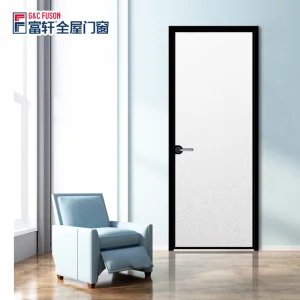
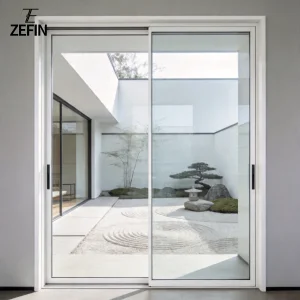
Addressing high-level performance metrics for heavy industrial parks, logistics hubs, and modern buildings.
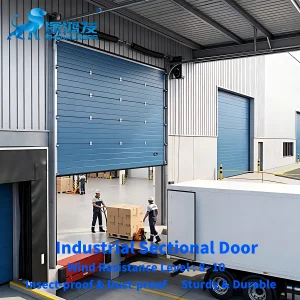
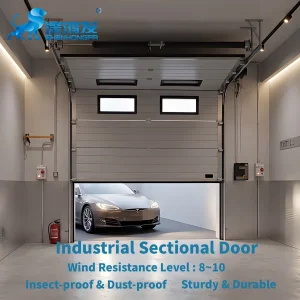
In cold stores and rapid-freight terminals (e.g., inside the food-processing clusters of Goiás or Paraná), maintaining precise indoor temperatures is key. Our industrial overhead sectional doors feature continuous polyurethane foaming cores, structural double-lip EPDM bottom seals, and robust automatic drive mechanisms to minimize cycle times and prevent convective energy loss.
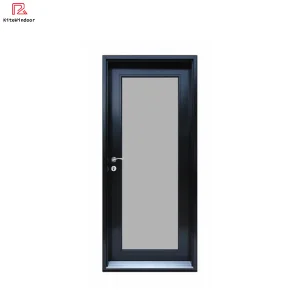
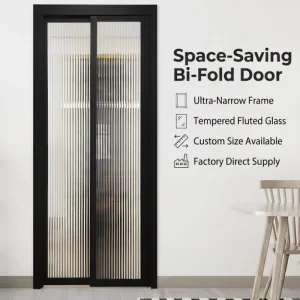
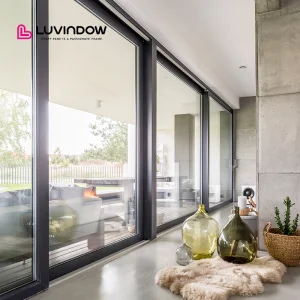
Coastal administrative headquarters and hotels require systems that resist high humidity and intense UV radiation. By employing 6063 aluminum alloys with anodized coatings thicker than 20 microns, our heavy-duty sliding systems prevent oxidation while double-glazed Low-E tempered safety glass deflects excessive solar infrared heat, significantly lowering internal HVAC loading.
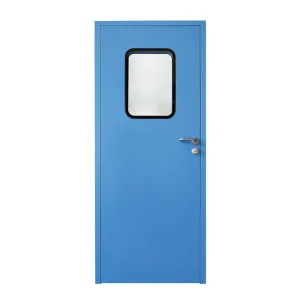
For pharmaceutical production, aerospace assemblies, and medical device manufacturing (especially in Brazil's industrial tech centers like Campinas and Curitiba), our cleanroom doors maintain critical pressure differentials. Flush profiles prevent microbial gathering, while specialized drop seals act as physical barriers against micro-contaminants.
Demonstrating structural resilience and utility across various Brazilian projects.
The Challenge: High wind gusts, corrosive sea-spray, and constant forklift traffic demanding robust security.
The Solution: Installation of specialized heavy-duty industrial sectional doors featuring windproof reinforcements, double polyurethane skin insulation, and anti-corrosive hardware treatments. Designed to withstand wind loads up to 1.6 kPa, meeting NBR 10821 standards.
Results: Reduced energy consumption in climate-controlled zones by 22% and eliminated structure failures from regional tropical storms.
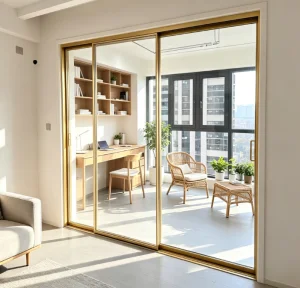
The Challenge: Floor-to-ceiling balcony doors required exceptional structural stability, marine weather protection, and high acoustic noise isolation.
The Solution: Luvindow Hurricane Impact Thermal Break sliding systems featuring multi-chamber profiles, integrated structural polyamide strips, and high-performance laminated glass.
Results: Achieved an STC rating of 38 dB against surrounding urban noise and maintained airtightness throughout Brazil's intense seasonal rainstorms.
Strategic development vectors for modern green building and automated systems.
Optimizing polyamides and multi-chamber systems to reduce thermal transmittance down to 1.4 W/(m²K), matching international green building certifications (LEED/EDGE) that are growing rapidly in major Brazilian metropolitan zones.
Developing high-speed industrial rolling systems with smart control inputs, including RFID trackers, license plate scanners, and facility management sensors for large automated distribution hubs in São Paulo and Rio de Janeiro.
Refining secondary aluminum smelting techniques to utilize up to 65% post-consumer recycled aluminum, cutting carbon emissions by 70% while maintaining the mechanical strength required for industrial door panels.
Combining high-precision Chinese engineering with localized Brazilian implementation support.
Dongguan Gerald Doors Co., Ltd. is a leading China garage door manufacturer specializing in residential, commercial, and industrial door solutions for customers worldwide. With a strong focus on quality, innovation, and reliability, Gerald Doors provides a comprehensive range of entrance and access systems designed to meet the needs of modern buildings, warehouses, logistics centers, factories, and residential properties.
Our product portfolio includes residential garage doors, commercial garage doors, industrial overhead doors, sectional doors, roller shutter doors, high-speed doors, fire-rated doors, security doors, and customized access solutions. Engineered with premium materials and advanced manufacturing technologies, our products are designed to deliver superior durability, safety, energy efficiency, and long-term performance in diverse operating environments.
At Gerald Doors, we understand that every project has unique requirements. Our experienced engineering and production teams work closely with customers to develop tailored solutions that match specific dimensions, operational needs, architectural styles, and performance standards. From design and manufacturing to quality control and delivery, we maintain strict production processes to ensure consistent product excellence.
Serving clients across North America, Europe, the Middle East, Southeast Asia, and other global markets, Gerald Doors has built a reputation for dependable products, responsive customer service, and competitive manufacturing capabilities. We continuously invest in research and development to improve product functionality, automation technologies, and smart access solutions that support the evolving demands of residential and industrial applications. Driven by a commitment to quality and customer satisfaction, Dongguan Gerald Doors Co., Ltd. strives to be a trusted global partner for innovative, secure, and high-performance door systems.
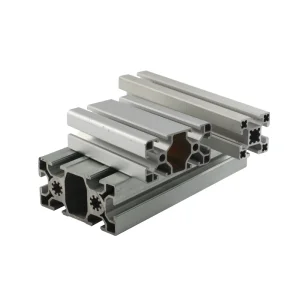
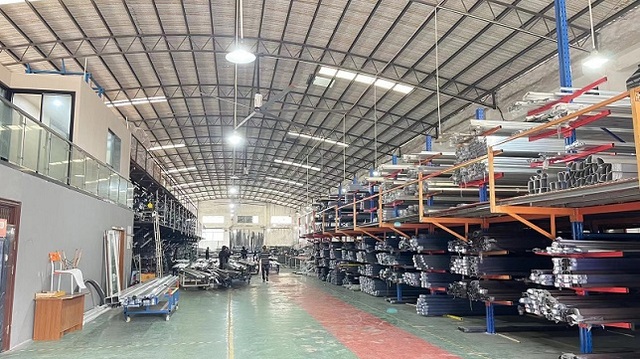
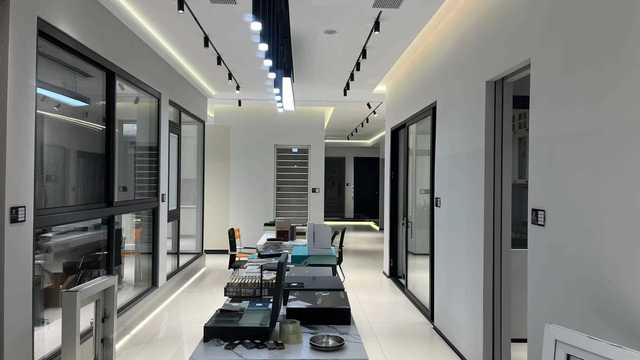
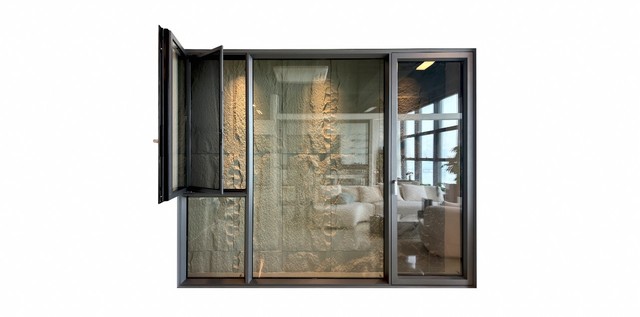
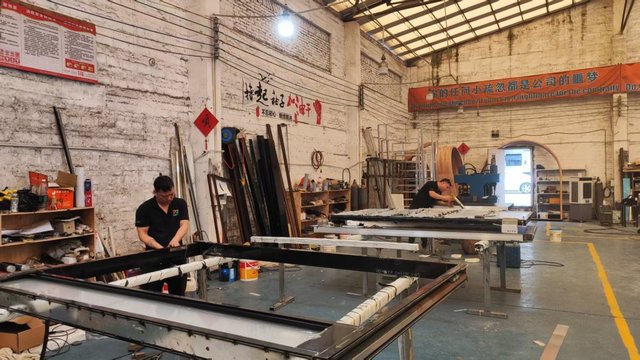
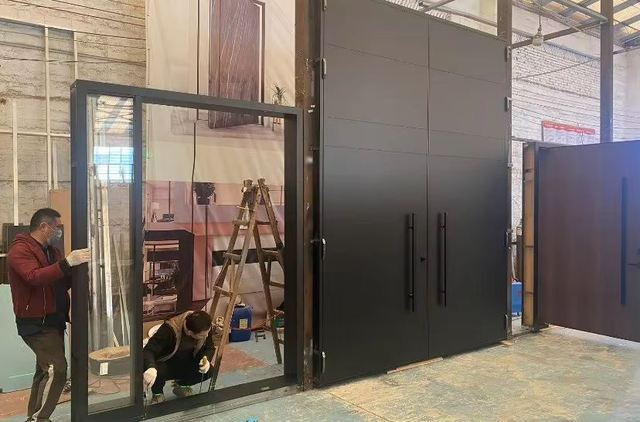
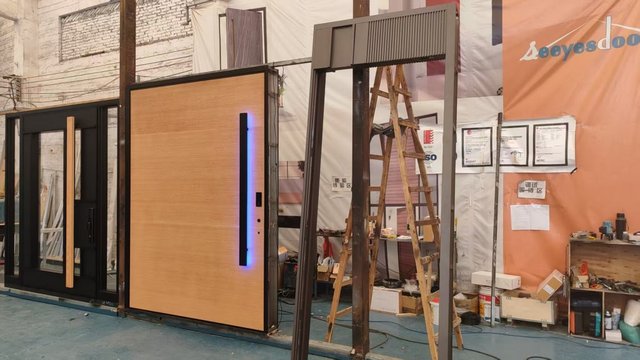
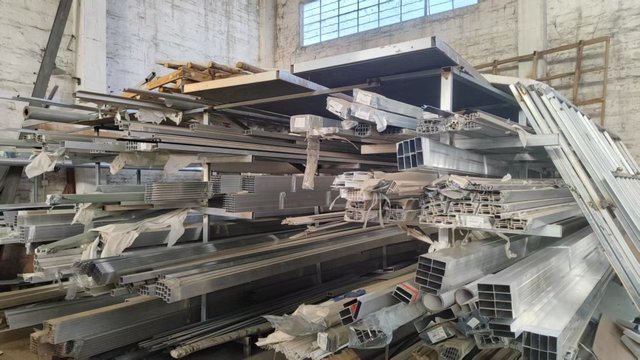
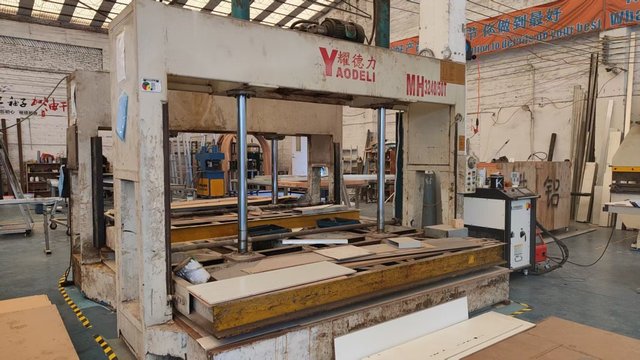
Our state-of-the-art facilities ensure precise tolerance levels and long-lasting mechanical wear. Review our advanced production equipment and structural component displays below:
Direct insights for engineers, procurement directors, and project developers importing into Brazil.
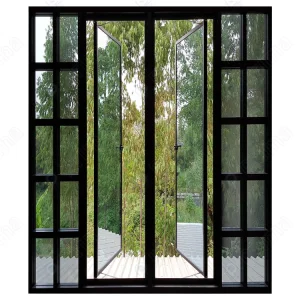
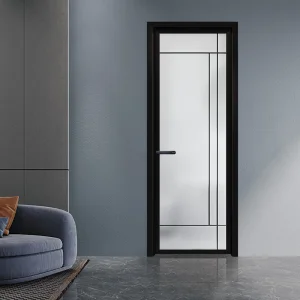
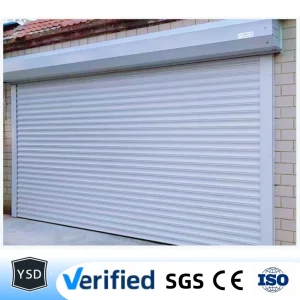
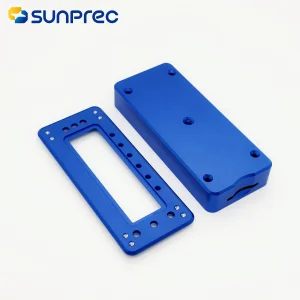
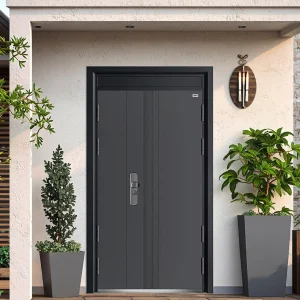
Browse our complete range of specialized sliding, folding, security, and profile systems.
From customized structural calculations to comprehensive maritime export logistics, our team is equipped to deliver NBR-compliant aluminum systems directly to your project site.
Send Inquiry Now Gerald Doors