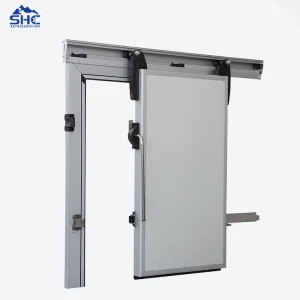
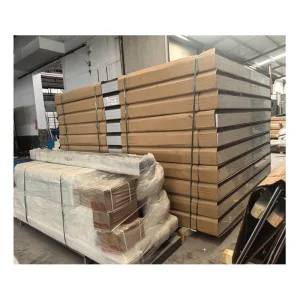
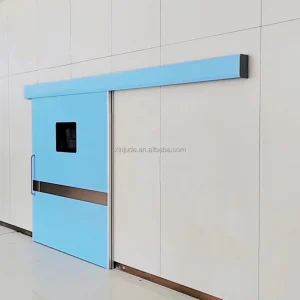
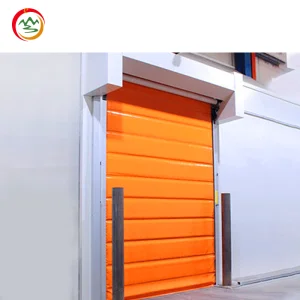
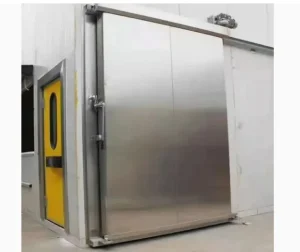
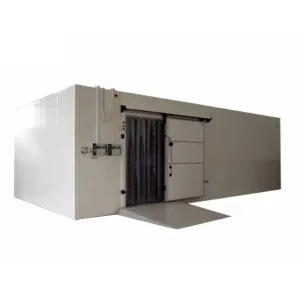
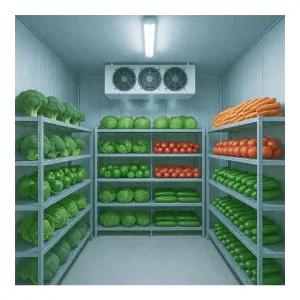
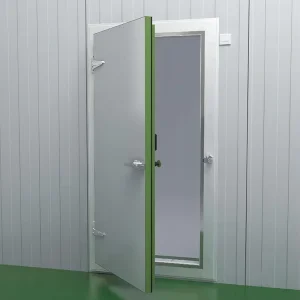
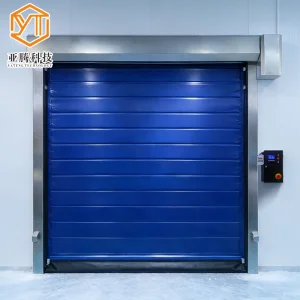
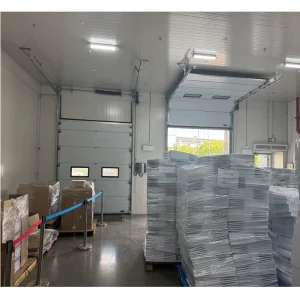
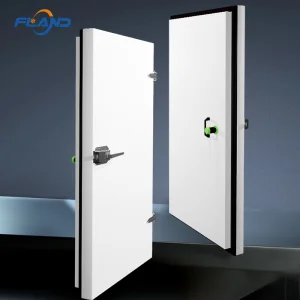
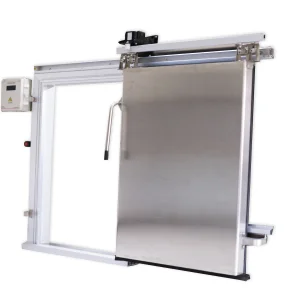
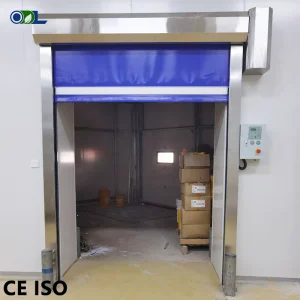
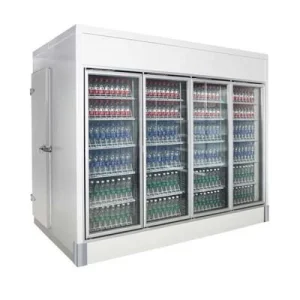
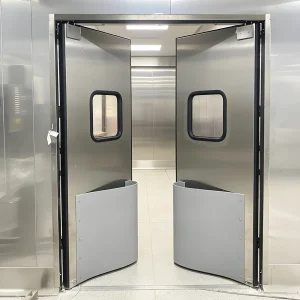
Engineered for cold storage efficiency, these four initial models represent our most requested solutions across Austrian food distribution hubs.
How ecological directives and logistical transitions are rewriting the requirements for commercial cold storage infrastructure in Central Europe.
Austria is strategically positioned as a core logistics hub in Central Europe, acting as a gateway between Western and Eastern Europe. The transport pathways through the Alps (such as the Brenner Pass and Tauern Autobahn) experience dense heavy vehicle freight movement. Given Austria's demanding mountainous terrains and varying regional climates, refrigeration equipment must perform reliably under seasonal shifts. Local logistics terminals in Vienna, Linz, Graz, and Salzburg require high-performance thermal barriers to maintain stable storage conditions while optimizing energy usage.
Additionally, the Austrian domestic market is characterized by premium agricultural sectors (dairies, meat processors, organic vineyards) and a robust pharmaceutical distribution framework. These industries require thermal isolation components that conform to IFS (International Featured Standards) for food safety, HACCP regulations, and EU GAMP cleanroom requirements.
Austrian facilities must adhere to the Austrian Energy Efficiency Act (EEffG), which translates strict EU Directives into local mandates. Thermal loss at door thresholds is a primary target of energy conservation audits. Cold storage doors can no longer just serve as a physical barrier; they must provide certified thermal transmittance ratings (U-values) and comply with ÖNORM EN 13241-1 standards for safety, wind load resistance, and operation.
"By switching to high-speed zipper doors and magnetic gasket double-swing gates, European storage operators see up to a 30% reduction in compressor duty cycles."
| Standard / Regulation | Relevance to Cold Storage Doors | Required Compliance Target |
|---|---|---|
| ÖNORM EN 12428 | Thermal insulation verification (U-Value calculation method) | U-value below 0.22 W/m²K for low-temp freezers |
| HACCP / IFS Food | Hygiene guidelines for surfaces, washdowns, and seals | Non-porous, smooth stainless steel; non-toxic anti-fungal gaskets |
| EU F-Gas Regulation | Reduction of refrigerant leaks through efficient thermal zoning | Hermetic sealing to decrease localized compressor thermal stresses |
| ÖNORM EN 13241 | Safety devices, wind load ratings, and anti-crash performance | CE certified auto-reversing safety edges for automated doors |
From cleanroom vaccine hubs to high-altitude food preservation, cold storage requirements vary by industry. Here is how our product range integrates into Austrian infrastructure.
Concentrated around Linz and Vienna, pharmaceutical hubs demand air-tight, automated sliding doors. Materials must withstand regular chemical disinfection cycles and maintain positive air pressure differentials to prevent contamination.
Styrian and Tyrolean dairy processing facilities rely heavily on high-speed PVC doors. Because heavy machinery transitions between sub-zero processing rooms and warm loading bays, fast cycle times are crucial to prevent ice accumulation.
Large distribution yards face high wind loads and sub-zero temperatures. Heavy-duty vertical lift doors with high-density polyurethane (45 kg/m³) provide thermal stability and wind resistance up to Class 3 (EN 12424).
These models are designed for pharmaceutical containment, heavy traffic flow, and ultra-high-efficiency operations in Austrian facilities.
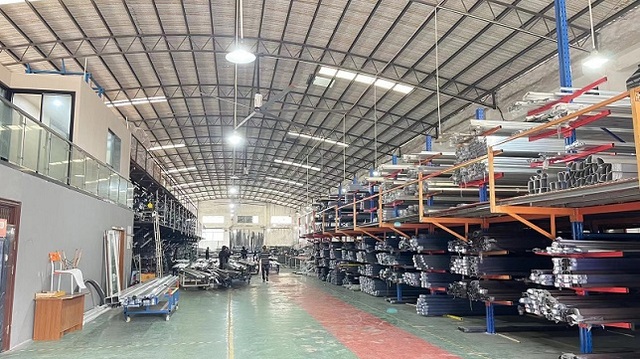
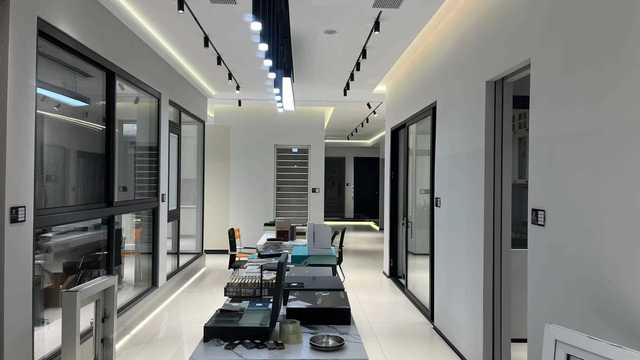
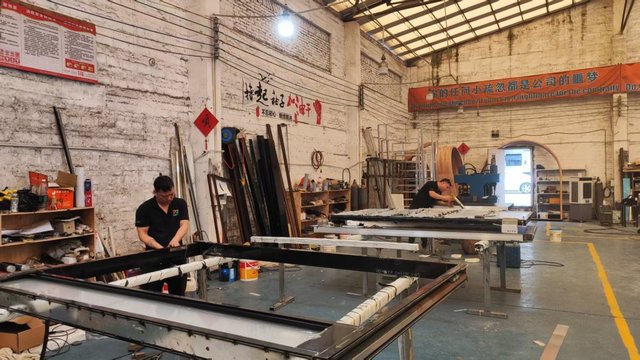
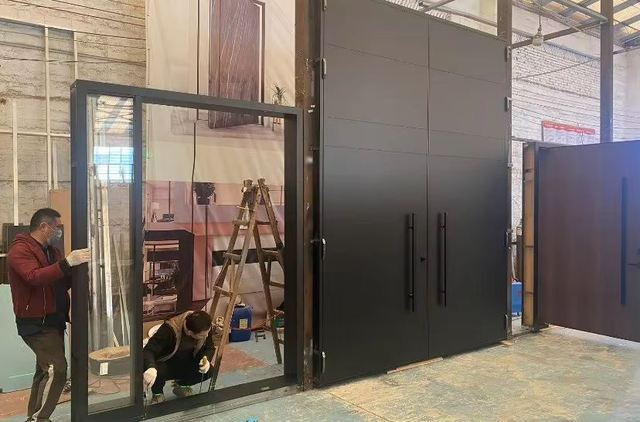
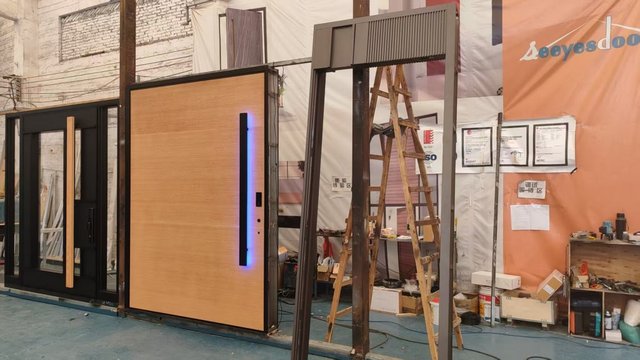
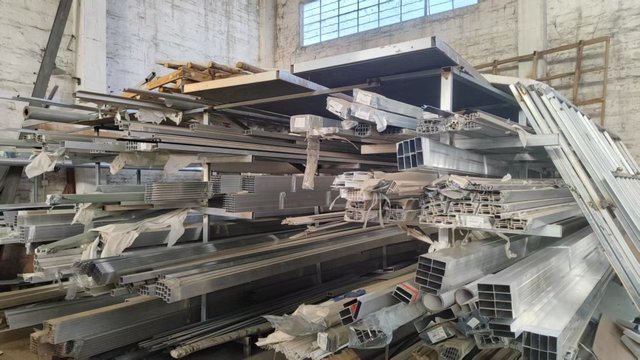
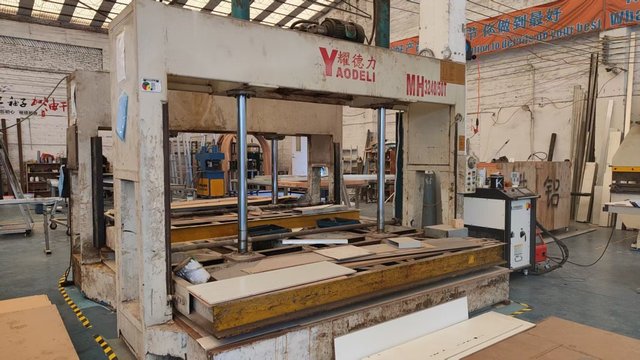
Utilizing advanced production facilities, customized engineering processes, and optimized shipping pathways to deliver quality door solutions worldwide.
Dongguan Gerald Doors Co., Ltd. is a leading manufacturer specializing in residential, commercial, and industrial door solutions. With an emphasis on precision engineering, we design access systems for modern logistics hubs, storage spaces, and processing facilities. Our production plants integrate advanced laser cutting, automated foaming, and strict quality control processes to ensure every door complies with international performance and safety standards.
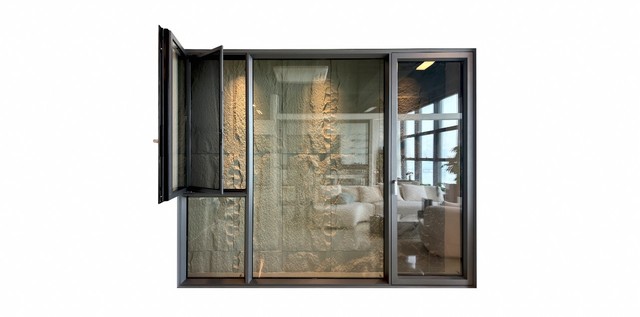
Our product portfolio includes industrial overhead doors, sectional doors, high-speed doors, cold storage sliding doors, and specialized marine-grade access doors. By sourcing high-grade steel and polyurethane insulation materials and using automated CNC assembly techniques, we manufacture doors that provide dependable service life and thermal performance.
From simple static barriers to responsive cyber-physical systems integrated into automated warehouse execution protocols.
The core of our cold room doors consists of custom-blended, high-density, fire-retardant polyurethane (PU). Unlike standard PIR board constructions, our continuous high-pressure injection process eliminates internal voids, ensuring consistent thermal resistivity across the entire surface. We wrap this insulation in double-sided marine-grade SUS316 stainless steel or anti-scratch structural steel, providing the durability needed for high-frequency washdown environments.
Additionally, our doors feature integrated electric frame heating systems. Driven by self-regulating PTC heating cables, these units adjust their power output based on ambient humidity and temperature, preventing frost formation along the gaskets without consuming excessive energy.
Modern storage facilities require automated, rapid-acting doors to minimize air exchange. Our high-speed PVC roll-up models use German-engineered SEW-EURODRIVE motors paired with variable frequency drives (VFD) for controlled acceleration and deceleration. The system integrates multiple safety features, including photo-eye sensors, wireless safety edges, and loop detectors. For cleanrooms, radar sensors detect approaching operators to enable touchless access, helping to maintain clean, hygienic conditions.
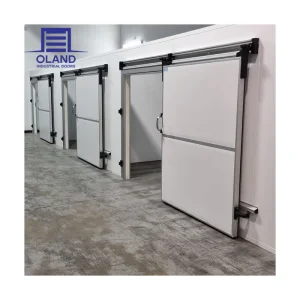
Discover our comprehensive range of high-performance sliding, swing, and high-speed doors designed to improve operational workflow in Austria's cold chains.
Expert answers regarding compliance, design parameters, customs procedures, and logistics for Austrian facilities buying from our factory.
 Gerald Doors