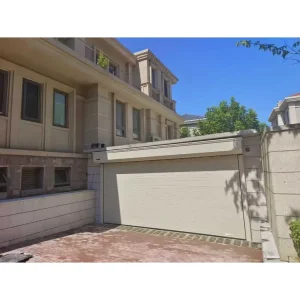
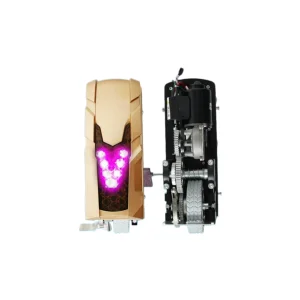
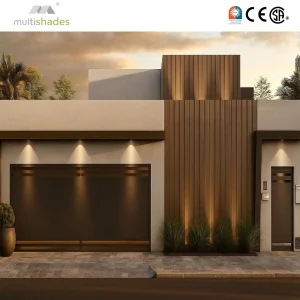
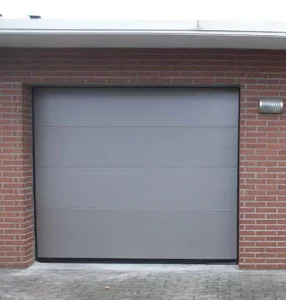
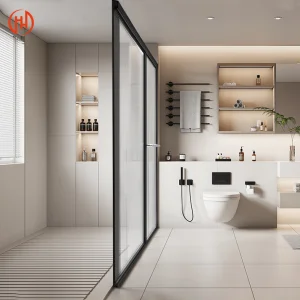
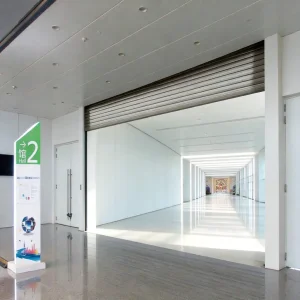
High-efficiency automation systems tailored for the Italian market architecture.
Rome, the "Eternal City," is undergoing a massive digital transformation in its built environment. Beyond its historical façade, the Greater Rome area—including the vital logistics hubs near Fiumicino (Leonardo da Vinci Airport) and the industrial corridors of Pomezia and Guidonia—is demanding smarter, more efficient door automation systems. As a premier exporter to Italy, Dongguan Gerald Doors Co., Ltd. recognizes that Rome's requirements are unique: a blend of rigorous EU safety compliance (EN 13241-1) and a need for aesthetic integration with historical architecture.
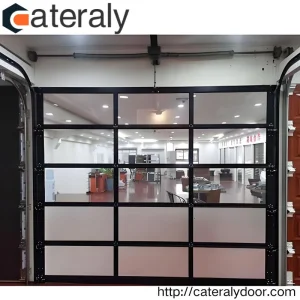
The current industrial landscape in Rome is shifting toward "Phygital" infrastructure. Warehouses and distribution centers serving the Lazio region are moving away from manual gates to IoT-enabled high-speed sectional doors. These systems minimize thermal loss—critical for energy efficiency in Italy's fluctuating Mediterranean climate—while ensuring rapid logistics flow. For the commercial sector, particularly high-end boutiques in Via dei Condotti or sprawling malls like Porta di Roma, automation must be invisible, silent, and highly reliable.
Reliability Rate
Energy Savings
Sensor Latency
Monitoring
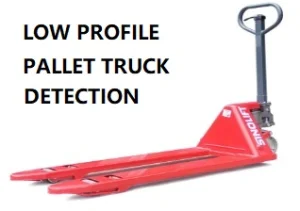
Integration of microwave radar and AI vision to distinguish between human pedestrians and vehicles, optimizing opening times and safety.
Standardizing smart door connectivity for seamless integration with European smart building ecosystems like Apple HomeKit and KNX.
Cloud-based diagnostics that notify facility managers in Rome before a component fails, reducing downtime in critical logistics paths.
At Gerald Doors, we don't just supply hardware; we engineer Holistic Access Ecosystems. Our "Smart Rome" initiative focuses on three pillars:
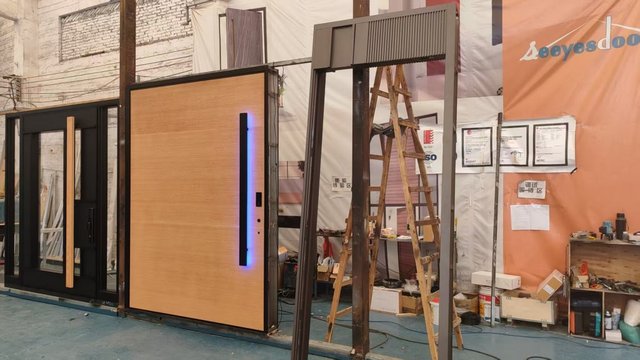
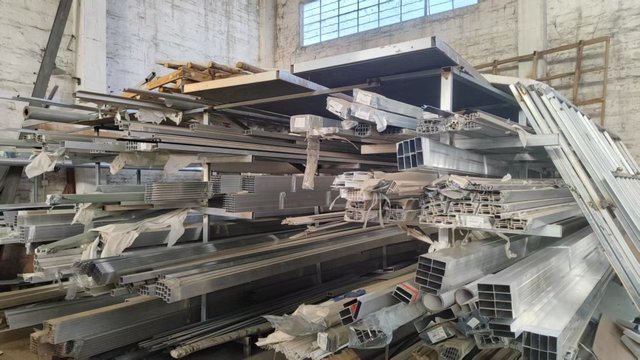
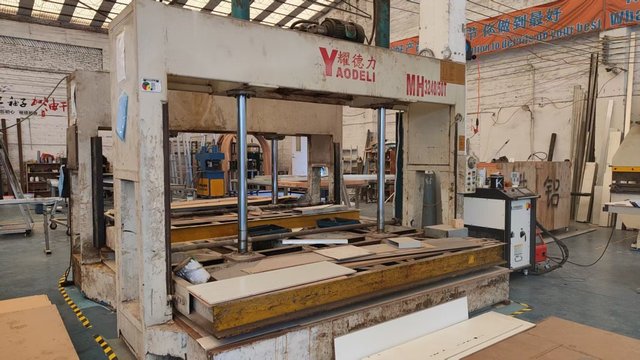
Dongguan Gerald Doors Co., Ltd. operates at the forefront of Industry 4.0. Our manufacturing facility in Dongguan utilizes robotic precision welding, automated powder coating lines, and rigorous ISO-certified quality control. For our Rome-based partners, this translates to:
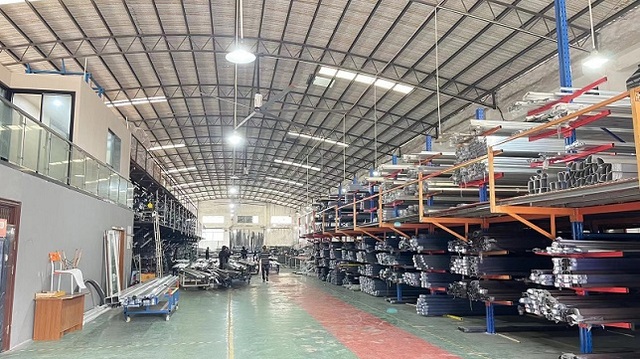
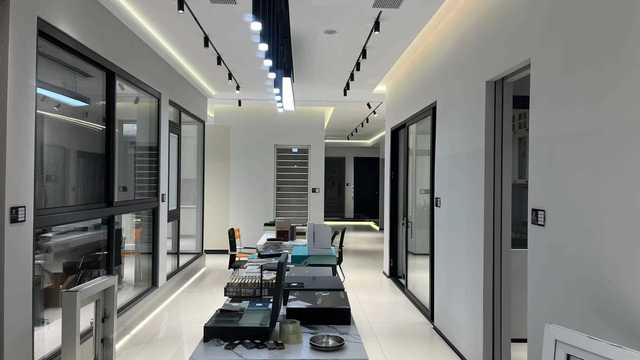
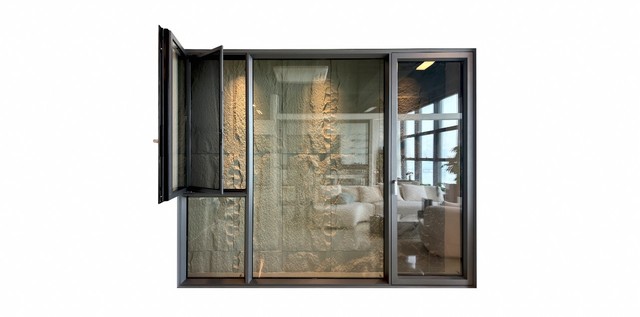
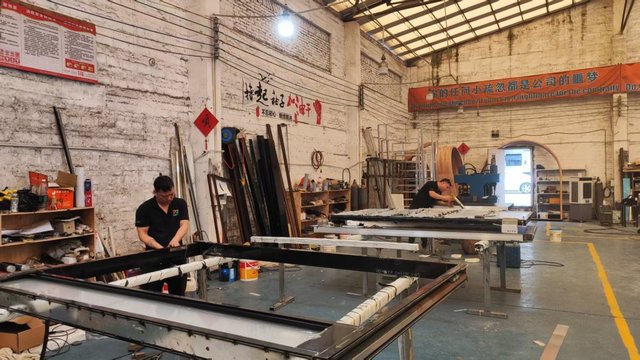
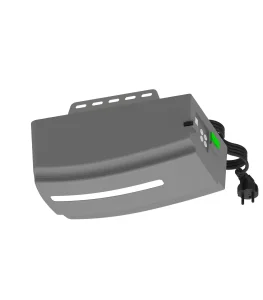
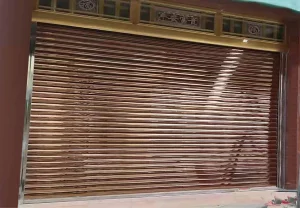
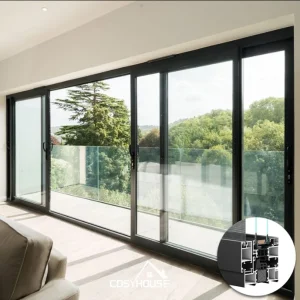
Advanced automation for every application, from industrial logistics to smart bathrooms.
Navigating the Italian regulatory framework for construction (Normative Italiane) requires a partner who understands CE Marking and UNI standards. Dongguan Gerald Doors ensures all products exported to Rome meet the stringent safety requirements for force limitation in automated doors. We provide comprehensive documentation in Italian and English, including wiring diagrams and maintenance schedules designed for Italian facilities management firms.
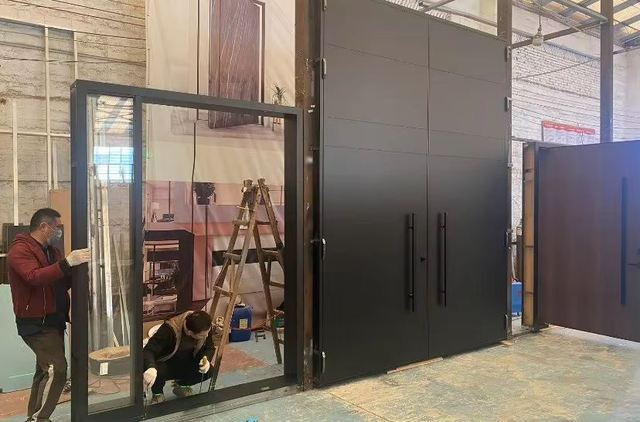
All our motors and controllers are designed for 230V 50Hz operation, standard in Italy. We also provide surge protection components to handle local power grid fluctuations.
Yes, our systems support RS485 and dry contact interfaces, making them compatible with common European systems like KNX, BTicino, and Vimar.
Via sea freight to the Port of Civitavecchia, it typically takes 30-35 days. For urgent projects, air freight to Fiumicino takes approximately 5-7 days.
We provide detailed technical documentation and 24/7 video support for local contractors. For large-scale industrial projects, we can coordinate with local Italian engineering partners.
 Gerald Doors