Analyzing airtight sealing, negative pressure maintenance, and architectural containment protocols.
In the contemporary landscape of high-precision manufacturing, biotechnology, and chemical synthesis, maintaining absolute environmental control is no longer a luxury—it is a critical regulatory and operational mandate. Industrial facilities require advanced architectural barriers capable of containing particulate matter, gaseous chemical vapors, microbiological organisms, and cross-contaminants. Pollution Control Doors form the primary barrier in zone-segregation strategies, mitigating risks associated with atmospheric pressure failure, particulate leakage, and chemical escape.
Dongguan Gerald Doors Co., Ltd. is a leading China garage door manufacturer specializing in residential, commercial, and industrial door solutions for customers worldwide. With a strong focus on quality, innovation, and reliability, Gerald Doors provides a comprehensive range of entrance and access systems designed to meet the needs of modern buildings, warehouses, logistics centers, factories, and residential properties. Recognizing the critical global shift toward environmental compliance, we leverage our advanced engineering capabilities to design and supply high-integrity containment systems that ensure compliance with EU directives, GMP cleanroom standards, and international safety regulations.
Our engineering expertise addresses complex thermodynamic and fluid-mechanical problems, such as preventing turbulence at the door boundary during high-speed operation, maintaining reliable hermetic compression seals under negative pressure cascades, and integrating structural materials that withstand persistent decontamination cycles using vaporized hydrogen peroxide (VHP) or ozone.
Our specialized pollution control partitions undergo stringent EN 13241-1 testing, ensuring structural durability, wind-load resistance, thermal barrier efficiency, and absolute safety in high-cycle industrial settings. By combining precision steel engineering with automated pressure seals, we protect both human capital and product integrity.
Custom containment architectures engineered for unique regulatory and physical environments.
Pharmaceutical processes require strict validation under GMP Annex 1. Our airtight cleanroom doors are equipped with dynamic inflatable seals or premium neoprene wipe-down gaskets that prevent clean-zone cross-contamination. Smooth, non-porous surfaces prevent bacterial colonization and withstand frequent sterilization cycles using caustic chemical agents.
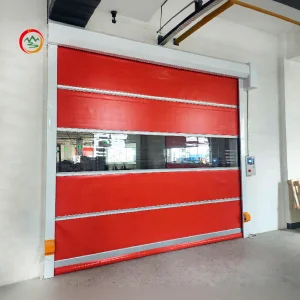
In sub-micron silicon fabrication plants (Fabs), even a single airborne particle can ruin entire batches of wafers. Our rapid-action high-speed doors feature anti-static, low-outgassing PVC curtains. They minimize pressure loss during material transfer, maintaining stable Class 100 (ISO 5) environments through rapid cycle times.
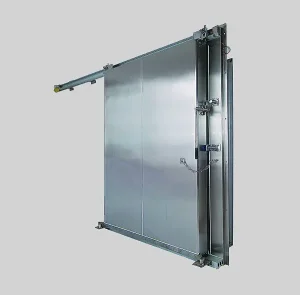
For chemical formulation and petrochemical storage facilities, safety is paramount. We engineer custom steel pollution control doors with ATEX-certified mechanical components and pneumatic actuator systems. These solutions eliminate electrical spark risks while containing harmful volatile organic compound (VOC) emissions within targeted processing zones.
Innovating at the intersection of material science, IoT control, and environmental efficiency.
Future containment architectures will rely heavily on active pneumatic sealing. When the door closes, microprocessors inflate a high-grade silicone seal around the perimeter, achieving zero-leakage rates. These systems are connected to smart airlock control units, preventing simultaneous opening of clean/dirty zones and maintaining safe pressure cascades.
Sustainability is driving material innovation. Dongguan Gerald Doors is exploring lightweight structural nanocomposites that offer high chemical resistance with half the weight of traditional steel. This reduction in mass allows for faster open/close cycles, lowering the energy demands of high-speed industrial operators.
Equipped with smart sensors, future containment doors will continuously monitor seal pressure, cycle counts, motor temperature, and alignment deviations. Real-time diagnostic data is transmitted to centralized Building Management Systems (BMS), allowing facilities to perform predictive maintenance before seal degradation compromises containment zone integrity.
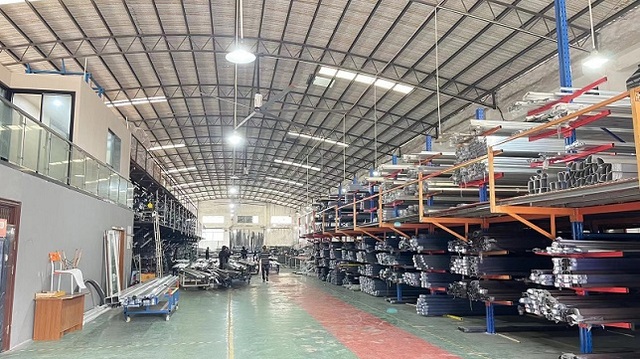
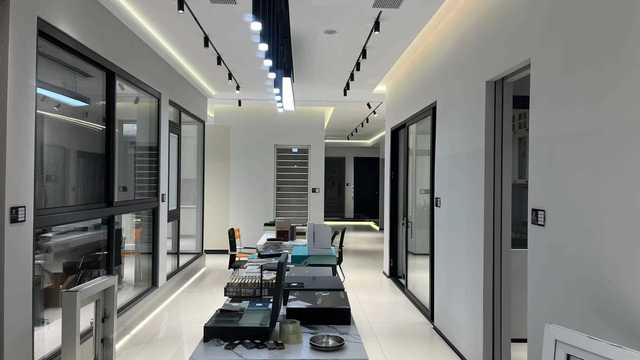
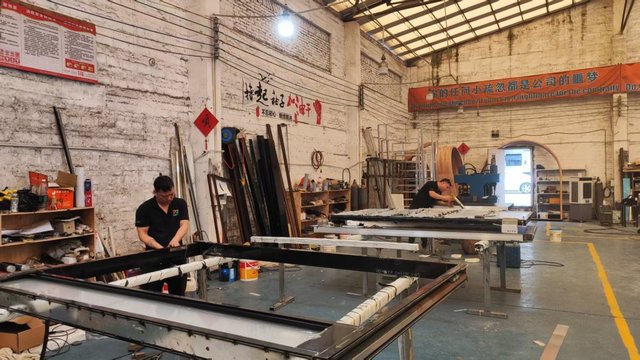
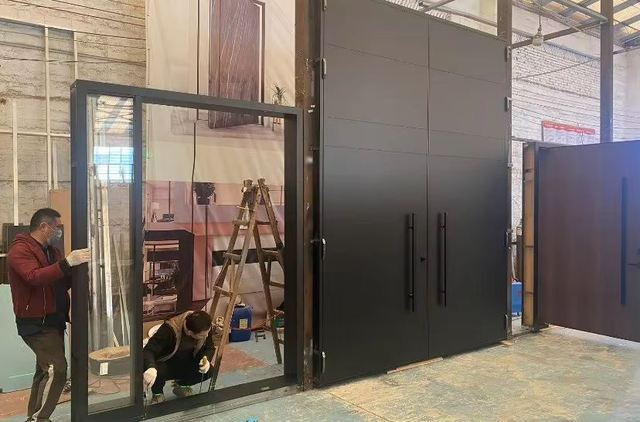
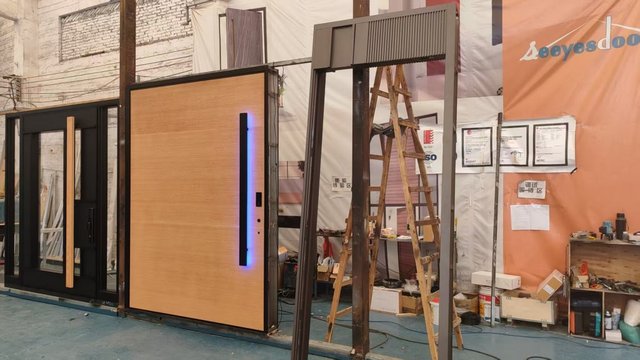
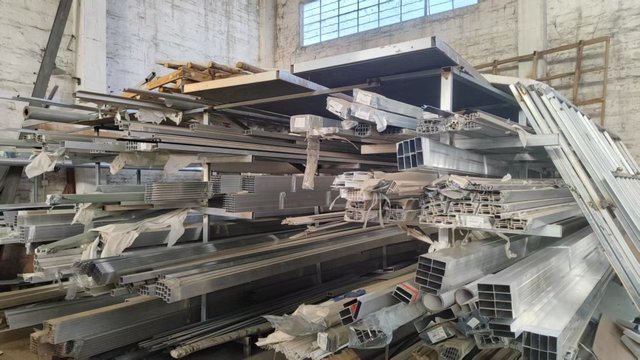
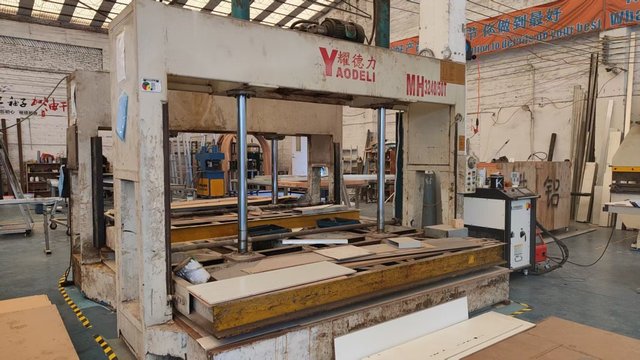
Inside Gerald Doors' advanced manufacturing plant in Dongguan.
Our manufacturing plant in Dongguan integrates advanced production technologies with automated fabrication processes to deliver high-quality industrial systems. Our facility is equipped with automated laser-cutting tables, robotic welding cells, and automated powder-coating lines. This level of automation ensures consistent dimensions and structural integrity for every door panel and structural track we produce.
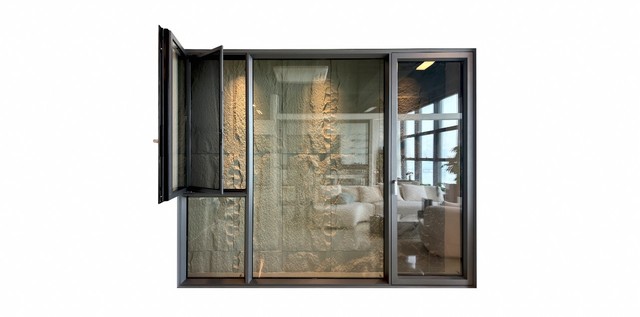
Our product portfolio includes residential garage doors, commercial garage doors, industrial overhead doors, sectional doors, roller shutter doors, high-speed doors, fire-rated doors, security doors, and customized access solutions. Engineered with premium materials and advanced manufacturing technologies, our products are designed to deliver superior durability, safety, energy efficiency, and long-term performance in diverse operating environments.
By keeping key production processes in-house, we maintain a resilient supply chain that mitigates global logistics risks. From sourcing raw steel and high-molecular-weight polymers to assembling advanced electronic controllers, our rigorous quality control system ensures that every product leaving our factory meets strict performance and safety standards.
Dongguan Gerald Doors Manufacturing Facility & Operations
Navigating structural specifications, thermal values, and international engineering guidelines.
International procurement managers and facility engineers evaluate cleanroom and containment doors on a variety of strict performance metrics. It is critical to balance regulatory compliance with long-term cost of ownership (TCO). When specifying pollution control partitions, project stakeholders should prioritize the following performance standards:
At Gerald Doors, we work closely with engineering teams to develop customized solutions that match specific dimensions, operational needs, architectural styles, and performance standards. From design and manufacturing to quality control and delivery, we maintain strict production processes to ensure consistent product excellence across global markets, including North America, Europe, the Middle East, and Southeast Asia.
Providing end-to-end service, engineering support, and on-site commissioning across international markets.
Ensuring compliance for pollution control doors goes beyond the manufacturing line. Real-world performance depends heavily on professional installation, precise frame leveling, and correct sensor configuration. Dongguan Gerald Doors Co., Ltd. provides comprehensive technical documentation, detailed structural drawings, and installation guides to support local engineering partners during commissioning.
For large-scale industrial projects, we offer engineering consultations to assist with control-logic integration. We ensure that our door controllers communicate with your Facility Management systems, fire alarms, and air shower airlocks. This end-to-end approach guarantees that your barrier system operates safely and effectively under real-world conditions.
Answers to common engineering questions about containment integrity, maintenance, and structural standards.
 Gerald Doors