Explore our premium selection of industrial high-speed, structural garage, and thermal-insulated door systems configured for maximum duty cycle and efficiency.
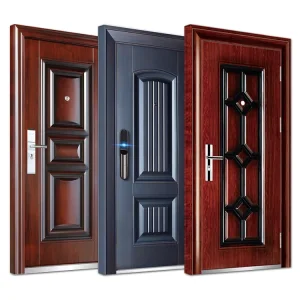

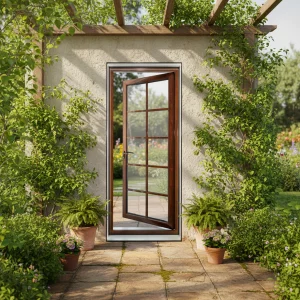
An engineering assessment of fatigue lifecycle limits, structural stability, thermal insulation parameters, and sensor automation in high-frequency commercial logistics.
In modern industrial logistics, distribution hubs, cold storage facilities, and high-intensity manufacturing complexes, the structural integrity of entry points governs overall supply chain velocity. Standard commercial overhead doors are designed for basic open-and-close cycles, typically rated for 10,000 to 25,000 operations. However, high-traffic industrial facilities require specialized High-Cycle Door Systems rated for 100,000 to over 1,000,000 life-cycle operations without spring failure or track deformation.
Dongguan Gerald Doors Co., Ltd. is a leading China garage door manufacturer specializing in residential, commercial, and industrial door solutions for customers worldwide. With a strong focus on quality, innovation, and reliability, Gerald Doors provides a comprehensive range of entrance and access systems designed to meet the needs of modern buildings, warehouses, logistics centers, factories, and residential properties.
Our product portfolio includes residential garage doors, commercial garage doors, industrial overhead doors, sectional doors, roller shutter doors, high-speed doors, fire-rated doors, security doors, and customized access solutions. Engineered with premium materials and advanced manufacturing technologies, our products are designed to deliver superior durability, safety, energy efficiency, and long-term performance in diverse operating environments.
To withstand the physical stresses of frequent opening cycles, high-cycle overhead doors utilize springless direct-drive motors or heavy-duty torsion springs utilizing stress-relieved, shot-peened wire. Unlike basic residential garage doors, industrial high-cycle variants use high-tensile steel track configurations (up to 3-inch 12-gauge hot-dipped galvanized steel) stabilized by heavy-duty continuous support angles. This reduces lateral vibration and track runout during operation, mitigating premature wear on standard components such as rollers, cables, and structural hinges.
Empirical engineering benchmarks verifying quality assurance, structural lifecycle testing, and global logistics execution.
How Dongguan Gerald Doors integrates premium industrial raw materials, advanced robotic processing, and optimized global logistics to lower Total Cost of Ownership (TCO).
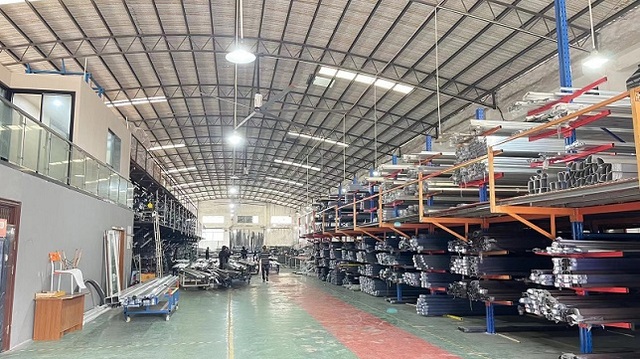
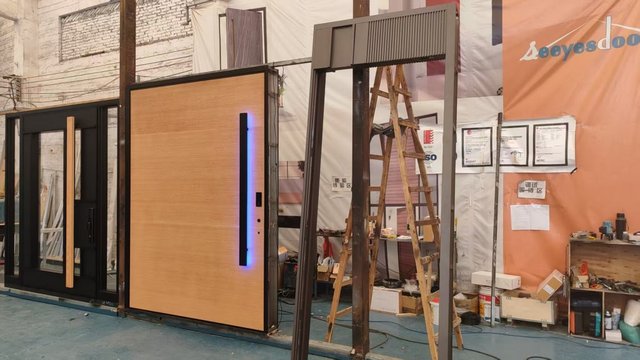
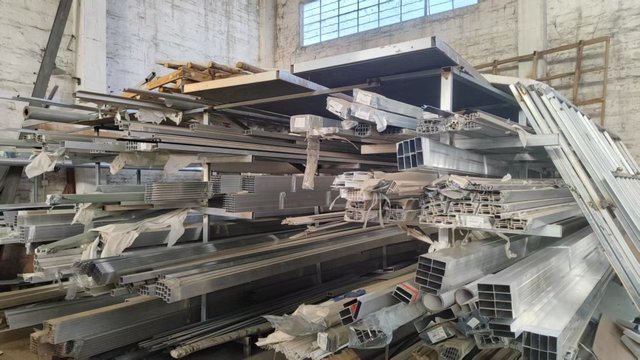
Sourcing high-cycle door systems from specialized manufacturing regions like Dongguan, China, offers global procurement teams distinct advantages in engineering customizability, raw material availability, and production throughput. Gerald Doors leverages the local industrial ecosystem to source high-grade galvanized steel, high-purity aluminum alloys, and micro-controller automation systems at highly competitive economies of scale.
At Gerald Doors, we understand that every project has unique requirements. Our experienced engineering and production teams work closely with customers to develop tailored solutions that match specific dimensions, operational needs, architectural styles, and performance standards. From design and manufacturing to quality control and delivery, we maintain strict production processes to ensure consistent product excellence.
Serving clients across North America, Europe, the Middle East, Southeast Asia, and other global markets, Gerald Doors has built a reputation for dependable products, responsive customer service, and competitive manufacturing capabilities. We continuously invest in research and development to improve product functionality, automation technologies, and smart access solutions that support the evolving demands of residential and industrial applications.
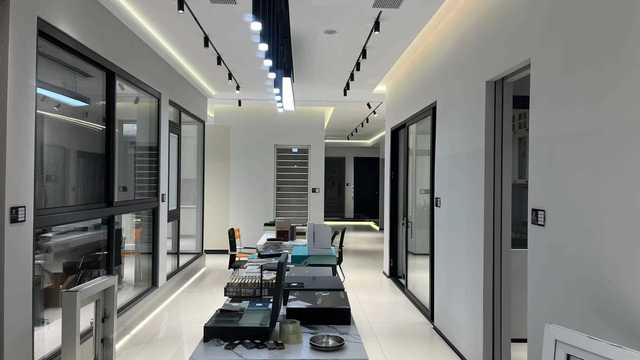
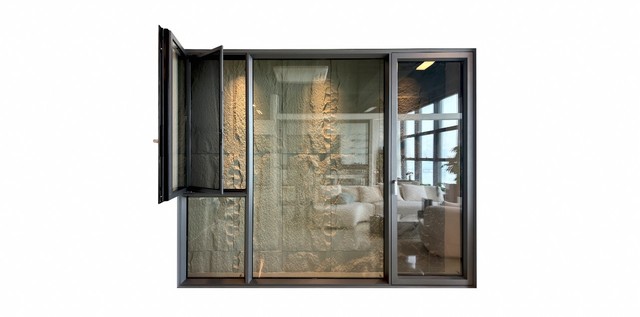
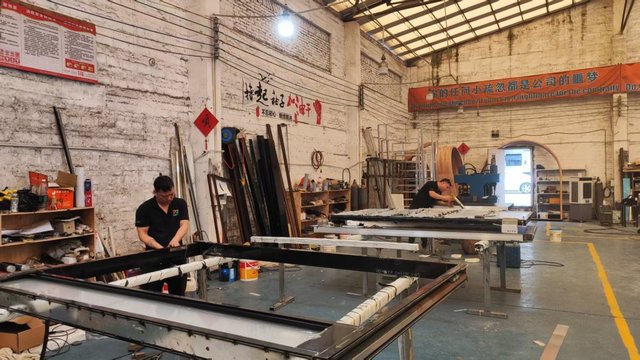
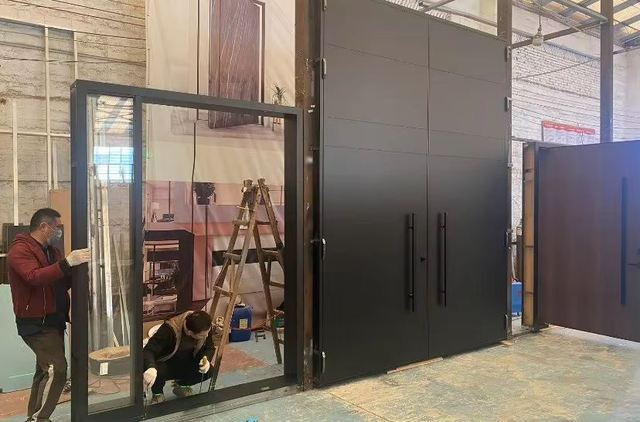
Analyzing how specialized high-cycle door assemblies perform under high wind loads, extreme temperature variations, and automated material handling environments.
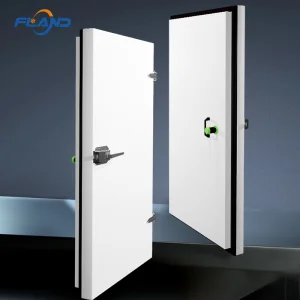
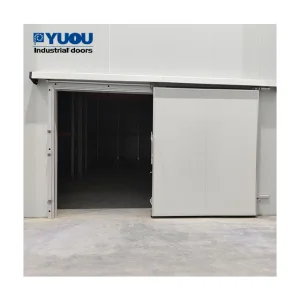
In automated refrigerated facilities, minimizing thermal loss is crucial. The combination of our Insulated Cold Room Sliding Door and high-speed PVC curtain doors creates an optimized thermal barrier. Continuous rubber weather-stripping, dual-path heating cables (to prevent ice build-up), and thick sandwich panel configurations maintain steady negative temperatures down to -30°C. This setup prevents frost development and limits convective heat exchange during forklift passages.
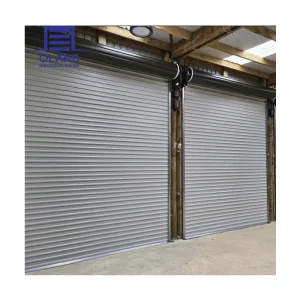
Coastal logistics hubs and manufacturing plants in high-wind regions require robust structural reinforcement. Gerald Doors' Heavy Duty Windproof Steel Roller Shutter Doors feature double-layer roll-formed galvanized steel curtains with end-locks that slide into reinforced, deep-channel side guides. These components are designed to withstand positive and negative wind loads up to Class 4 (EN 12424), ensuring facility security and structural integrity during severe weather events.
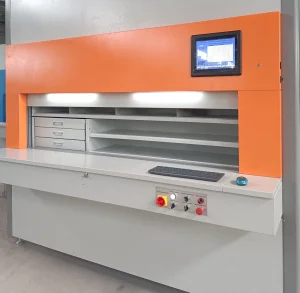
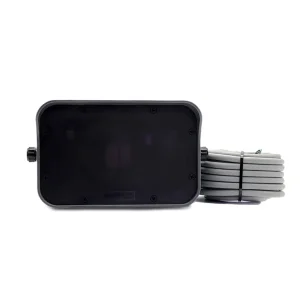
Smart warehouses using vertical carousels (such as the HWH Series) rely on automated access doors for product protection and environmental control. Integrating Dual Band Waterproof Anti-Metal RFID Access Control Cards and Doppler motion sensors ensures that doors open and close in sync with transport systems. This minimizes operational delay, increases process safety, and provides real-time access logging for inventory tracking.
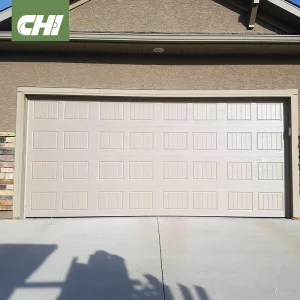
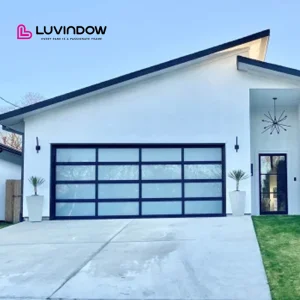
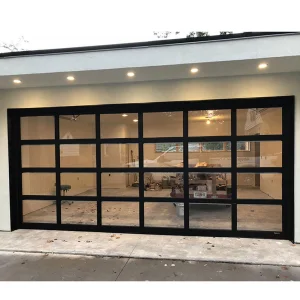
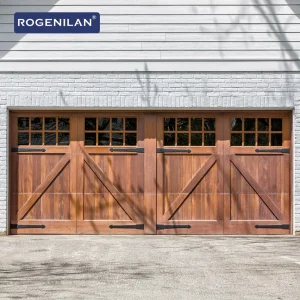
High-end residential projects require a balance of security, thermal insulation, and architectural integration. Our premium Hurricane-Proof Insulated Sectional Doors combine double-layer steel or structural aluminum alloys with tempered glass. This provides excellent wind resistance, sound dampening properties, and contemporary aesthetics, while maintaining long-term reliability for private estates.
A comprehensive guide for supply chain managers, general contractors, and structural engineers sourcing high-cycle doors.
Procuring specialized access systems from China requires clear alignment on technical standards and engineering certifications. Sourcing managers must evaluate suppliers beyond unit prices, analyzing the overall Life-Cycle Cost (LCC) and total cost of ownership. Over a ten-year operational span, the cost of parts replacement, field downtime, and energy loss from poor thermal seals can exceed the original acquisition cost by up to 300%.
Expert answers to common questions about high-cycle door design, installation, maintenance, and logistics.
High-cycle doors are engineered to withstand continuous, high-frequency operation without structural fatigue. The main differences are in the hardware and motor systems. Standard doors rely on torsion springs designed for limited cycles (10,000–25,000). High-cycle systems utilize springless direct-drive motors with Variable Frequency Drives (VFD) or heavy-duty, double-helical torsion springs designed for up to 100,000 cycles. They also feature thicker tracks, heavy-duty rollers with precision ball bearings, and reinforced hinges.
The density of the polyurethane core directly affects the door's thermal performance and structural rigidity. A density of 40 kg/m³ ensures the polyurethane foam fills the sandwich panel completely, eliminating internal voids. This high density provides structural strength to resist wind loads and reduces the thermal transmission coefficient (U-value). This helps minimize thermal transfer and lower energy costs in climate-controlled facilities.
Doppler radar sensors (operating at 24.15 GHz) track the motion and direction of approaching vehicles or personnel. Unlike static photo-eyes, these sensors can distinguish between moving traffic and cross-traffic, preventing unnecessary door openings. This improves traffic flow, reduces cycles, keeps the door closed when not needed, and helps maintain internal climate control.
High-wind installations require reinforced wind bars on the panels, heavier-gauge steel tracks, and specialized end-locks to prevent the curtain from slipping out of the guides. The structural assembly must meet specific wind load certifications (such as EN 12424 Class 4/5 or regional wind-borne debris standards). This ensures the door remains secure under severe wind pressures.
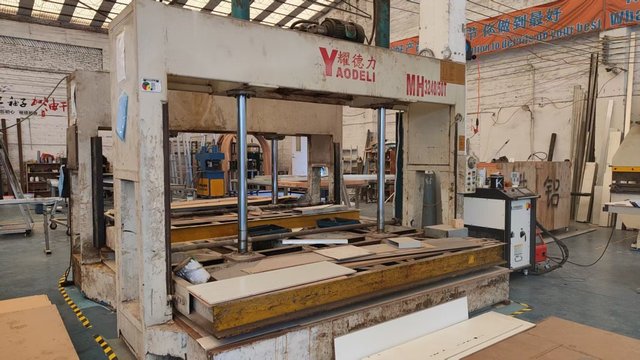
We maintain strict quality control processes throughout manufacturing. All structural components, steel panel sheets, and hardware parts undergo strict inspection. In addition, our electrical components and motor assemblies carry CE and ISO certificates. Finished products are pre-assembled and run-tested on-site before shipping to ensure they function properly.
We package door panels in thick PE protective wrapping and place them in heavy-duty cardboard boxes or custom wooden crates. The panel faces are separated by PE foam sheets to prevent surface scratching. Corner guards protect panel interlocking joints from impact damage during transport, and nested packing is used to optimize shipping container space.
Explore additional heavy-duty sectional overhead systems, residential design variants, and fire-resistant configurations.
 Gerald Doors