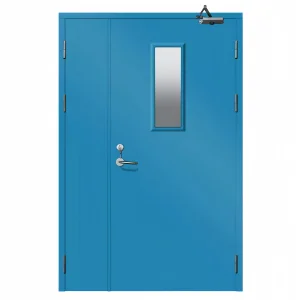
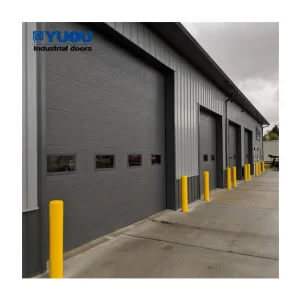
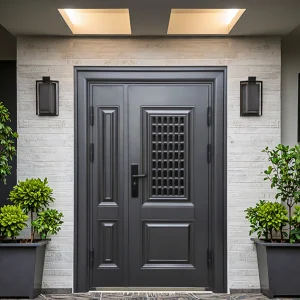
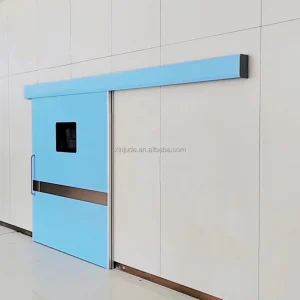
Explore our leading catalog of certified high-performance acoustic, thermal, and security door systems engineered for extreme operational demands.
An in-depth guide to decibel attenuation, structural design, and global compliance standards in commercial noise control.
In modern industrial, commercial, and multi-family residential construction, controlling environmental noise and internal machinery vibration is no longer a luxury—it is a regulatory and functional imperative. High-performance Soundproof Door Systems act as critical barriers in architectural acoustics, preventing acoustic leakage and maintaining structural isolation. A minor design flaw in the door system, such as an incomplete seal or incorrect core density, can degrade a wall's acoustic rating from STC 55 to STC 25, undermining substantial structural investments.
Acoustic performance is measured globally using two primary standards: Sound Transmission Class (STC) in North America (governed by ASTM E90 and ASTM E413) and Weighted Sound Reduction Index (Rw) in Europe and international markets (ISO 10140-2). These ratings quantify a door assembly's transmission loss across a standard frequency spectrum (125 Hz to 4000 Hz). In industrial test cells, engine testing rooms, and broadcasting facilities, low-frequency rumble (below 125 Hz) requires customized door builds utilizing specialized mass-loaded damping layers to counteract resonance.
Achieving ratings of STC 45, STC 50, or STC 55+ requires a multi-layered composite design that deviates significantly from standard hollow metal doors:
Why international architects, contractors, and industrial developers partner with Chinese manufacturers for high-spec acoustic solutions.
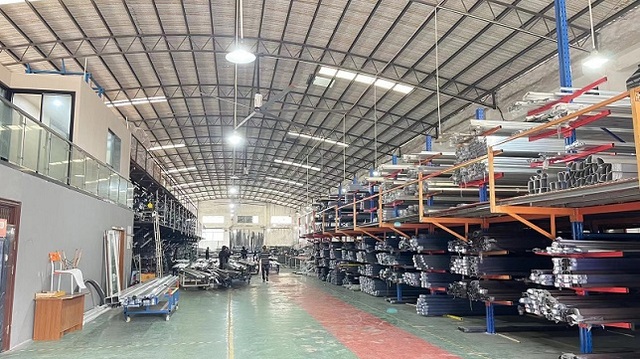
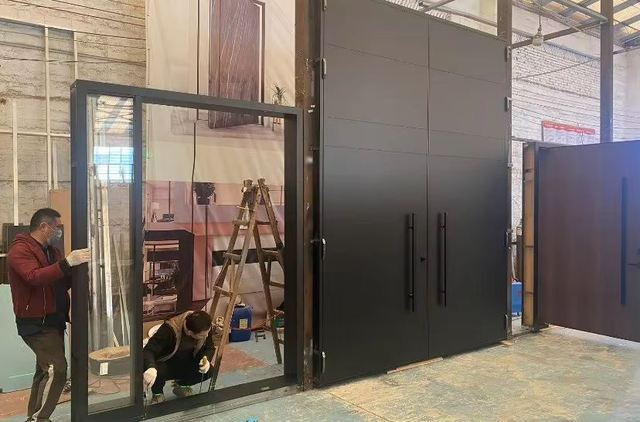
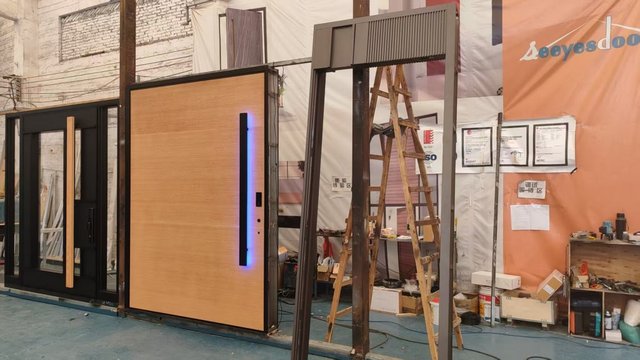
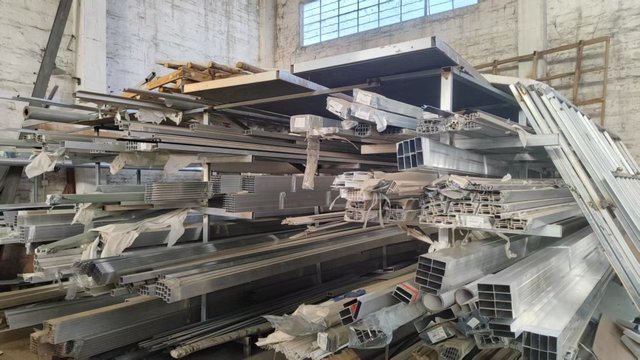
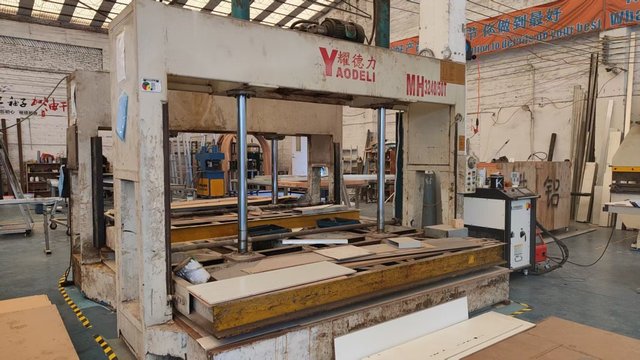
Sourcing acoustic doors and industrial access systems from China offers key advantages in manufacturing scale, vertical supply integration, and advanced fabrication technologies. Specialized industrial clusters, such as the Pearl River Delta (where Dongguan Gerald Doors Co., Ltd. is located), provide unmatched access to steel mills, custom glass suppliers, automated hardware lines, and specialized seal manufacturers. This concentration optimizes logistics and allows for efficient, custom production cycles.
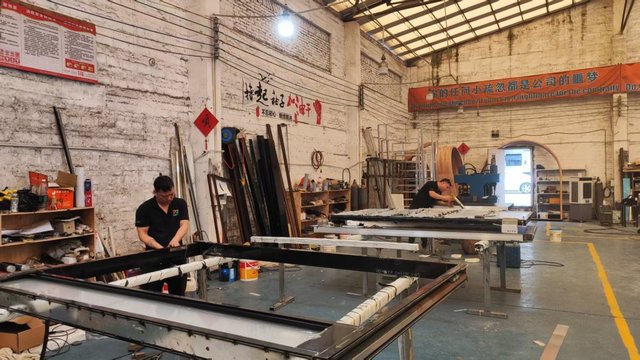
Leading manufacturers utilize precise, computerized fabrication lines to achieve the strict tolerances required for certified acoustic performance:
Tailored acoustic barrier systems engineered to meet specific occupational safety and structural operational requirements.
Heavy machinery, backup generators, and HVAC chillers generate high-decibel, low-frequency sound. Industrial steel acoustic doors prevent noise pollution in adjacent administrative spaces and surrounding municipal areas.
Professional media settings require an ultra-quiet environment (often aiming for NC-15 or NC-20 curves). Double-sealed, high-STC soundproof doors keep external ambient and structural noise from entering the studio.
Cleanroom environments require a clean profile that is easy to sanitize, alongside noise control from high-pressure air filtration systems. Our specialized airtight, acoustic doors support strict sanitation and cleanroom standards.
Key technological shifts and procurement practices shaping the future of acoustic openings in commercial developments.
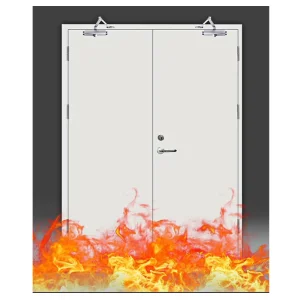
Architects increasingly demand doors that combine multiple performance ratings. Modern soundproof doors often need to be fire-rated (up to 3 hours under UL 10C or BS 476), air-tight, and impact-resistant. This complexity requires advanced construction, such as combining intumescent fire seals with compression acoustic gaskets to maintain safety and performance ratings simultaneously.
Smart building ecosystems require automated access. Implementing drop seals on automated acoustic doors demands careful engineering to prevent seal wear while maintaining security. Integrations include secure, contactless mechanisms like UHF RFID, biometric sensors, and automated overhead operators that connect with building management systems (BMS).
With the growth of green building standards like LEED and BREEAM, manufacturers are moving away from traditional formaldehyde-based binders. Modern acoustic cores utilize bio-soluble mineral wools and recycled eco-polymers to reduce ecological footprint while maintaining high decibel reduction ratings.
When purchasing wholesale soundproof doors from China, buyers should verify key milestones to ensure compliance and avoid installation delays:
Detailed technical answers to common questions about selecting, installing, and certifying soundproof doors.
STC (Sound Transmission Class) is the standard measurement in the USA and Canada, calculated using ASTM standards across frequencies from 125 Hz to 4000 Hz. Rw (Weighted Sound Reduction Index) is the international standard defined by ISO, measuring a similar range but with slight differences in curve fitting. Both quantify sound attenuation, where higher numbers indicate better performance, but they are not directly interchangeable due to variation in testing procedures.
Standard doors typically have hollow cores or light paper honeycomb fills, which lack the density to block sound waves. Additionally, standard clearances leave significant gaps at the sides and bottom. Since sound behaves like water, even a 1% gap around a door perimeter can transmit up to 50% of the acoustic energy, bypassing the soundproofing of the wall.
Yes. By combining high-density cores like rockwool with intumescent fire seals and compression acoustic gaskets, a door can achieve both fire safety ratings (e.g., 30 to 180 minutes) and high STC/Rw ratings. However, the hardware and seal configurations must be specifically tested and certified together to ensure compliance with both fire and acoustic standards.
We use high-precision CNC machinery to ensure structural squareness and flat leaves, which are critical for tight seal compression. We pre-assemble and check alignment, hardware pre-cuts, and seal fits at the factory before shipping, using reinforced packaging to protect tolerances during transit.
Hardware is critical to acoustic performance. Because soundproof doors are heavy, they require heavy-duty, low-friction ball-bearing hinges or pivot hinges to prevent sagging, which can cause seal misalignment. Additionally, latching hardware must apply sufficient compression to the perimeter seals to maintain a continuous, airtight barrier.
A mechanical drop seal has an adjustable plunger on the hinge side. When the door closes, the plunger strikes the frame, triggering a internal mechanism that drops the seal. Adjusting the plunger controls the drop depth to accommodate floor irregularities. For optimal acoustic performance, it is best to seal against a smooth, flat threshold plate.
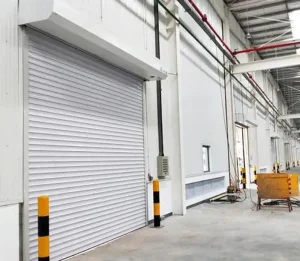
Discover our range of heavy-duty industrial roll-up doors, high-speed warehouse systems, and custom architectural solutions.
A trusted global manufacturing partner for commercial, residential, and industrial door systems.
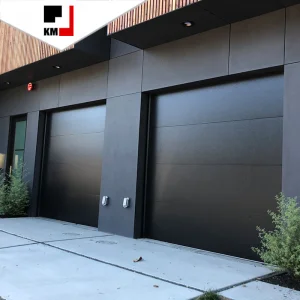
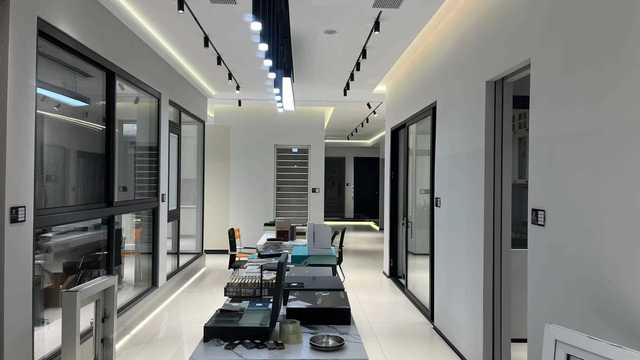
Dongguan Gerald Doors Co., Ltd. is a leading China garage door manufacturer specializing in residential, commercial, and industrial door solutions for customers worldwide. With a strong focus on quality, innovation, and reliability, Gerald Doors provides a comprehensive range of entrance and access systems designed to meet the needs of modern buildings, warehouses, logistics centers, factories, and residential properties.
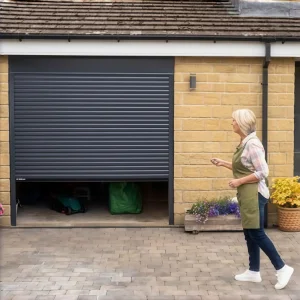
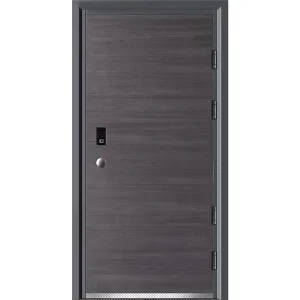
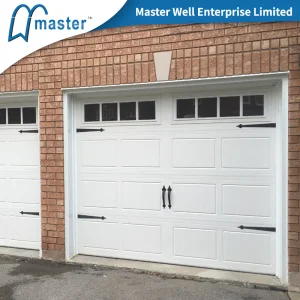
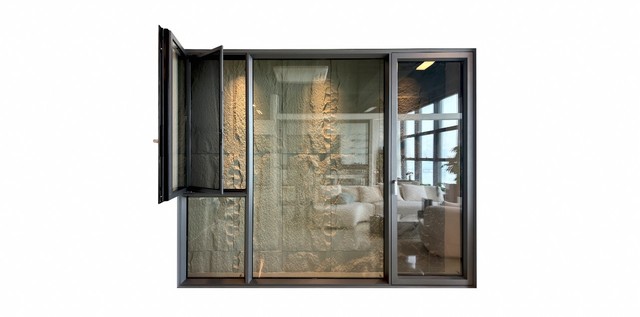
Our product portfolio includes residential garage doors, commercial garage doors, industrial overhead doors, sectional doors, roller shutter doors, high-speed doors, fire-rated doors, security doors, and customized access solutions. Engineered with premium materials and advanced manufacturing technologies, our products are designed to deliver superior durability, safety, energy efficiency, and long-term performance in diverse operating environments.
At Gerald Doors, we understand that every project has unique requirements. Our experienced engineering and production teams work closely with customers to develop tailored solutions that match specific dimensions, operational needs, architectural styles, and performance standards. From design and manufacturing to quality control and delivery, we maintain strict production processes to ensure consistent product excellence.
Serving clients across North America, Europe, the Middle East, Southeast Asia, and other global markets, Gerald Doors has built a reputation for dependable products, responsive customer service, and competitive manufacturing capabilities. We continuously invest in research and development to improve product functionality, automation technologies, and smart access solutions that support the evolving demands of residential and industrial applications.
Driven by a commitment to quality and customer satisfaction, Dongguan Gerald Doors Co., Ltd. strives to be a trusted global partner for innovative, secure, and high-performance door systems.
 Gerald Doors