Engineered for extreme environments, structural integrity, and smart facility automation.

How acoustic doors form the frontline of commercial noise cancellation and process isolation.
Modern architecture is increasingly defined by its management of sensory environments. As cities densify and industrial zones border commercial centers, acoustic control has transitioned from a niche luxury to a regulatory and structural necessity. The primary barrier in preventing the transit of airborne noise through structural partitions is the door assembly.
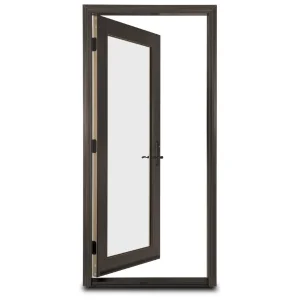
An Acoustic Door is not merely a door; it is a highly engineered system comprising a dense core matrix, compression seals, specialized drop-down thresholds, and decoupled framing. To quantify their efficiency, the industry utilizes STC (Sound Transmission Class) in North America and Rw (Weighted Sound Reduction Index) in Europe. Standard solid-core commercial doors offer an STC of approximately 20 to 25. High-performance acoustic doors manufactured by global leaders range from STC 35 to STC 55+, representing a logarithmic reduction in sound energy of up to 99.9%.
When procurement managers evaluate acoustic doors, a common mistake is treating decibel ratings linearly. Because decibels (dB) are logarithmic, a reduction of 3dB represents a 50% decrease in sound energy. A reduction of 10dB represents a 90% reduction in perceived loudness. Consequently, upgrading from an STC 40 door to an STC 50 door does not yield a 25% improvement; it renders the remaining transmitted noise ten times quieter.
Ideal for executive offices, classrooms, and hotel guestrooms. Dampens loud speech but allows muted structure-borne sounds to pass.
Engineered for teleconference hubs, mechanical plant rooms, and medical examination wings. Eliminates standard conversational transfer.
Required for engine test cells, recording studios, broadcast booths, and heavy industrial machinery spaces where sound containment is absolute.
Navigating compliance standards, supply chains, and localized build configurations.
Global procurement teams face shifting challenges. The rise of hybrid working arrangements has sparked a commercial remodeling boom, converting cavernous layouts into acoustically isolated meeting cells. Concurrently, data center infrastructures are multiplying rapidly, and with them, the need to contain high-decibel generator and cooling fan harmonics. These macro-forces require strict alignment with international quality registries.
Failing to verify these test reports from independent, accredited bodies (such as NVLAP, UKAS, or CNAS) can result in dramatic failure rates on site. A field-tested acoustic partition that drops below its laboratory rating due to door frame leakage (flanking transmission) can compromise an entire building project’s occupancy certification.
How precision robotic fabrication is democratizing high-STC door manufacturing.
Historically, high-STC acoustic doors were crafted manually by specialized carpenters or custom steel fabricators, leading to astronomical costs and lengthy lead times. Today, China's integration of Factory 4.0 systems has fundamentally changed the landscape. Advanced manufacturing hubs like Dongguan combine heavy automated tooling with rigorous quality management, bringing high-decibel solutions to market at unprecedented scale.
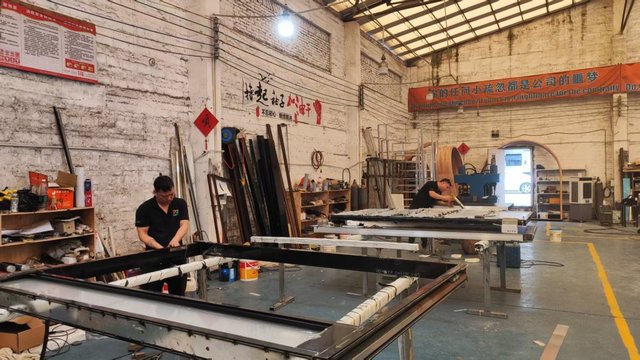
The manufacturing process of a professional acoustic door demands micro-millimeter precision. A warping of just 1mm along the frame plane can render acoustic perimeter seals ineffective, introducing a structural gap that allows sound waves to bypass the door core. By implementing continuous robotic laser welding, CNC bending lines, and automated polyurethane dampening injection, Chinese facilities achieve tolerances of less than 0.5mm across production runs.
Deep dive into a premier manufacturer of industrial, commercial, and residential access solutions.
Dongguan Gerald Doors Co., Ltd. is a leading China garage door manufacturer specializing in residential, commercial, and industrial door solutions for customers worldwide. With a strong focus on quality, innovation, and reliability, Gerald Doors provides a comprehensive range of entrance and access systems designed to meet the needs of modern buildings, warehouses, logistics centers, factories, and residential properties.
Our product portfolio includes residential garage doors, commercial garage doors, industrial overhead doors, sectional doors, roller shutter doors, high-speed doors, fire-rated doors, security doors, and customized access solutions. Engineered with premium materials and advanced manufacturing technologies, our products are designed to deliver superior durability, safety, energy efficiency, and long-term performance in diverse operating environments.
At Gerald Doors, we understand that every project has unique requirements. Our experienced engineering and production teams work closely with customers to develop tailored solutions that match specific dimensions, operational needs, architectural styles, and performance standards. From design and manufacturing to quality control and delivery, we maintain strict production processes to ensure consistent product excellence.
Serving clients across North America, Europe, the Middle East, Southeast Asia, and other global markets, Gerald Doors has built a reputation for dependable products, responsive customer service, and competitive manufacturing capabilities. We continuously invest in research and development to improve product functionality, automation technologies, and smart access solutions that support the evolving demands of residential and industrial applications.
Driven by a commitment to quality and customer satisfaction, Dongguan Gerald Doors Co., Ltd. strives to be a trusted global partner for innovative, secure, and high-performance door systems.
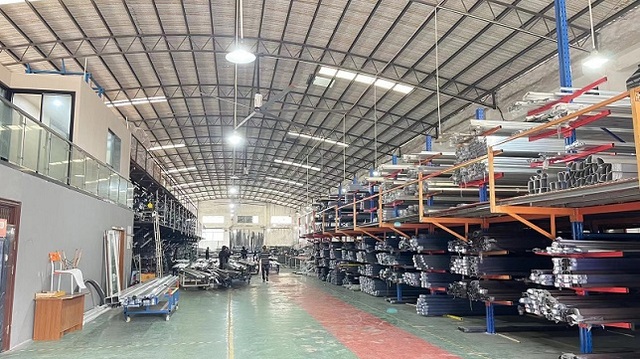
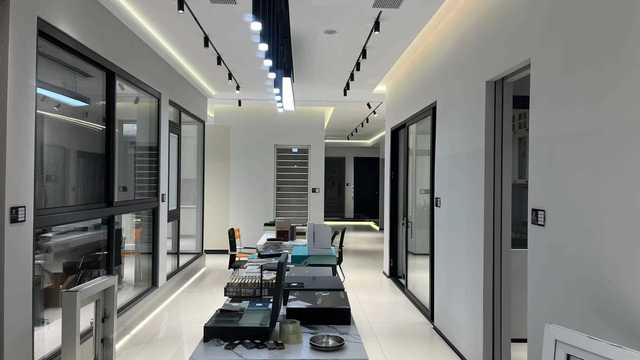
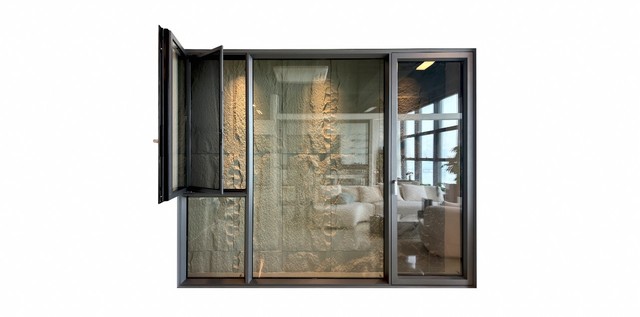
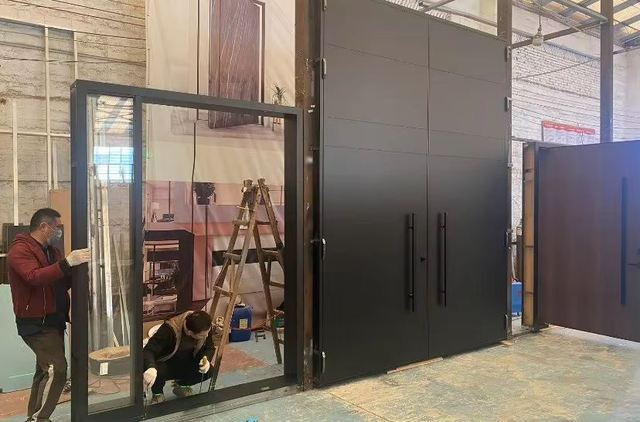
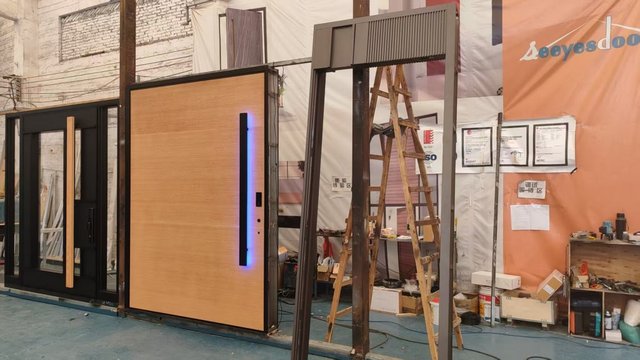
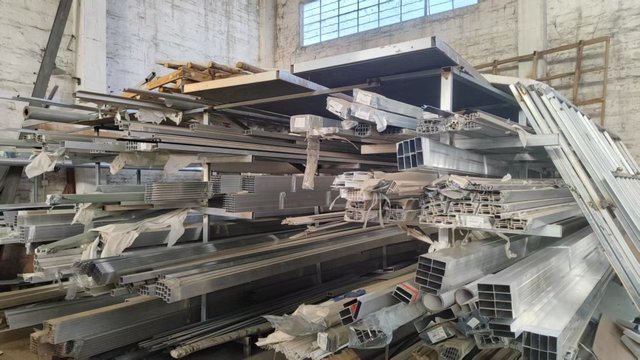
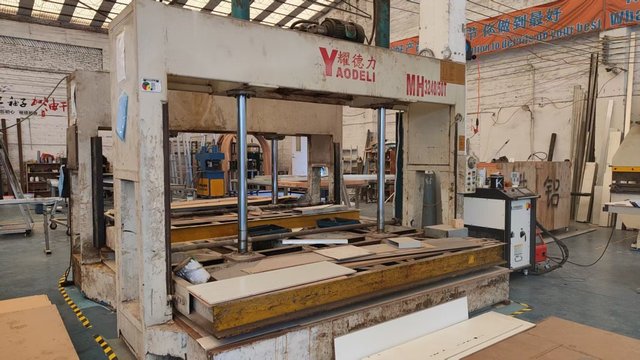
Below is a visual overview of the manufacturing floor, logistics infrastructure, and production processes at the Dongguan facilities:
How acoustic solutions perform in real-world environments and target configurations.
Different markets and facilities demand targeted variations of acoustic performance. There is no one-size-fits-all solution; an acoustic door setup that excels in a high-tech data storage center may fail parameters in a hotel ballroom due to differing physical constraints and fire exit protocols.
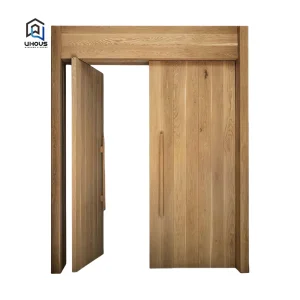
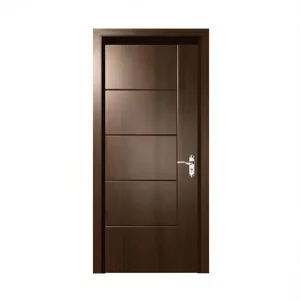
In regions governed by ASHRAE standards, office structures must balance thermal and acoustical transmission. Specifiers rely heavily on wooden or composite-veneer acoustic doors (typically STC 40-45) integrated with drop seals to prevent crosstalk between executive rooms and adjacent open office plan areas. Here, aesthetics and acoustic integrity must coexist without compromise.
European Union machinery directives demand strict noise protection protocols (Directive 2003/10/EC) for assembly floor staff. Industrial acoustic doors in these spaces must be heavy-gauge steel assemblies, often with dual perimeter gaskets, capable of reducing sound levels exceeding 100 dB down to safe exposure limits (< 80 dB). Heavy-duty hinges and automatic overhead magnetic closures are crucial to handle the dense steel cladding.
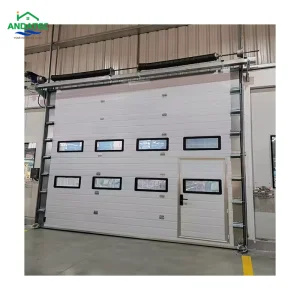
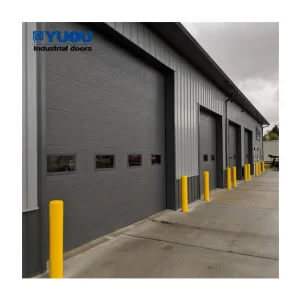
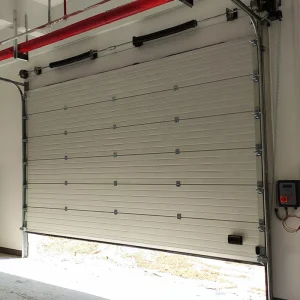
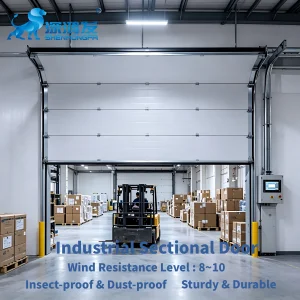
Airports require massive access openings for luggage bays, maintenance stations, and mechanical generators. These systems must combine acoustic protection with wind load resistance and high-speed operation cycles. This is where specialized hybrid high-speed doors and structural overhead gates (often rated at STC 35+) prevent decibel runoff into terminals or surrounding urban areas.
Answering the most critical technical questions regarding sound containment, testing, and selection.
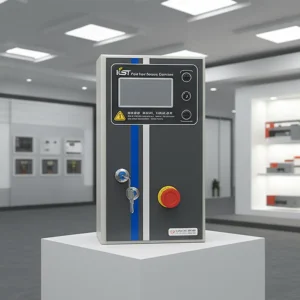
Heavy-duty roll-up mechanisms, fast-action cycle gates, and industrial terminal management.
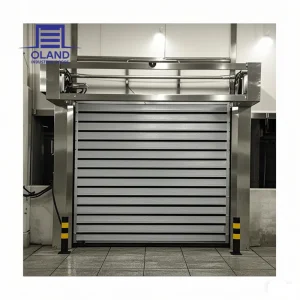

 Gerald Doors