The global pharmaceutical manufacturing landscape is undergoing a paradigm shift driven by stringent regulatory frameworks such as FDA 21 CFR Part 211 and EU GMP Annex 1 guidelines. Within sterile manufacturing facilities, cleanroom access systems and pharmaceutical doors are no longer treated as simple mechanical boundaries. They are highly engineered biological containment barriers designed to prevent cross-contamination, manage differential pressure regimes, and endure rigorous cleaning regimes, including Vaporized Hydrogen Peroxide (VHP) decontamination.
Modern pharmaceutical facility design prioritizes "zero-contamination" environments. This has accelerated the transition from manual, swing-type doors to automated high-speed rolling or sliding doors engineered specifically for bio-hazard zones. The key trends shaping the production of pharmaceutical doors include:
Door surfaces must be non-porous, completely flat, and devoid of visible screws, ledges, or crevices where bacterial colonies can proliferate.
Pressure differentials must be strictly maintained (typically 10-15 Pa between adjacent cleanroom classes) using specialized dynamic inflatable or heavy-duty compression seals.
Integration with building management systems (BMS), interlocking access controls, and contactless proximity/wave sensors to prevent direct physical hand contact.
Procurement teams from multinational pharmaceutical conglomerates, medical laboratories, and aseptic food processors evaluate access control doors based on multi-disciplinary engineering requirements. Unlike standard commercial doors, the material makeup of a cleanroom door directly influences the validation state of the manufacturing process.
High-Pressure Laminate (HPL) and Stainless Steel (typically grade 304 or 316L) remain the benchmark substrates. These materials provide structural rigidity and refuse to corrode or degrade under continuous exposure to harsh sterilizing chemicals. For areas requiring rapid transport between cold storage and warm staging zones, high-speed insulated PVC roll-up doors with thermal breaks prevent cold-air loss and condensation buildup, protecting product shelf-life and compliance.
| Door Material / Type | Common Application Zones | Key Performance Metrics | Standards Compliance |
|---|---|---|---|
| 304/316 Stainless Steel Swing | Aseptic Filling, Sterile Preparation, API Lab | Seamless flush-design, zero hollow spaces | FDA, EU GMP Grade A/B |
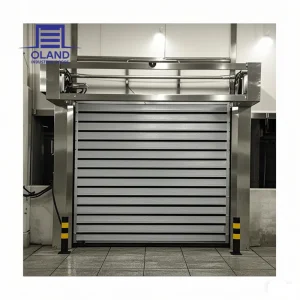
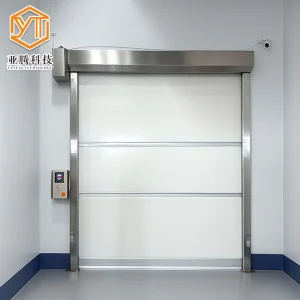
| Rapid Roll-up PVC Clean Door | Materials Staging, Packaging, Logistics Lock | Up to 2.0 m/s speed, automated interlock | CE, ISO 14644-1 Class 5 |
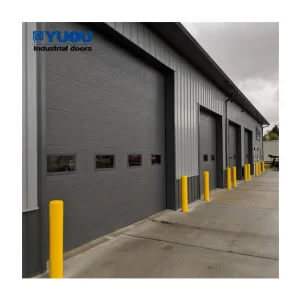
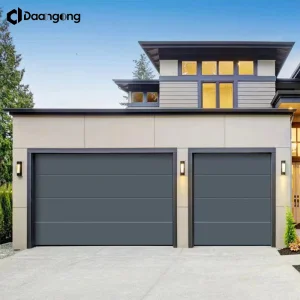
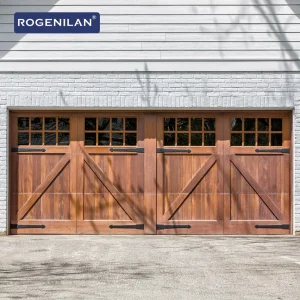
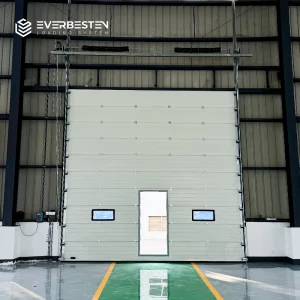
| Insulated Sectional Overhead | Finished Goods Warehouse, Loading Docks | High R-Value, weather sealing, anti-theft | CE, EN 13241-1 |
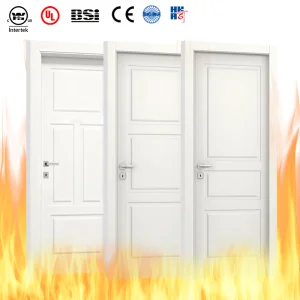
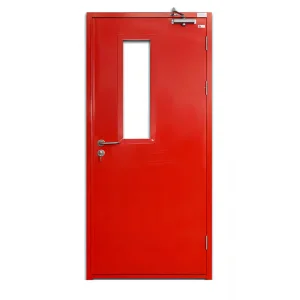
| Fire-Rated Steel/Hollow Metal | Escape Routes, Plant Rooms, Solvent Stores | 60 / 90 / 180 min fire integrity | UL 10C, Intertek, BS476 |
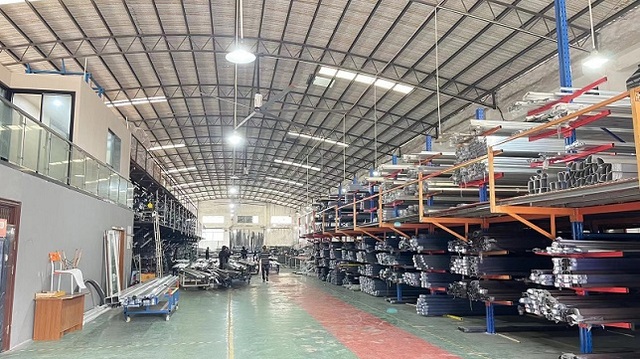
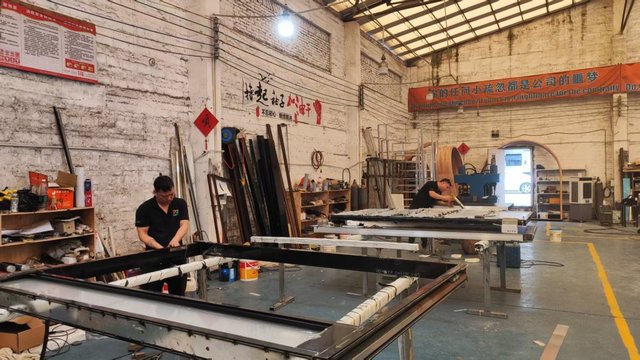
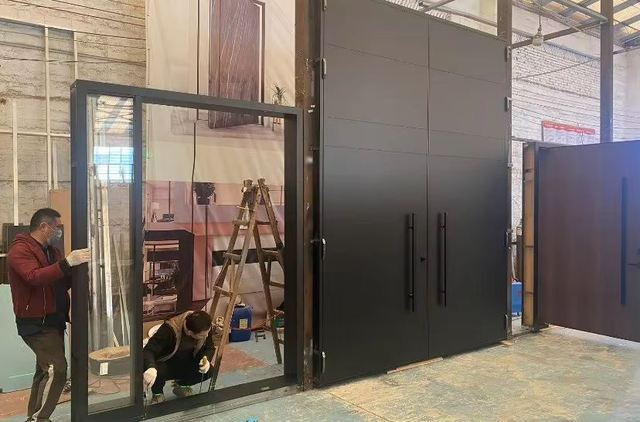
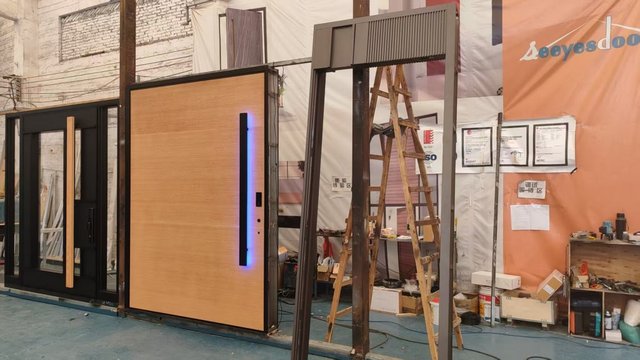
Operating out of the Pearl River Delta industrial cluster, Dongguan Gerald Doors Co., Ltd. serves as a benchmark for high-performance industrial and commercial access systems. Moving beyond typical batch manufacturing, the company has integrated digital factory processes (Industry 4.0) to deliver micro-tolerance customization. This guarantees that each cleanroom and industrial door aligns perfectly with the site dimensions and pressure requirements of complex facility designs.
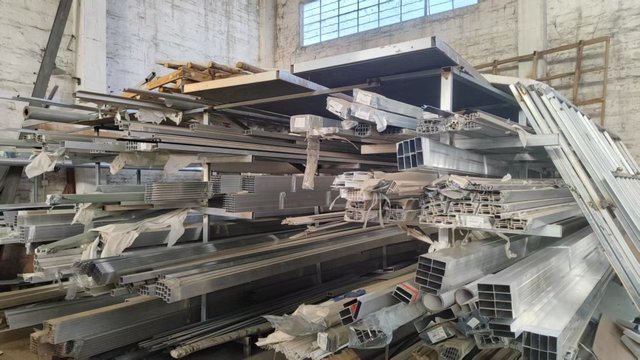
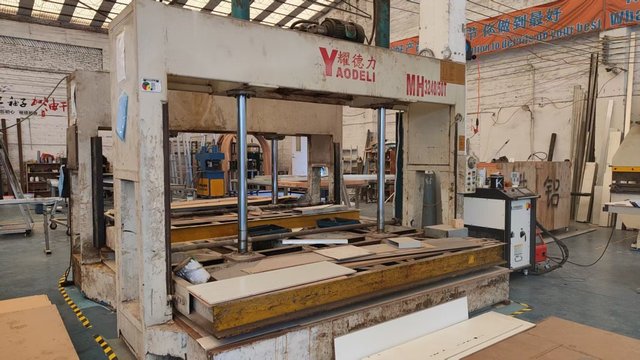
Through state-of-the-art continuous polyurethane foaming lines, computerized structural welding, and advanced CNC laser cutting, Dongguan Gerald Doors ensures that every single frame, leaf, and automation panel meets the rigorous performance metrics expected by European and North American buyers. Our strategic location near major shipping hubs ensures supply chain resilience, allowing us to supply large-scale logistics facilities, hotels, pharmaceutical plants, and cold-chain warehouses worldwide.
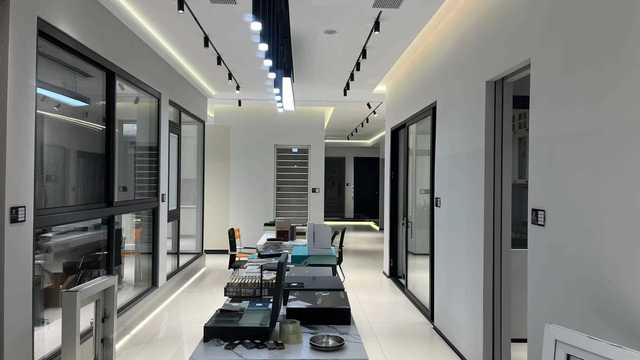
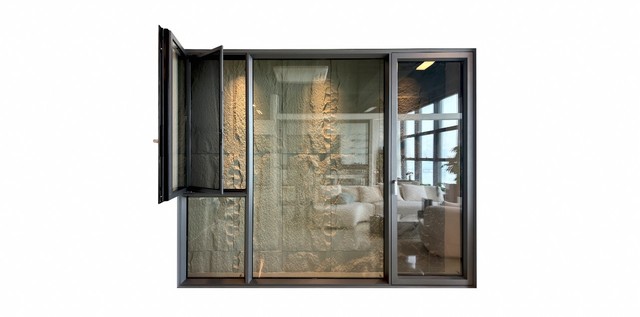
Cleanroom access components must be adapted to the specific operational constraints of each zone. Dongguan Gerald Doors engineers bespoke options for the following settings:
 Gerald Doors