Engineered for superior structural durability, energy efficiency, and modern architectural aesthetics.
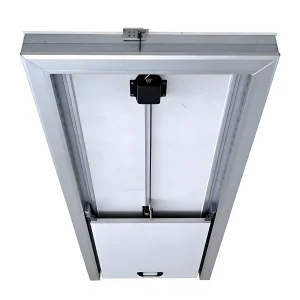
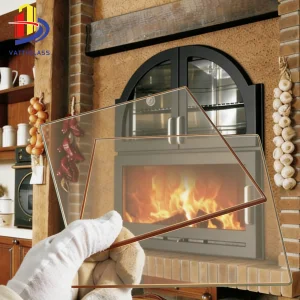
In the contemporary industrial and commercial landscape, structural partitions are no longer considered simple physical boundaries. Modern engineering demands that access openings act as highly dynamic, thermally efficient interfaces. Insulated door systems represent the focal point of this transformation, merging thermal thermodynamics, high-strength structural mechanics, and automated safety protocols.
As carbon neutrality initiatives tighten globally and cold-chain integrity requirements for pharmaceuticals and food processing scale exponentially, selecting the right insulated door systems is a critical architectural and operational decision. Today's commercial developments require systems that limit thermal bridging, minimize thermal transmittance (low U-value), and offer reliable wind-load resistance under severe pressure gradients.
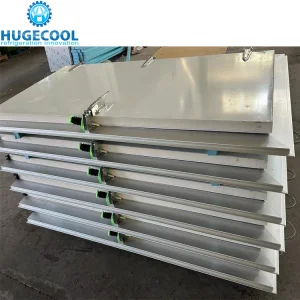
Typical insulated door panel configurations rely on high-density polyurethane (PUR) or polyisocyanurate (PIR) core injection between double-skin galvanized steel sheet layers. The thermal conductivity of these cores dictates the operational energy savings of the facility.
How evolving commercial regulations, carbon taxes, and engineering innovations are redefining industrial access points.
Global corporations face immense legislative pressure to optimize facility energy models. Insulated doors are direct mitigators of energy leakage. By switching from standard sectional overhead doors to high-R-value thermal break doors, modern logistic facilities drastically reduce heating, ventilation, and air conditioning (HVAC) operating costs.
Traditional slow-moving doors induce sustained open-duration windows that disrupt temperature control. The trend shifts heavily toward hybrid systems combining heavy-duty insulation panels with high-speed automated roll-up vinyl curtains, or multi-panel high-speed rigid insulated doors opening at velocities exceeding 2.0 m/s.
Modern industrial systems must be connected. Microprocessor controllers integrated into insulated door platforms transmit real-time telemetric data. Facility managers track operational cycles, motor health indices, seals degradation, and safety photocell interruptions, shifting maintenance profiles from reactive to predictive.
Enterprise-level procurement directors demand more than just a low unit price. When sourcing insulated doors for major logistics hubs, industrial properties, or high-tech cold storage warehouses, international buyers evaluate complex risk matrixes:
Compliance & Harmonized Standards: Compliance with certifications (CE, EN 13241-1, UL 10B/10C, FM Global) is non-negotiable. Sourcing from a manufacturer that aligns production strictly with European and American structural code regulations avoids regulatory blockages during building commissioning.
Total Cost of Ownership (TCO): Sourcing lower-grade doors often leads to early motor wear, panel delamination, and gasket degradation. Sourcing high-specification insulated doors with custom-designed hardware ensures long-term operational longevity and prevents expensive downtime.
| Procurement Factor | Low-Grade Door Sourcing | High-Spec Gerald Doors Systems |
|---|---|---|
| Core Materials | Low density, uneven polyurethane fill | CFC-free, high-density PU foam (40kg/m³) |
| Lifetime Cycle | 50,000 - 100,000 cycles | 500,000 - 1,000,000 cycles (Heavy duty) |
| Safety Systems | Basic mechanical rebound safety | Optoelectronic sensors, safety edge, radar |
| Corrosion Resistance | Single paint coating, rapid oxidation | Hot-dip galvanized, multi-layer PVDF finish |
How Dongguan Gerald Doors Co., Ltd. blends automated manufacturing with structural reliability to secure global supply chains.
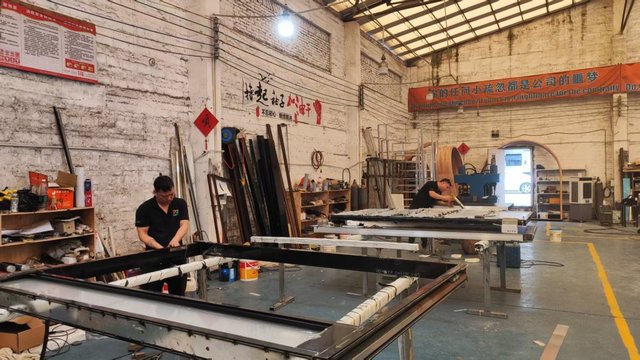
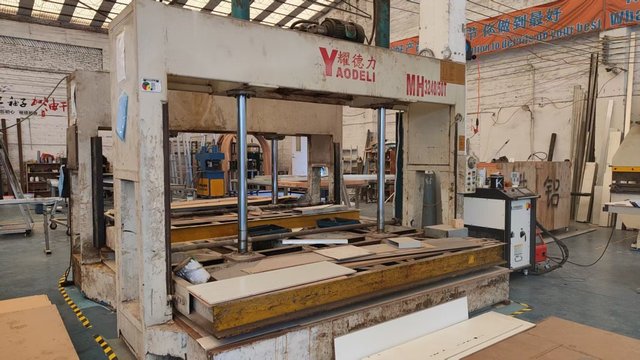
Precision execution at scale is achieved through automated processing. Gerald Doors' continuous PU foaming production lines guarantee structural uniformity. Laser-controlled metal cutting and automated CNC bending ensure dimensional tolerances are kept under 0.5mm, enabling flawless field installation.
Every insulated door system undergoes extensive testing before packing. From structural load simulations to dynamic cycling tests and environmental chamber insulation evaluations, our quality control protocols ensure each unit matches international commercial and industrial safety standards.
Operating from Dongguan, the manufacturing heart of Southern China, grants us direct access to key steel mills, advanced motor component manufacturers, and sophisticated automation suppliers. This ecosystem, combined with nearby access to international container ports in Shenzhen and Guangzhou, guarantees resilient lead times and cost-effective global logistics.
Our designated CAD and structural engineers develop custom solutions for complex architectural challenges. Whether your project requires low-headroom configurations, high-security profiles, or specific high-temperature seals, our engineering department works directly with your architectural drawings to create optimized shop submittals.
Proven engineering configurations deployed across diverse global commercial and industrial sectors.
Temperature control is critical for food and pharmaceutical safety. Our high-speed cold storage doors and vertical rising freezer doors feature advanced heating cables along the frame to prevent ice buildup, maintaining reliable thermal barriers between -25°C environments and ambient loading zones.
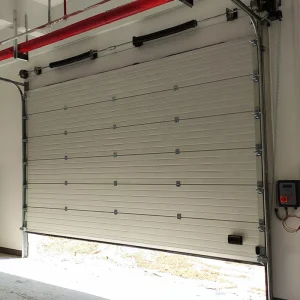
For high-frequency cross-docking warehouses, sectional overhead doors with heavy-duty torsion springs provide long-term reliability. When integrated with dock levelers and dock seals, they form a cohesive energy-saving envelope that protects cargo and personnel from exterior weather elements.
Extra-large hangar openings demand custom windload designs. Our automatic folding hangar doors and heavy-duty structural steel insulated gates are engineered to withstand severe wind forces while providing the scale required for aircraft and heavy machinery transport.
Dongguan Gerald Doors Co., Ltd. is a leading China garage door manufacturer specializing in residential, commercial, and industrial door solutions for customers worldwide. With a strong focus on quality, innovation, and reliability, Gerald Doors provides a comprehensive range of entrance and access systems designed to meet the needs of modern buildings, warehouses, logistics centers, factories, and residential properties.
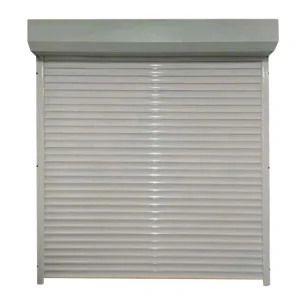
Our product portfolio includes residential garage doors, commercial garage doors, industrial overhead doors, sectional doors, roller shutter doors, high-speed doors, fire-rated doors, security doors, and customized access solutions. Engineered with premium materials and advanced manufacturing technologies, our products are designed to deliver superior durability, safety, energy efficiency, and long-term performance in diverse operating environments.
At Gerald Doors, we understand that every project has unique requirements. Our experienced engineering and production teams work closely with customers to develop tailored solutions that match specific dimensions, operational needs, architectural styles, and performance standards. From design and manufacturing to quality control and delivery, we maintain strict production processes to ensure consistent product excellence.
Serving clients across North America, Europe, the Middle East, Southeast Asia, and other global markets, Gerald Doors has built a reputation for dependable products, responsive customer service, and competitive manufacturing capabilities. We continuously invest in research and development to improve product functionality, automation technologies, and smart access solutions that support the evolving demands of residential and industrial applications.
Technical answers regarding engineering, installation, and thermal performance.
We utilize high-density, CFC-free Polyurethane (PU) foam with an average density of 40-42 kg/m³. This provides excellent structural stability, panel stiffness, and low thermal conductivity, making it ideal for energy-saving industrial and residential applications.
For deep-freeze environments, our doors feature integrated heating elements along the frame profile and guide rails. These systems prevent ice accumulation and frost formation, ensuring long-term seal integrity and reliable door operation.
All industrial sectional and high-speed door systems are custom-fabricated. Our engineering team designs the doors based on your architectural drawings, ensuring the tracks, hardware, and safety systems match your headroom clearances and wall structure.
Our doors are engineered to comply with EN 12424 wind-load standards. Wind-load resistance is achieved using structural wind-reinforcement struts, high-gauge steel hinge caps, and heavy-duty double-end rollers, protecting large commercial openings from high wind pressures.
Yes, our automated door systems feature microprocessors with dry-contact terminals that integrate directly with fire alarm systems, facility safety networks, warehouse management systems (WMS), and building management systems (BMS).
Safety is a primary design focus. Our automated doors are equipped with a combination of safety edge sensors (wireless or optical), infrared photocells, and radar motion detectors to prevent door closure if an obstruction is detected in the travel path.
Engineered for fast-paced logistics, heavy traffic distribution centers, and high-performance settings.
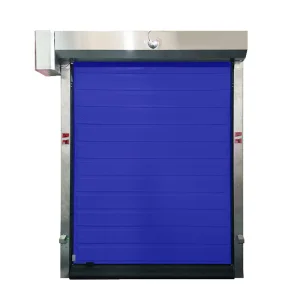
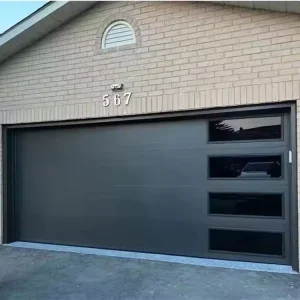
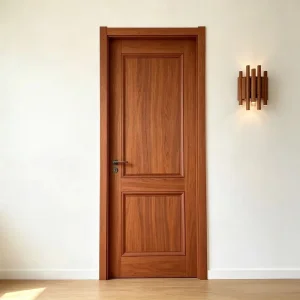
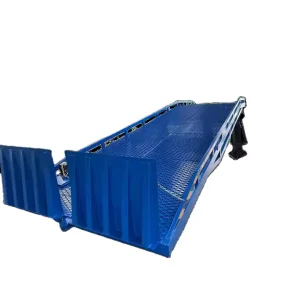
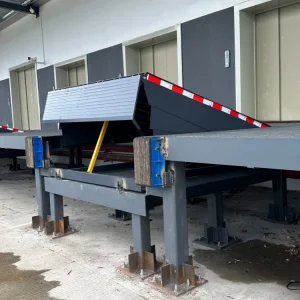
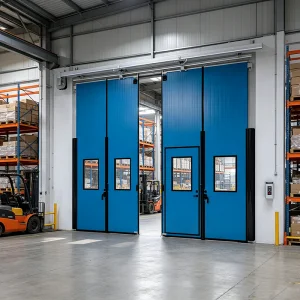
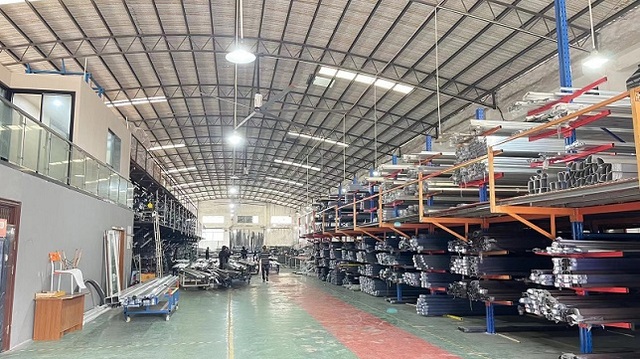
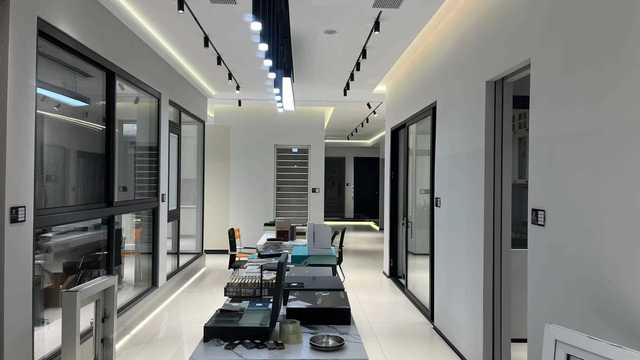
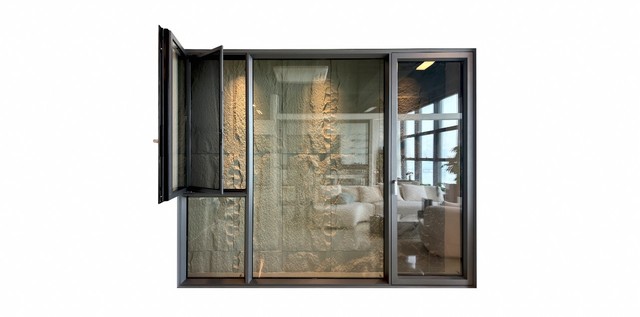
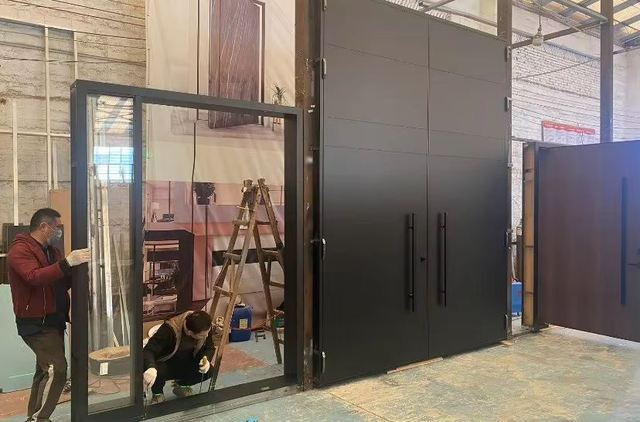
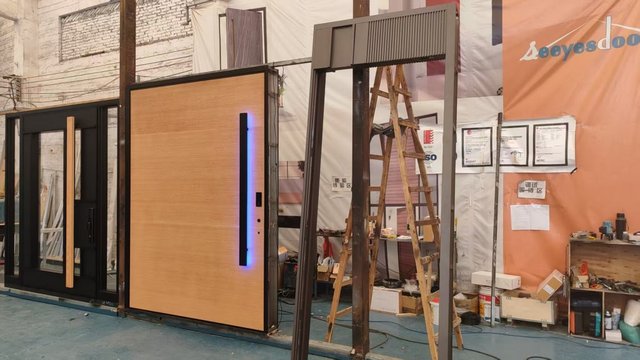
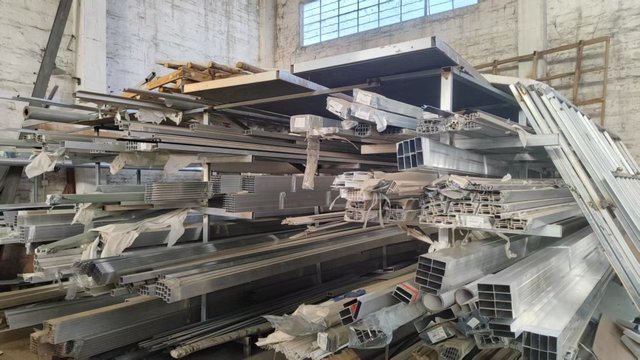
A glimpse inside our modern production environments and physical product showcases.
 Gerald Doors