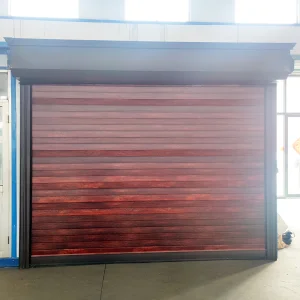
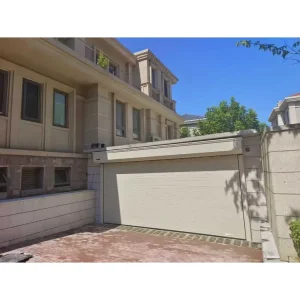
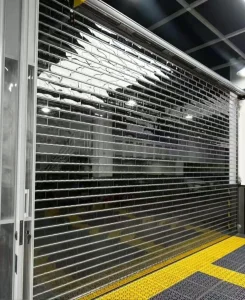
Explore our primary series of highly engineered temperature-control systems, automated barriers, and heavy-duty structural doors.
Understanding the technical paradigms of temperature-controlled door engineering, industrial heat-transfer resistance, and structural reliability.
In the era of hyper-regulated pharmaceutical logistics and rapid global food supply chains, the control of thermal dissipation at critical access points has emerged as a major factor in energy efficiency and quality assurance. Temperature-controlled doors are no longer mere structural enclosures; they are high-performance engineering assemblies designed to minimize convective, conductive, and radiative heat transfer. According to global HVAC and cold chain research, structural leakage at warehouse doorways accounts for up to 45% of total refrigeration losses in heavy-duty distribution centers. Mitigating this requires advanced thermodynamic engineering, high-density PIR/PUR core formulation, and ultra-reliable dynamic seal mechanics.
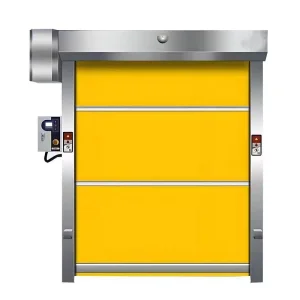
Industrial procurement teams evaluating temperature-controlled access systems prioritize Thermal Transmittance (U-value), Air Permeability class, and Dynamic Action Speeds. High-speed rolling fabric doors engineered for refrigerated zones focus on cycle optimization. A doorway that cycles open and closed within 4 to 6 seconds dramatically restricts the volume of warm, humid air entering the dry, cold envelope. This prevents the crystallization of ice on refrigeration coils and floor surfaces, mitigating structural slip hazards and maintaining a steady interior climate.
Conversely, heavy-duty freezer doors—whether vertical rising, horizontal sliding, or sectional—rely on thick, CFC-free polyurethane cores encased in robust steel or aluminum sheets. These barriers utilize peripheral heating cables inside the frames to prevent gasket adhesion caused by frost formation, ensuring constant operational readiness under sub-zero conditions.
In thermal barrier design, the R-value measures thermal resistance (the material's capacity to resist heat flow), while the U-value represents the overall thermal transmittance (the rate of heat transfer through a structure). Our latest insulation formulations achieve an R-value of up to 40 (h·ft²·°F/Btu) for freezer-grade assemblies, utilizing continuous structural thermal breaks that eliminate cold-bridging between external and internal metal skins.
Dongguan Gerald Doors Co., Ltd. is a leading China garage door manufacturer specializing in residential, commercial, and industrial door solutions for customers worldwide. With a strong focus on quality, innovation, and reliability, Gerald Doors provides a comprehensive range of entrance and access systems designed to meet the needs of modern buildings, warehouses, logistics centers, factories, and residential properties.
Our product portfolio includes residential garage doors, commercial garage doors, industrial overhead doors, sectional doors, roller shutter doors, high-speed doors, fire-rated doors, security doors, and customized access solutions. Engineered with premium materials and advanced manufacturing technologies, our products are designed to deliver superior durability, safety, energy efficiency, and long-term performance in diverse operating environments.
At Gerald Doors, we understand that every project has unique requirements. Our experienced engineering and production teams work closely with customers to develop tailored solutions that match specific dimensions, operational needs, architectural styles, and performance standards. From design and manufacturing to quality control and delivery, we maintain strict production processes to ensure consistent product excellence.
Serving clients across North America, Europe, the Middle East, Southeast Asia, and other global markets, Gerald Doors has built a reputation for dependable products, responsive customer service, and competitive manufacturing capabilities. We continuously invest in research and development to improve product functionality, automation technologies, and smart access solutions that support the evolving demands of residential and industrial applications.
Driven by a commitment to quality and customer satisfaction, Dongguan Gerald Doors Co., Ltd. strives to be a trusted global partner for innovative, secure, and high-performance door systems.
Why leading global logistics providers and cold-storage operations partner with advanced Chinese industrial door facilities.
China's industrial manufacturing hubs offer complete upstream and downstream integration. From high-grade aluminum extrusion mills to custom chemical synthesis for rigid polyurethane foam, all materials are sourced within a tight geographic radius. This minimizes raw material transport times and cost overheads, allowing factories to pass substantial savings to global buyers without compromising structural grade.
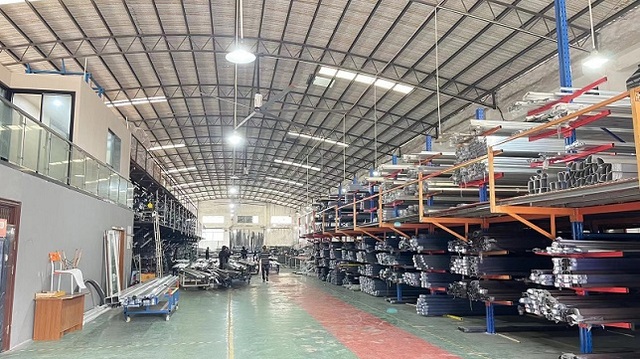
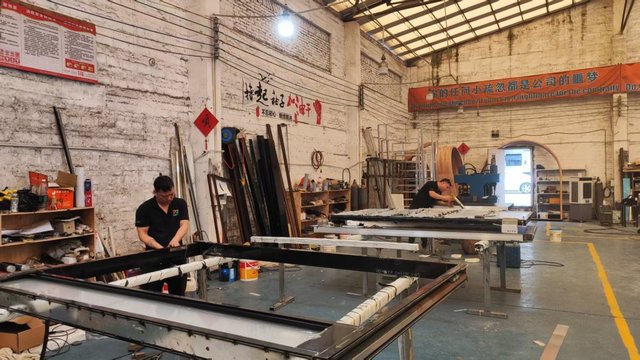
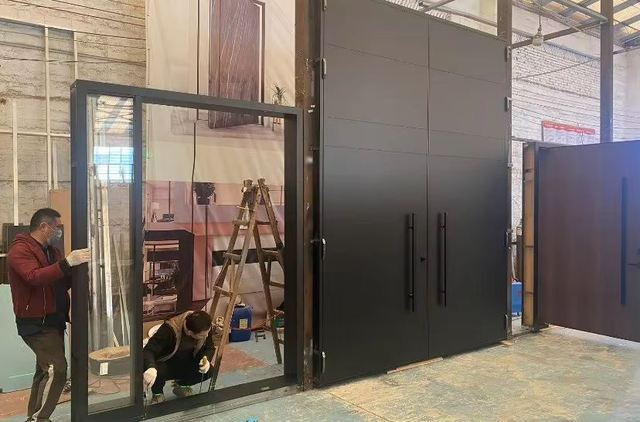
Modern Chinese factories, such as Dongguan Gerald Doors, utilize state-of-the-art automated foaming machines, continuous panel production lines, and high-frequency welding machines. This minimizes human error, ensures consistent density in the insulated core, and guarantees dimensional accuracy within fractions of a millimeter, leading to perfect seals upon installation.
Top-tier Chinese manufacturers operate under ISO 9001 quality management systems. Their product lines undergo testing for European CE compliance, UL certifications, and FM approvals. Cold room panels and door systems are regularly tested for flame retardancy, wind load resistance, and environmental safety, ensuring seamless compliance with local building codes worldwide.
An authoritative comparative overview of the global market leaders, technological benchmarks, and distribution capabilities.
Determining the ideal thermal barrier vendor requires evaluating several criteria: engineering innovation, custom fabrication capacity, automation integration, and post-sale field support. Below is an analytical breakdown of the top 10 global manufacturers and exporters dominating the temperature-controlled door sector.
When selecting a manufacturer from this list, buyers should evaluate the local availability of replacement parts (e.g., control boards, gearboxes, encoder systems) and the facility's willingness to customize structural layouts. For example, Dongguan Gerald Doors provides tailored OEM/ODM engineering support, allowing clients to configure frame dimensions and control interfaces to match existing logistics infrastructure.
How IoT, smart automation, sustainable materials, and safety systems are redefining the industrial door landscape.
Next-generation temperature-controlled doors feature embedded microprocessors and sensors that constantly monitor cycle counts, motor temperature, seal alignment, and ambient temperature deltas. By transmitting this data to a centralized building management system (BMS), operators can implement predictive maintenance protocols, significantly reducing unplanned downtime in critical cold chains.
Global environmental regulations, including the Montreal Protocol and Kigali Amendment, require the phase-out of high Global Warming Potential (GWP) blowing agents. Top-tier manufacturers are transitioning to next-generation hydrofluoroolefin (HFO) blowing agents for polyurethane foams, ensuring excellent insulation performance while maintaining zero Ozone Depletion Potential (ODP).
To prevent frost build-up, modern freezer doors combine high thermal resistance when closed with high opening speeds (up to 2.5 m/s) when activated. This combination of dynamic speed and static insulation maintains environmental separation at high-traffic doorways, preventing moisture ingress and subsequent frosting.
Forklift impacts are a common cause of door damage in logistics centers. Modern high-speed PVC doors feature self-reinserting designs: if the flexible curtain is struck out of its guide tracks, it automatically feeds back into the side guides on the next cycle, avoiding expensive technician callouts and maintaining climate control.
Tailored architectural access setups across critical industries, environments, and specialized facilities.
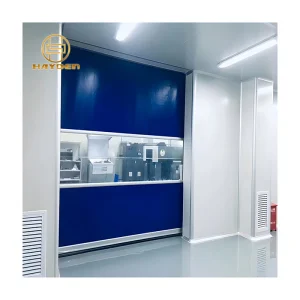
Pharmaceutical distribution hubs require precise temperature zoning (typically 2°C to 8°C or -20°C). Doors must feature non-porous, antimicrobial surfaces that withstand aggressive chemical sanitization. Additionally, pressure-differential control systems prevent cross-contamination between cleanrooms and standard staging zones.
Automated storage and retrieval systems operate in dark, unstaffed environments down to -35°C. The doors must run continuously, with opening speeds matched to high-speed robotic shuttles. Dual-airlock door designs with integrated dehumidification prevent condensation and ice build-up in high-humidity climates.
High-volume processing plants face high humidity and frequent washdowns. Access points require IP69K-rated washdown-ready controls, heavy-duty stainless steel structural components, and high-speed vertical fabric barriers that resist moisture buildup and organic bacterial colonization.
Key structural criteria and decision matrices for global supply chain procurement managers.
Enterprise procurement professionals must look beyond unit purchase prices and evaluate the Total Cost of Ownership (TCO). A low-cost industrial door that lacks thermal performance or requires frequent maintenance can result in significant operational costs over its lifetime. Below is a structured checklist designed to optimize procurement decisions:
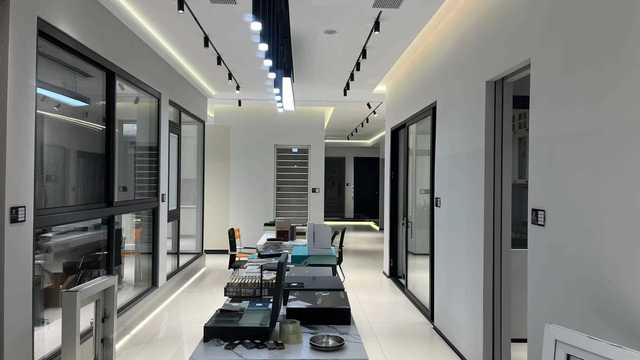
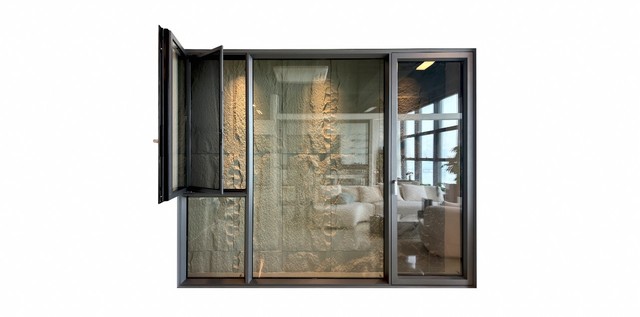
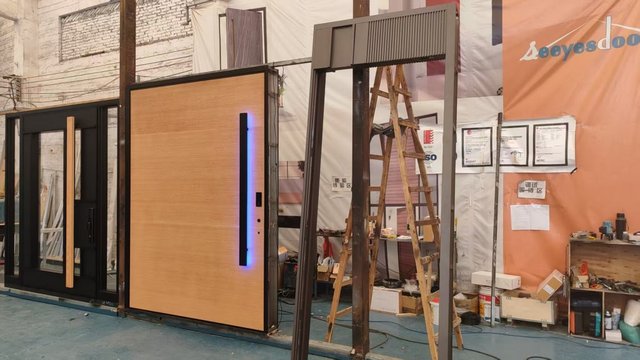
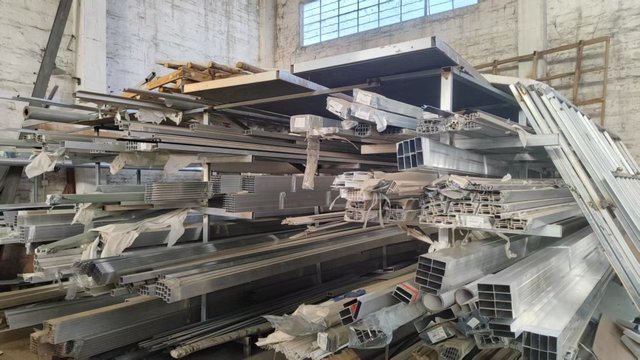
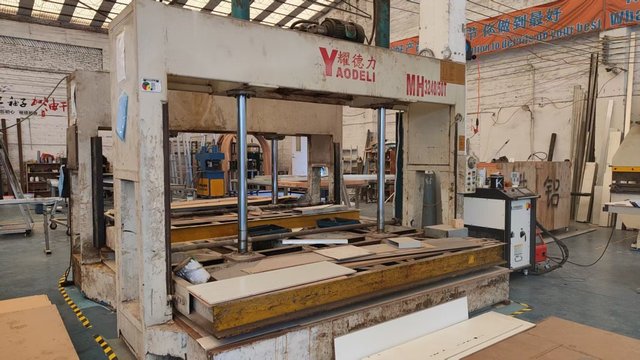
A visual tour of our production floors, high-capacity panel extrusion systems, assembly lines, and quality control departments.
Expert technical answers to key questions regarding temperature-controlled door selection, installation, and operation.
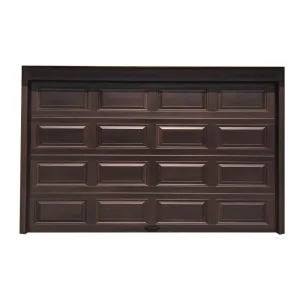
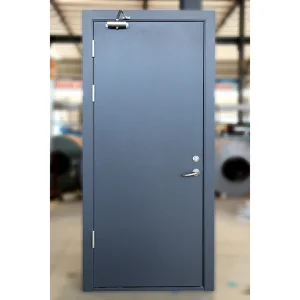
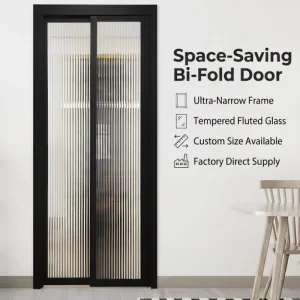
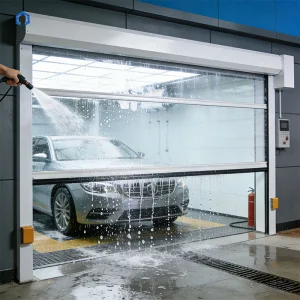
Explore our specialized commercial, fire-rated, and automated garage door lines designed for residential, commercial, and industrial facilities.
 Gerald Doors