Warehouse Access Solutions Manufacturers & Exporters for Tokyo

High-Security Logistics Entrances, Automation Barriers & Advanced RFID Access Control Architectures Engineered for Japan's Industrial Standards

Strategic Overview: Tokyo’s Advanced Logistics Corridor

Analyzing physical access security, spatial constraints, and high-frequency automated transit demands within the Tokyo Metropolitan Area.

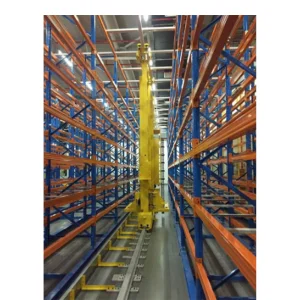
Tokyo represents one of the densest and most technologically sophisticated logistics markets globally. With the continuous expansion of e-commerce networks and supply chain corridors linking Tokyo Bay, Kawasaki, Yokohama, and Haneda Airport, modern distribution centers face the multi-faceted pressure of high land costs and high-throughput demands. This spatial squeeze has catalyzed a structural shift towards high-density vertical storage, Automated Storage and Retrieval Systems (ASRS), and highly integrated access points.

In this environment, physical doors and access barriers are no longer mere static enclosures. They function as dynamic, smart control nodes that manage thermal efficiency, protect against dust contamination, ensure fire separation compliance under Tokyo's rigorous municipal bylaws, and handle immediate data transit via RFID. A single access failure in a Tokyo-based logistics center can trigger cascading delays across the entire Kanto region, making high-reliability hardware and intelligent controllers a core infrastructure priority.

99.9%
Operational Uptime Requirement
JIS A
Japanese Security Standard Compliant
<0.5s
Door Opening Latency Potential
TELEC
920MHz Radio Wave Certified

E-E-A-T Framework: Technical Compliance for the Japanese Market

For engineering procurement officers and operations directors looking to import and deploy access systems in Tokyo, adhering strictly to local standards is critical. Access solutions manufactured and exported to Japan must clear several regulatory and operational thresholds:

  • JIS A 4702 & 4721 Compliance: Access doors, rolling shutters, and electric side-sliding systems must be rated for specific wind-pressure resistance, structural integrity during seismic events, and cycle-durability tests.
  • Japan Fire Service Act (消防法) regulations: Compartmentalized areas inside warehouses must utilize automatic fire-rated doors (防火設備) certified to contain thermal threats for up to 60 or 120 minutes.
  • TELEC & Japan Radio Law (電波法): Active and passive RFID access control gates operating in the UHF spectrum must utilize the 920-925 MHz band, adhering to exact transmission power limitations to prevent interfering with local telecommunication signals.
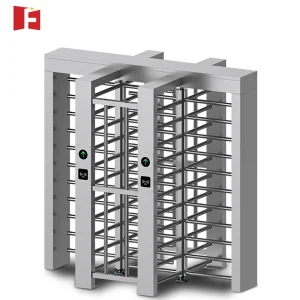
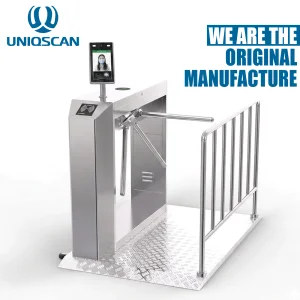
  • Seismic Mitigation (耐震性): As Tokyo sits on major tectonic lines, overhead rails, tracking components, and turnstile anchors must feature vibration dampening and safety drop-arrest systems.
Dongguan Gerald Doors Co., Ltd.

Global Manufacturing Excellence, Tailored to Tokyo’s Rigorous Demands

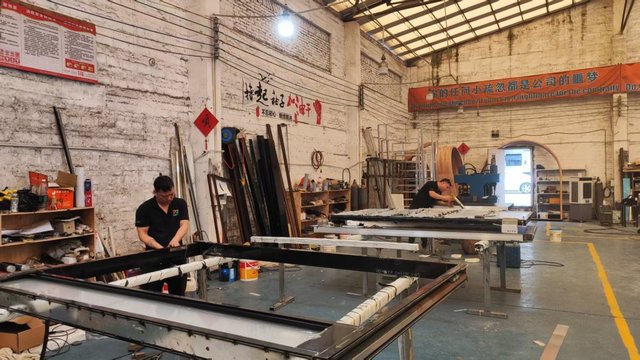
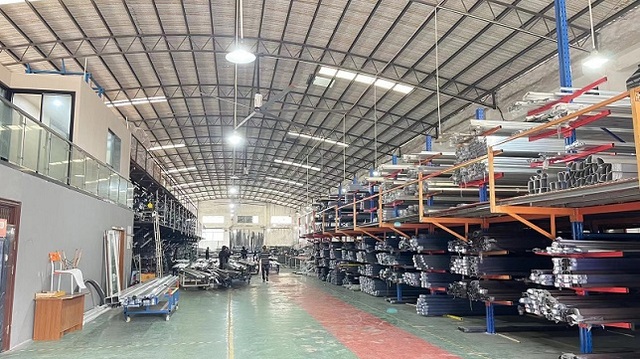
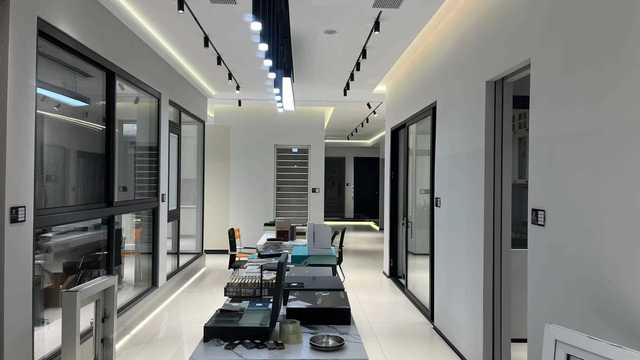
Dongguan Gerald Doors Co., Ltd. is a leading China garage door manufacturer specializing in residential, commercial, and industrial door solutions for customers worldwide. With a strong focus on quality, innovation, and reliability, Gerald Doors provides a comprehensive range of entrance and access systems designed to meet the needs of modern buildings, warehouses, logistics centers, factories, and residential properties.

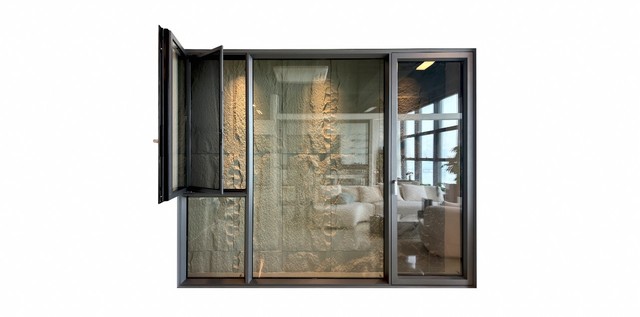
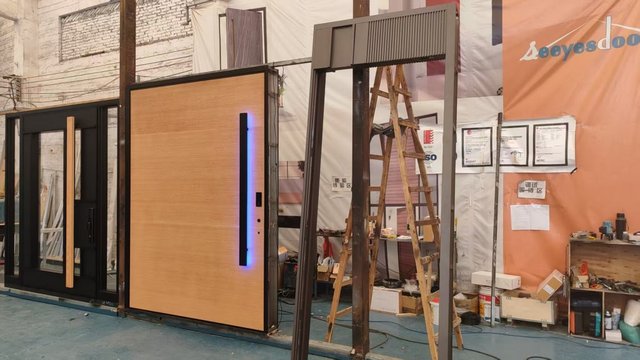
Our product portfolio includes residential garage doors, commercial garage doors, industrial overhead doors, sectional doors, roller shutter doors, high-speed doors, fire-rated doors, security doors, and customized access solutions. Engineered with premium materials and advanced manufacturing technologies, our products are designed to deliver superior durability, safety, energy efficiency, and long-term performance in diverse operating environments.

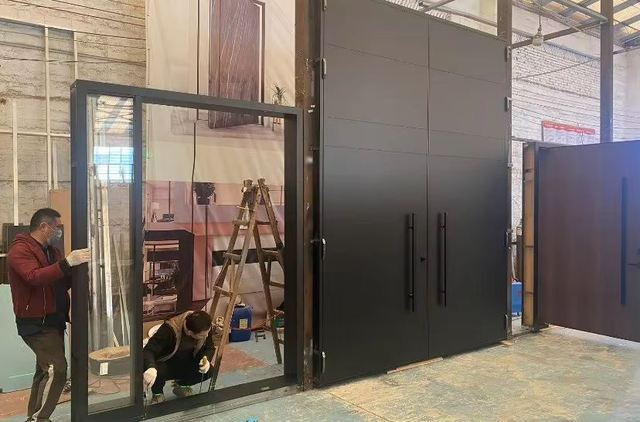
At Gerald Doors, we understand that every project has unique requirements. Our experienced engineering and production teams work closely with customers to develop tailored solutions that match specific dimensions, operational needs, architectural styles, and performance standards. From design and manufacturing to quality control and delivery, we maintain strict production processes to ensure consistent product excellence.

Serving clients across North America, Europe, the Middle East, Southeast Asia, and other global markets, Gerald Doors has built a reputation for dependable products, responsive customer service, and competitive manufacturing capabilities. We continuously invest in research and development to improve product functionality, automation technologies, and smart access solutions that support the evolving demands of residential and industrial applications.

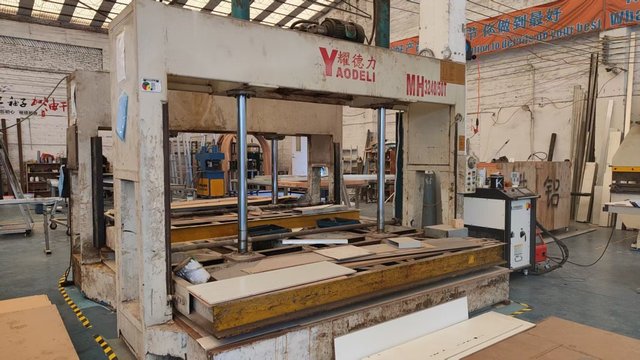
By leveraging our production hub in Dongguan alongside streamlined export pipelines directly to the Port of Tokyo and Port of Yokohama, we offer Japanese logistics providers an optimal balance of cost-efficiency, precision engineering, and rapid custom turnaround. We cooperate with local installation partners in Japan to ensure that every structural barrier, thermal rolling door, and automated turnstile conforms strictly to municipal construction guidelines.

Industrial Access Trends & Local Tokyo Deployments

Examining how high-speed isolation and digital security tracking interface within Japan's complex supply chains.

E-Commerce Micro-Fulfillment & Cold Chain Integrity

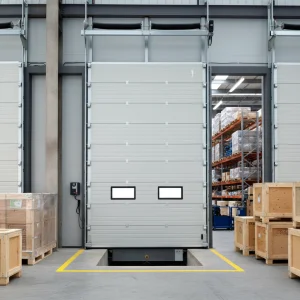
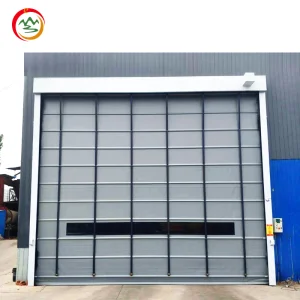
Modern distribution hubs along Tokyo Bay handle vast amounts of temperature-sensitive seafood, medical supplies, and perishable consumer goods. In these facilities, maintaining thermal isolation is paramount. Utilizing Automatic Fast Rolling Shutter Doors featuring high-speed PVC curtains and photoelectric activation allows forklift operators to transition between temperature zones without compromising the climate profile. Our specialized cold storage variants, engineered with anti-condensation thermal layers and rapid heating cables, prevent frost buildup on magnetic locks and structural tracks, ensuring non-stop operations in high-throughput zones.

RFID-Enabled Dynamic Access & Real-Time WMS Synchronization

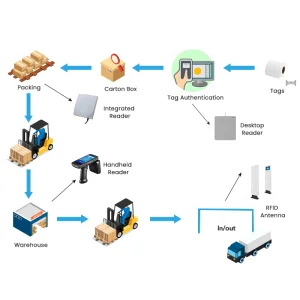
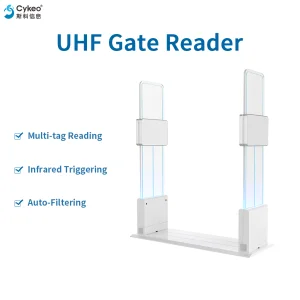
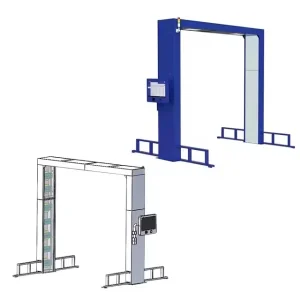
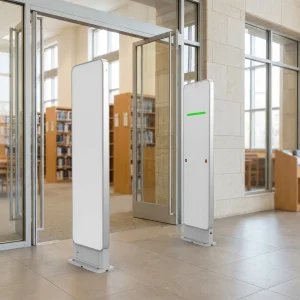
To maintain zero-error fulfillment rates, top-tier logistics hubs in Tokyo integrate UHF RFID portals directly into their inbound and outbound docks. This design registers high-volume pallet data instantaneously as cargo passes through 920-925MHz active read zones, updating the facility's Warehouse Management System (WMS) without manual intervention. By mounting high-gain directional antennas to our heavy-duty industrial door tracks, we provide a unified access-and-scanning node that reduces turnaround cycles and protects the warehouse perimeter from unauthorized entry.

Tokyo Industrial Access Catalog

A comprehensive portfolio of physical entryways, perimeter barriers, and telemetry hardware optimized for Japan's high-tech warehousing standards.

Technical Q&A: Warehouse Access Deployments in Japan

In-depth responses to technical queries, compliance matters, and local engineering requirements for importing access systems to Tokyo.

Q1: How do Gerald Doors' high-speed shutter systems perform under Tokyo's wind load requirements?

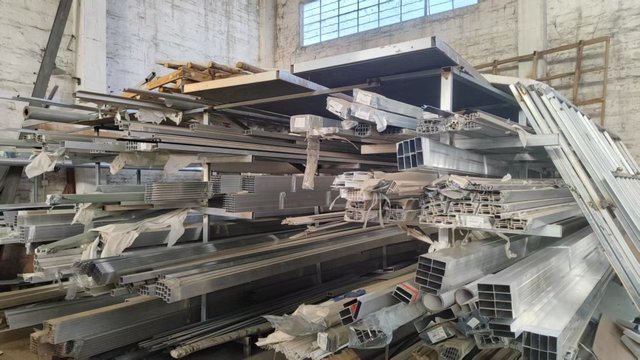
Our industrial shutter doors are built using high-tensile 6063-T5 aluminum profiles and reinforced PVC curtains, specifically engineered to withstand heavy wind forces. For installations located around Tokyo Bay and typhoon-prone industrial corridors, we offer windbar reinforcements that comply with JIS wind-pressure resistance thresholds. These elements ensure the door remains secure within its guide rails under extreme atmospheric loads.

Q2: Are the UHF RFID readers and gates certified for use under the Japan Radio Law (電波法)?

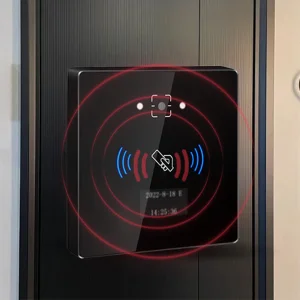
Yes. Our UHF RFID access gates and channel portals are configured to operate within the 920-925 MHz frequency range, which is the legal band designated for passive and active tags in Japan. The hardware uses TELEC-compatible chipsets and RF power regulators, ensuring seamless integration into Tokyo warehouses without interfering with local mobile networks or violating public communication regulations.

Q3: How are fire-rated doors integrated with municipal fire alarm systems in Tokyo?

Our fire-rated and side-opening doors feature specialized electromagnetic releases and control boards designed to interface directly with local Japanese fire control loops. Upon receiving a 24V signal from the central fire panel or local smoke detectors, the doors close automatically via gravitational mechanical mechanisms or backup battery systems, meeting the strict compartmentation requirements defined under Article 8-2 of the Japan Fire Service Act.

Q4: What seismic precautions are taken for heavy sectional doors and vertical storage carousels?

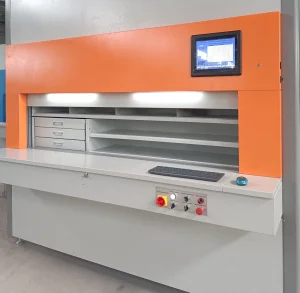
Given Tokyo's seismic vulnerability, all track profiles for sectional overhead doors include heavy-duty guide brackets to prevent derailment during tectonic activity. For our vertical carousel systems (HWH Series) and high-density ASRS racks, we use structural steel anchors designed to handle high acceleration values, securing the installation to the facility's floor plate.

Q5: Can Dongguan Gerald Doors customize access dimensions to fit space-constrained Tokyo facilities?

Customization is one of our primary capabilities. Many urban distribution centers in Koto-ku and Ota-ku feature low headroom clearance or complex structural columns. Our engineers design custom-guided side-opening doors, compact vertical carousels, and low-headroom overhead tracks to maximize clear door openings while working within tight architectural boundaries.