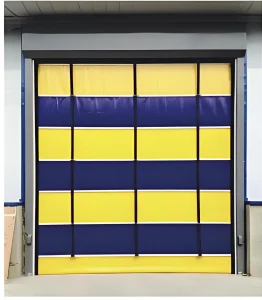
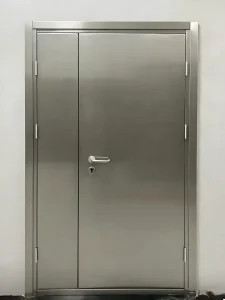
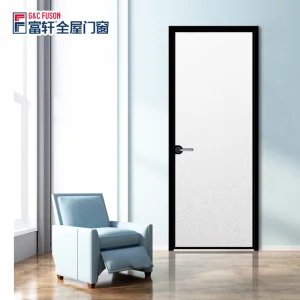
Examine our top-tier architectural systems configured for durability, high-cycle environments, and heavy thermal control.
In modern industrial facilities, heavy aerospace hangars, shipbuilding facilities, and logistics terminals, access systems represent a critical engineering link. Far beyond a simple barrier, a hangar access solution must withstand extreme environmental loading, meet rigid safety compliance, support fast cycle times, and prevent energy leakage. As global aviation and heavy shipping undergo significant transformations, selecting a CE Certified Hangar Access Solution has transitioned from a structural choice to a core strategic asset.
Across the Americas, Europe, the Middle East, and Asia-Pacific, the demands placed on hangar and industrial infrastructure have intensified. The emergence of wide-body aircraft, heavy logistics yards, and rapid response civil defense structures requires massive access points—often exceeding widths of 30 meters and heights of 20 meters. Standard roller shutters and commercial overhead doors fail under the extreme dynamic wind loads and structural load calculations of these vast openings.
Globally, project planners prioritize thermal resistance, high wind load capacity (conforming to EN 12424 standards), and system longevity. Operators of modern hangars require specialized vertical fabric doors, sliding megadoors, or steel folding systems designed to minimize mechanical failure, limit building structural strain, and facilitate uninterrupted workflow. Compliance with the European Union's CE Directive (including EN 13241-1) is now a mandatory standard, validating that the design is proof against mechanical failures, drop risks, and wind shear forces.
The CE Mark is not merely a label; it represents rigorous structural validation. It indicates that the hangar door system has been evaluated for key performance requirements:
Dongguan Gerald Doors Co., Ltd. demonstrates how localized material sourcing, advanced robotics, and structural logistics combine to offer premium access solutions globally.
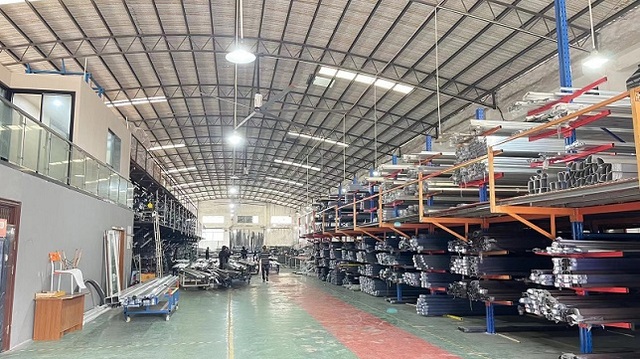
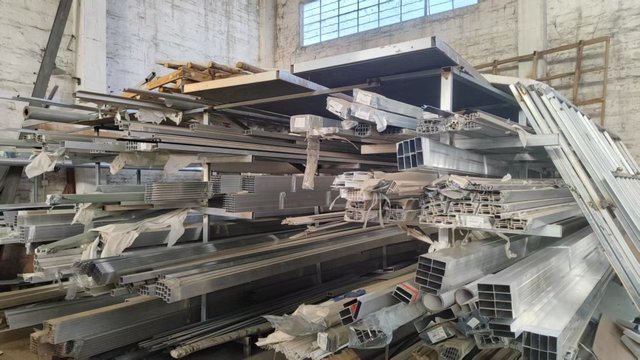
We source heavy structural steel and high-tensile aluminum panels directly from local industrial mills. Our end-to-end processing reduces transport delays and keeps costs competitive without compromising material grade.
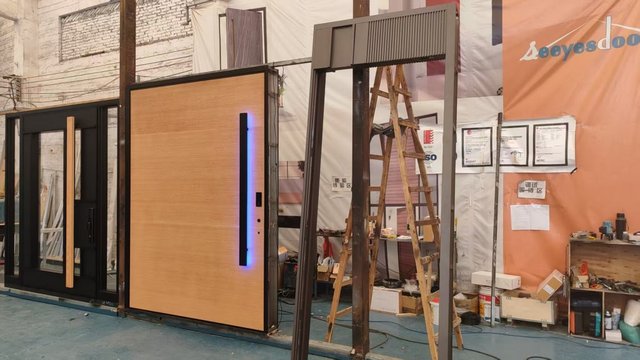
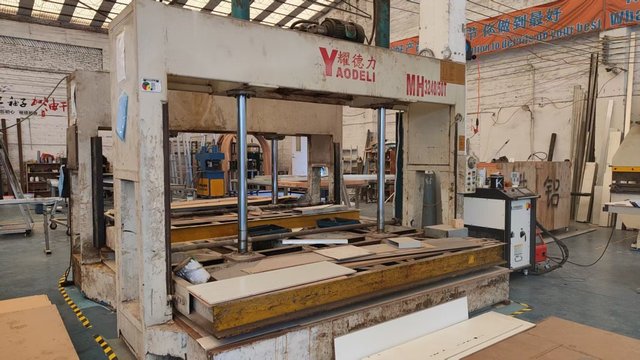
Using automatic welding rigs, precision profiling machines, and automated laser cutters, we fabricate tolerances to sub-millimeter scales. This ensures seamless onsite panel integration and reliable weatherproofing seals.
Our location in Dongguan provides proximity to main deepwater shipping ports (Shenzhen, Guangzhou, Hong Kong). This optimizes transit times and streamlines the shipping of massive, heavy industrial components globally.
Our access systems are engineered to perform across diverse industrial environments. Review our standard metrics below.
| Application Environment | Door Type Recommendation | Wind Load Class | Key Feature | Certifications |
|---|---|---|---|---|
| Coastal Aviation Hangars | Vertical Fabric Lifting Door / Megadoor | Class 4 - 5 (Up to 1.6 kPa) | High corrosion resistance, double-walled PVDF fabric | CE, ISO 9001 |
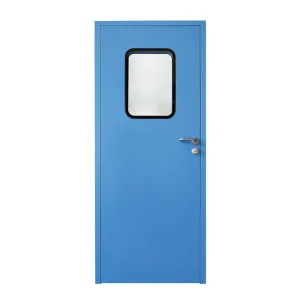
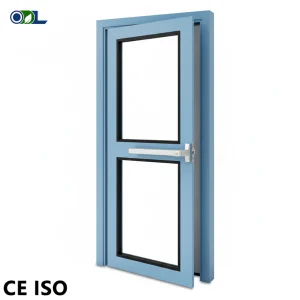
| Pharmaceutical & Cleanrooms | Aluminium Frame Clean Room Door | Class 1 - 2 | Hermetic airtightness, antibacterial finish | GMP Standard compliant |
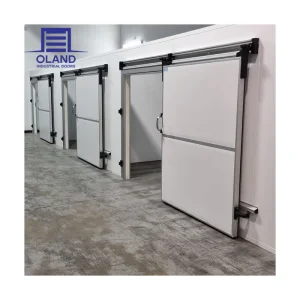
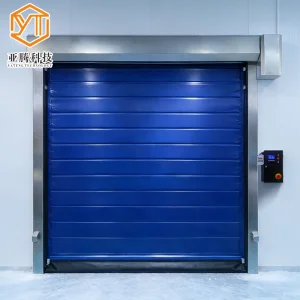
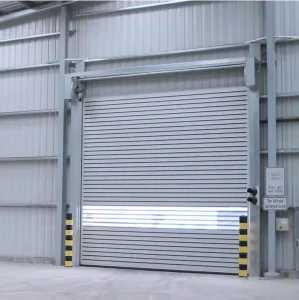
| Cold Storage / Logistics | Automatic Zipper Fast Door / Freezer Door | Class 2 - 3 | Thermal break panel, self-repairing tracks | CE, RoHS |
| Heavy Industry & Manufacturing | Sectional Steel Overheads | Class 3 - 4 | Double-skinned PU insulation panel | CE (EN 13241-1) |
In high-latitude regions, such as Scandinavian cargo bays or Northern Canadian logistics yards, thermal insulation is critical. Sourcing sectional panels with thermal separation layers ensures minimal heat loss. Conversely, in the Middle East and coastal Southeast Asia, hangar gates must resist sandstorms, high relative humidity, and wind load demands. Gerald Doors supplies components treated with anti-oxidation powder coatings, high-grade PVDF fabrics, and reinforced guide rails to ensure continuous operation under harsh conditions.
Leading China garage door manufacturer specializing in residential, commercial, and industrial door solutions for customers worldwide.
Dongguan Gerald Doors Co., Ltd. specializes in residential, commercial, and industrial door solutions for customers worldwide. With a strong focus on quality, innovation, and reliability, Gerald Doors provides a comprehensive range of entrance and access systems designed to meet the needs of modern buildings, warehouses, logistics centers, factories, and residential properties.
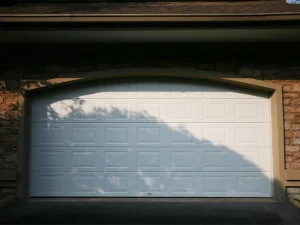
Our product portfolio includes residential garage doors, commercial garage doors, industrial overhead doors, sectional doors, roller shutter doors, high-speed doors, fire-rated doors, security doors, and customized access solutions. Engineered with premium materials and advanced manufacturing technologies, our products are designed to deliver superior durability, safety, energy efficiency, and long-term performance in diverse operating environments.
At Gerald Doors, we understand that every project has unique requirements. Our experienced engineering and production teams work closely with customers to develop tailored solutions that match specific dimensions, operational needs, architectural styles, and performance standards. From design and manufacturing to quality control and delivery, we maintain strict production processes to ensure consistent product excellence.
Serving clients across North America, Europe, the Middle East, Southeast Asia, and other global markets, Gerald Doors has built a reputation for dependable products, responsive customer service, and competitive manufacturing capabilities. We continuously invest in research and development to improve product functionality, automation technologies, and smart access solutions that support the evolving demands of residential and industrial applications.
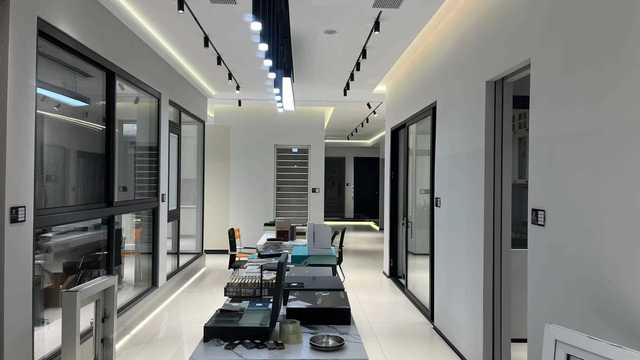
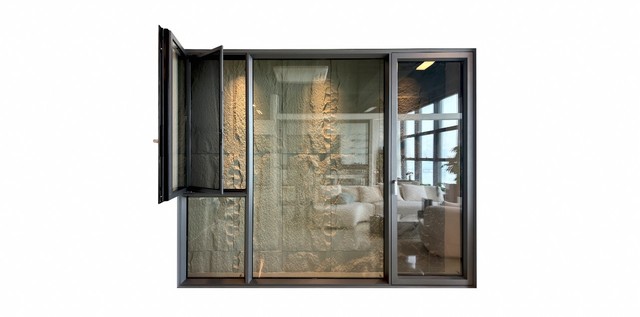
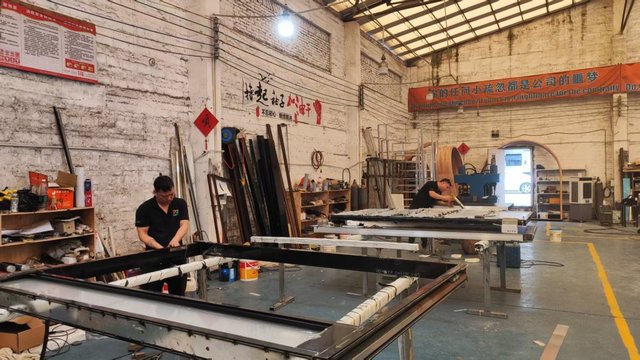
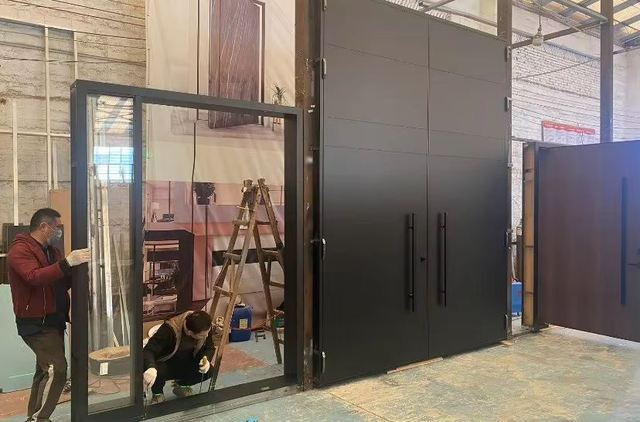
Procuring large-scale industrial access infrastructure requires aligning engineering requirements, delivery timelines, and budget targets. Enterprise procurement officers should evaluate the following criteria:
Industry research points to a clear trend: access systems are integrating closer with logistics workflows. High-speed, self-repairing doors reduce transit cycle times, maintaining internal microclimates and cutting energy use in temperature-controlled warehouses. In the aviation sector, modular hangar curtains with integrated solar-reflective skins and fiber-optic wind load sensors are being deployed to monitor structural health in real-time. Gerald Doors invests in these automated capabilities to support intelligent residential, commercial, and industrial facilities globally.
Find technical clarifications regarding wind loads, customization, shipping options, and compliance standards below.
We calculate wind loads based on EN 12424 standards, accounting for local meteorological data, coastal wind profiles, and building height. Using FEM analysis, we engineer steel reinforcement trusses and vertical supports to withstand wind pressures of Class 4 or Class 5, which helps prevent structural deformation.
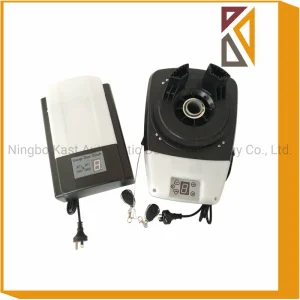
Our industrial systems feature safety-edge sensors that stop operation upon contact, anti-drop brake valves, dual cable suspension setups, and flashing warning lights. Motor drives are also equipped with manual bypass hand chains for operation during power failures.
Yes. We collaborate with project consultants, architects, and main contractors. We design and manufacture access systems tailored to custom sizes, integration constraints, security requirements, and local thermal insulation properties.
We pack oversized doors and tracks in reinforced wooden crates to secure them during transit. Standard containers are used for sectional panels, while megadoor systems are shipped as modular structures. Our proximity to the Shenzhen port enables efficient logistics management.
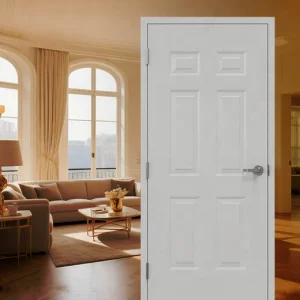
Further architectural, fire-rated, high-speed, and residential access systems designed for global export.
 Gerald Doors